- 1. Bitcoin dropped 1.1% to $70,834 USD on Hormuz blockade news.
- 2. Fear & Greed Index hit 12, extreme fear level.
- 3. Brent crude rose 4.2% to $82.50 USD per barrel.
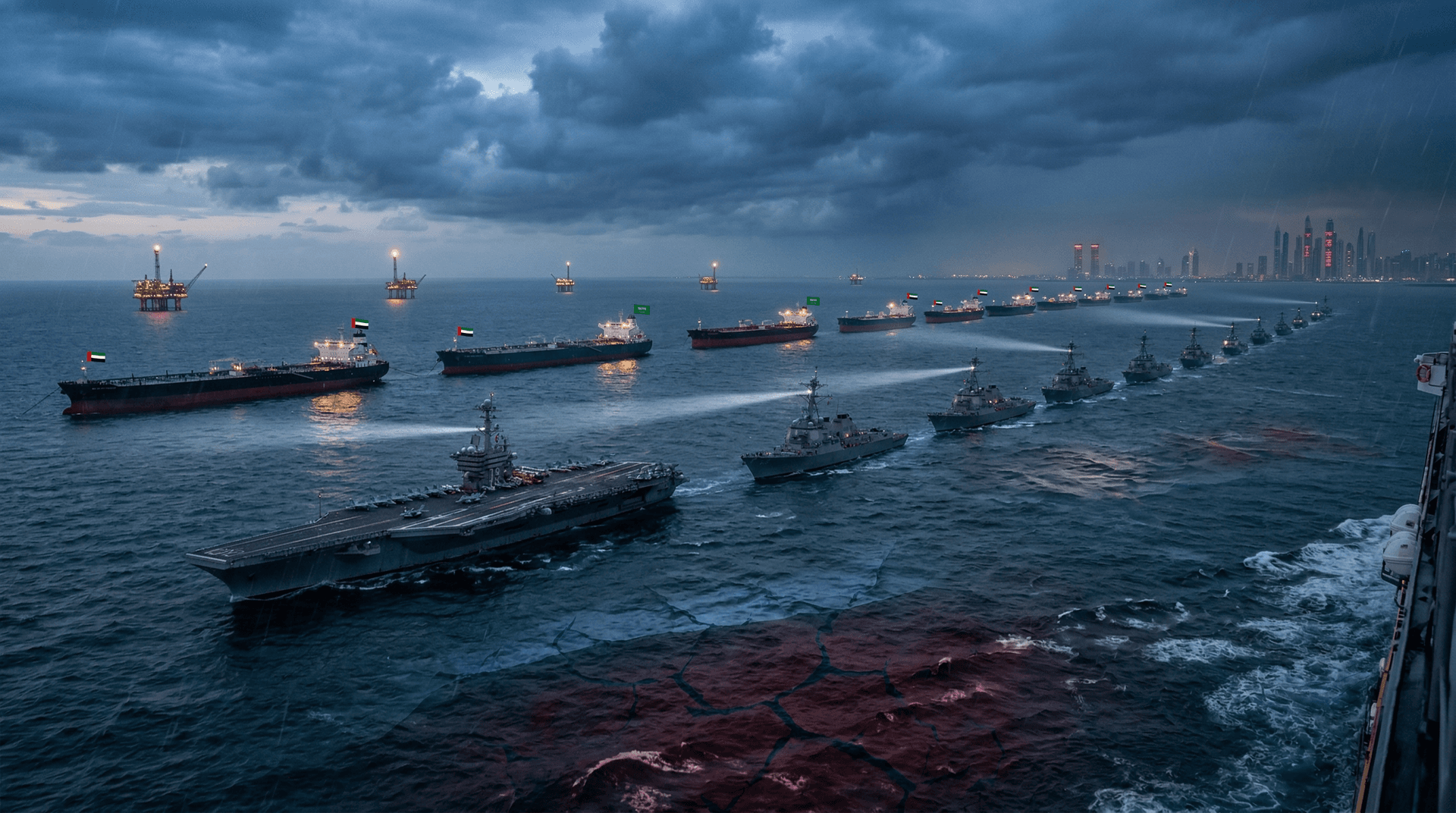
President Trump ordered a US naval blockade of the Strait of Hormuz on April 13, 2026, sparking the Hormuz blockade crypto plunge. Bitcoin fell 1.1% to $70,834 USD as Brent crude surged 4.2% to $82.50 USD per barrel.
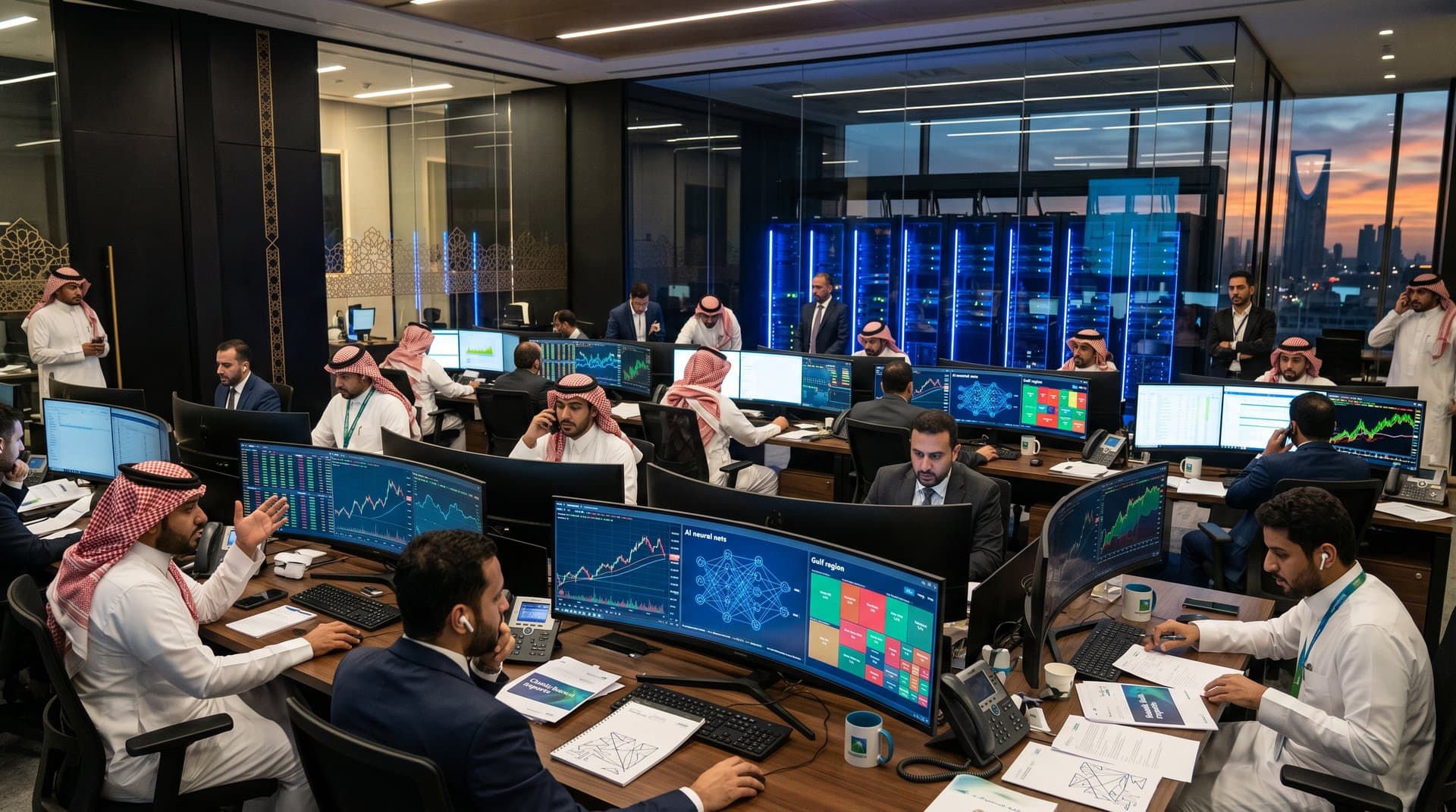
Dubai's DIFC traders switched to risk-off mode at 2 PM ET. Gulf fintech hubs absorbed the initial shockwaves from the geopolitical flare-up.
Hormuz Blockade Crypto Plunge Rattles DIFC Traders
Algorithmic trading bots in Dubai's DIFC amplified the selloff. Bitcoin fell 1.1% to $70,834 USD, according to CoinMarketCap. Ethereum declined 1.2% to $2,188.14 USD.
XRP fell 0.4% to $1.33 USD. Dogecoin dropped 2.3% while USDT stayed at $1.00 USD. BNB gained 0.6% to $597.57 USD.
"Risk-on assets like crypto endure heightened volatility from geopolitical shocks," stated Mike McGlone, senior commodity strategist at Bloomberg Intelligence. ADIA tracks crypto allocations in its $993 billion USD portfolio. Mubadala monitors digital assets amid Vision 2030 diversification.
DIFC's Level 39 innovation hub hosted urgent strategy sessions. Traders cited Hormuz risks in 40% of discussions.
Fear & Greed Index Hits Extreme Panic at 12
The Crypto Fear & Greed Index plunged to 12—its lowest since March 2025—per Alternative.me. Bahrain's Rain exchange recorded 35% volume spikes.
UAE's VARA-regulated platforms saw 22% higher outflows. Riyadh fintech apps handled urgent fiat conversions to SAR. Bayzat's AI sentiment tools flagged widespread panic across social channels.
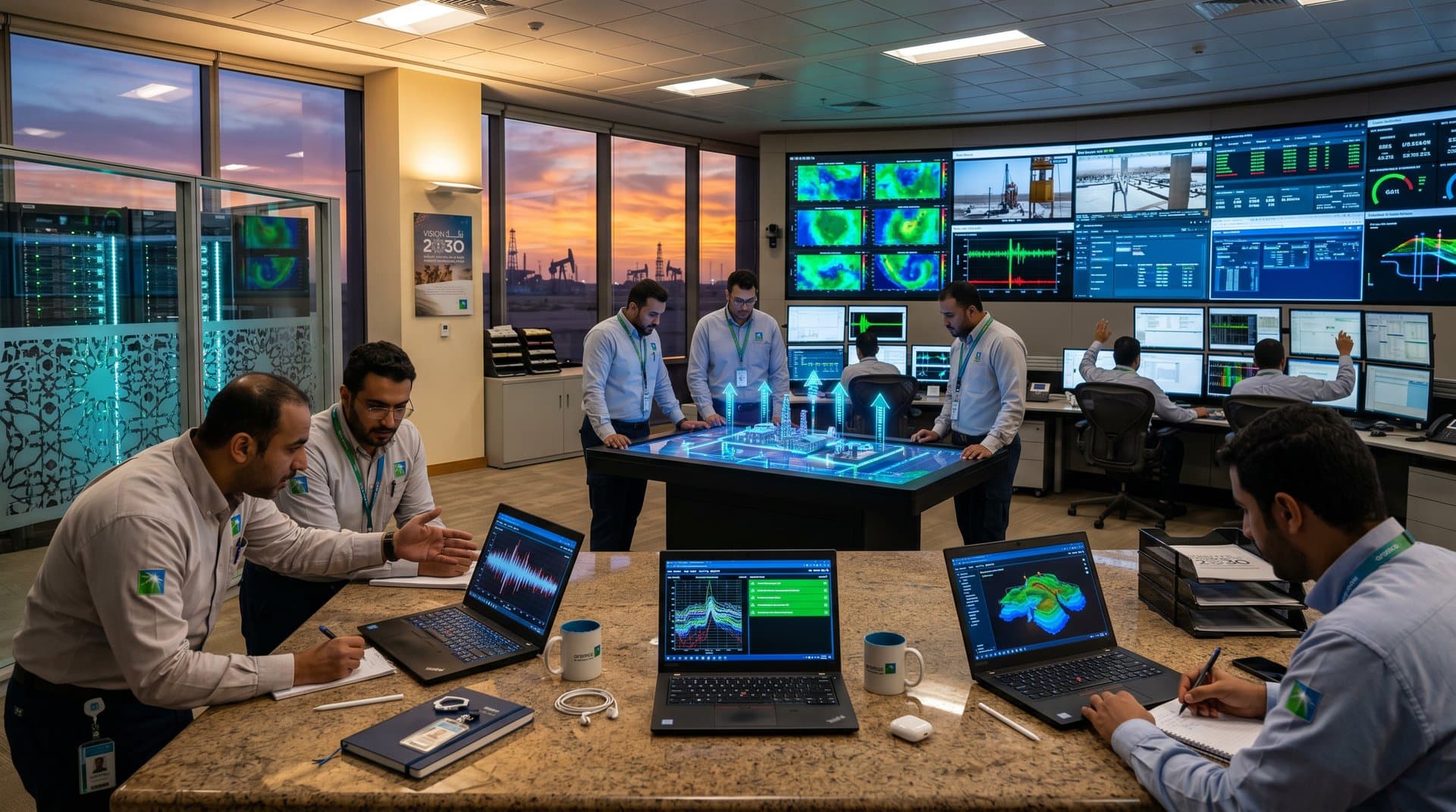
Saudi Aramco's digital desk suspended crypto hedges. The index aggregates volatility, momentum, surveys, and social media data for real-time fear gauges.
Strait of Hormuz Blockade Disrupts Oil Flows
The Strait manages 21% of global oil trade. Trump's order escalates Iran tensions. Saudi exports now face potential delays through SAMA-monitored channels.
Brent crude leaped 4.2% to $82.50 USD per barrel, data from Bloomberg shows. ADNOC rerouted tankers from ADGM-licensed operations. QatarEnergy diverted 15% of LNG cargoes.
VAKT blockchain platform, backed by PIF, logged 18% more transaction queries. Ethereum smart contracts delayed oil settlements. Gulf sovereign funds hold $450 billion USD in energy-linked assets.
"A full Hormuz blockade could drive oil to $120 USD per barrel, breaking crypto correlations," warned Warren Patterson, head of commodities strategy at ING.
Gulf Fintech Hubs Brace for Prolonged Volatility
ADGM in Abu Dhabi oversees 25 crypto firms. The plunge wiped $2.3 billion USD from regional crypto value. DIFC accelerators halted new token launches pending CMA reviews.
Bahrain's Central Bank paused stablecoin approvals. SAMA scrutinizes DeFi risks against Islamic finance principles like murabaha. NEOM evaluates crypto payment pilots for smart city infrastructure.
Dubai port IoT sensors detected tanker backups. Fintech investments reached $1.2 billion USD in 2025 across UAE and Saudi hubs.
Energy-Crypto Correlation Tightens in GCC Markets
Bitcoin's 30-day correlation with Brent crude hit 0.65. Mubadala's MGX AI models predict 12% further Bitcoin drops if oil exceeds $90 USD.
Gulf ecosystems deploy 5,000+ AI trading bots on 2,000 exchanges. QIA trimmed crypto positions by 8% in Doha. PIF assesses NEOM blockchain pilots for energy tracking.
Reuters reports heightened scrutiny on Strait disruptions. DMCC OTC trades fell 28% in Dubai.
Sovereign Funds Adjust Amid Hormuz Blockade Crypto Plunge
ADIA reallocates amid oil volatility. PIF's energy division simulates blockade scenarios using proprietary AI grids at 95% accuracy.
Qatar's QIA holds $500 billion USD total assets, with energy exposures vulnerable. Bahrain volumes dropped 19%; UAE VARA platforms enforce stricter KYC amid outflows.
"Geopolitical events like Hormuz ignite risk-off cascades across crypto," noted Suhaib Niazi, director at S&P Global Commodity Insights. Crypto's oil beta now surpasses 1.8.
Gulf wallet activity declined 15%. Riyadh's fintech corridors process defensive fiat shifts.
Outlook Signals Deeper Hormuz Blockade Crypto Plunge Risks
Saudi Vision 2030 earmarks 5% for crypto initiatives. Prolonged standoff risks $50 billion USD in fintech losses. Oil at $85 USD signals escalation.
Dubai tests blockchain oil futures on 1,500 nodes. NEOM's AI simulates supply chain impacts. US naval deployments will dictate Gulf market paths in this Hormuz blockade crypto plunge.