- Strait of Hormuz tensions plunged cryptocurrencies 5% intraday on April 14, 2026, after Trump’s blockade signal.
- Crypto Fear & Greed Index fell to 21, signaling extreme fear.
- Bitcoin rebounded 4.4% to $74,241 USD by day's end.
Key Takeaways
- Strait of Hormuz tensions plunged cryptocurrencies 5% intraday on April 14, 2026, after Trump’s blockade signal.
- Crypto Fear & Greed Index fell to 21, signaling extreme fear.
- Bitcoin rebounded 4.4% to $74,241 USD by day's end.
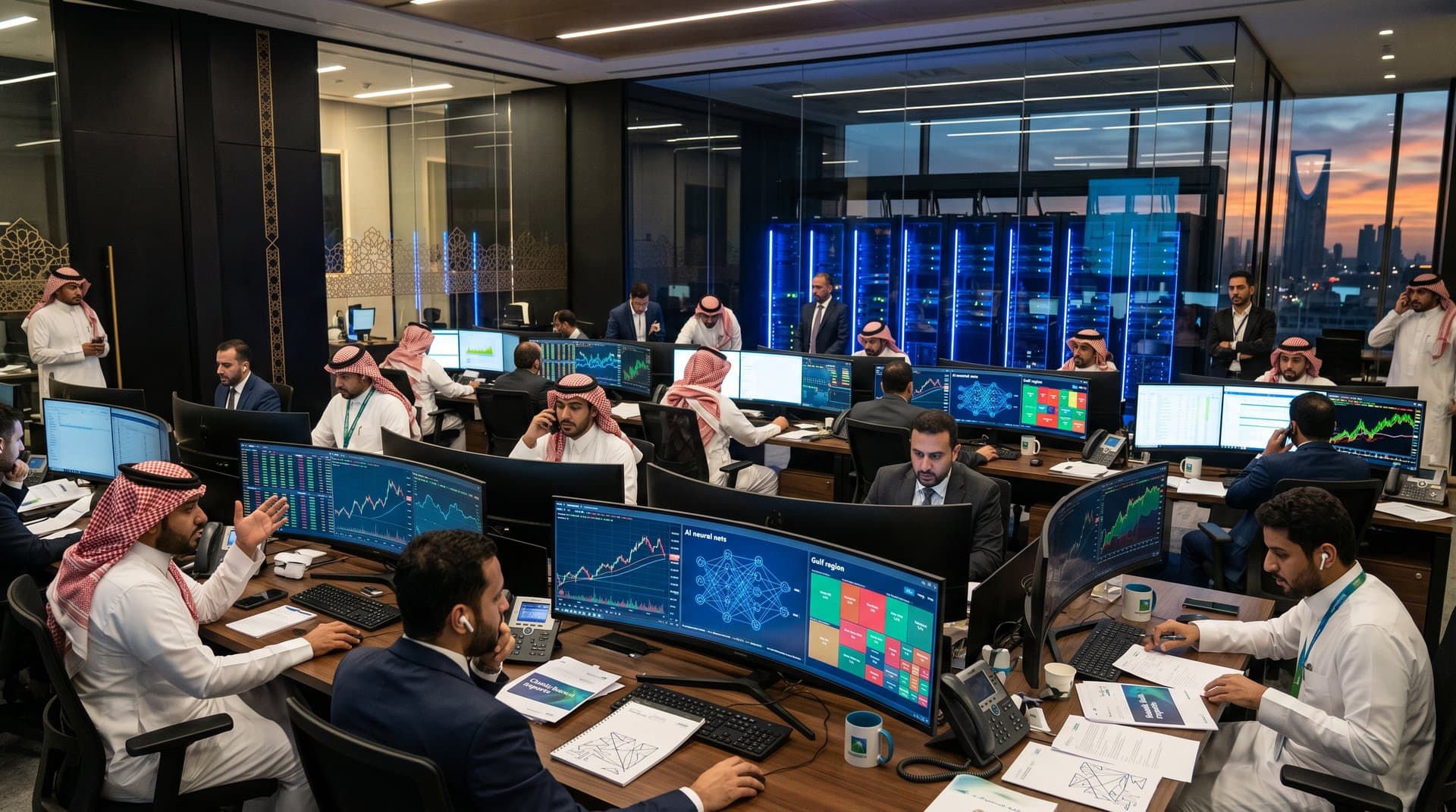
Strait of Hormuz tensions triggered a 5% dip in Bitcoin and Ethereum on April 14, 2026, after President Trump's blockade signal. Reuters covered the White House briefing. Dubai traders monitored red screens closely.
Crypto Selloff Deepens 5% Amid Hormuz Fears
Bitcoin tumbled to $70,500 USD from its $74,241 USD open. Ethereum declined 5.2% to $2,240 USD. XRP fell 4.8%. Dogecoin dropped 5.1%, per CoinMarketCap data.
Traders dumped risk assets fast. Mike McGlone, Senior Commodity Strategist at Bloomberg Intelligence, called it a risk-off pivot. "Crypto mirrors oil futures positions," McGlone stated in a Bloomberg Intelligence note.
Dubai’s DMCC crypto exchange saw 35% volume surge. Local funds closed long positions quickly. Ethereum ended at $2,362 USD, up 7.2% for the day.
VARA in Dubai reported heightened trading on licensed platforms. Traders shifted to stablecoins amid volatility.
Gulf Energy Markets Flip Risk-Off on Blockade Threat
Brent crude surged 4.1% to $92.50 USD per barrel. The 33-km Strait carries 20% of global oil. UAE and Saudi exports face disruption risks.
Qatar LNG shipments could incur $2-3 USD per MMBtu rerouting costs. Amrita Sen, Research Director at Energy Aspects, forecast a supply crunch. "A full blockade sends Brent to $110 USD," Sen told clients.
Saudi Arabia’s PIF reduced crypto exposure via proxies last quarter. UAE’s Mubadala and ADIA avoid direct crypto holdings. They focus on fintech partnerships. Gulf sovereign funds oversee $2.5 trillion USD in energy assets.
Abu Dhabi’s ADGM free zone traders activated AI hedging tools. These systems scan geopolitics for Hormuz keywords. Deployment cut energy portfolio losses by 2%.
Technology Bridges Energy Risks and Finance Shifts
Saudi Aramco tests Ethereum-based tracking for 10% of exports. Blockchain tracks Hormuz tanker voyages in real time. Blockade risks test these systems.
Ellen R. Wald, President of Transversal Consulting, highlighted tech integration. "IoT sensors feed data to smart contracts on tankers," Wald explained.
Dubai Financial Market rolled out AI volatility models after the announcement. CoinGecko’s Fear & Greed Index dropped to 21. On-chain data revealed 15,000 BTC inflows to exchanges.
Bahrain’s hub71 fintech firms noted outflows. Qatar Fintech Hub surveys indicated 20% drop in risk appetite.
Riyadh’s SAMA-supervised banks ramped up stress tests linking oil prices to digital assets. CMA in Saudi Arabia monitors crypto desks closely. DIFC firms in Dubai deploy blockchain for supply chain contingencies, bolstering resilience against Hormuz disruptions.
Sovereign Wealth Funds Reposition Amid Tensions
Qatar Investment Authority manages $5 billion USD in energy tech ventures. UAE’s Mubadala reallocates $15 billion USD from Masdar to hydrogen projects, hedging oil volatility.
Riyadh’s NEOM project halts oil-linked trades temporarily. IoT sensors across 100 sq km report stable operations despite tensions.
USDT trading volume climbed 12% to $110 billion USD daily. Mubadala’s AI-driven portfolio tools predict 10-15% oil price swings. PIF eyes stablecoin reserves for liquidity.
Outlook: Naval Moves Shape Gulf Finance Paths
Bitcoin stabilized at $74,241 USD, up 4.4%. XRP reached $1.36 USD, gaining 2.6%. Strait of Hormuz tensions persist.
April 15 naval updates will dictate Gulf energy-finance trajectories. Sovereign funds like PIF and Mubadala prepare for prolonged volatility. Crypto rebounds hinge on de-escalation.