- 1. Iran activates cryptocurrency toll system in Hormuz on April 15, 2026.
- 2. BTC drops 1% to $74,028 USD; Fear & Greed Index hits 23.
- 3. GCC sovereign funds accelerate blockchain for energy trade resilience.
Iran cryptocurrency toll system activates in Strait of Hormuz on April 15, 2026. Ships pay transit fees using approved digital assets. Gulf energy exporters face immediate disruptions to oil and LNG flows.
The system applies to oil tankers and LNG carriers passing northern approaches. Iran cites urgent revenue needs from international sanctions. Saudi Arabia, UAE, and Qatar label it an economic escalation threatening regional stability.
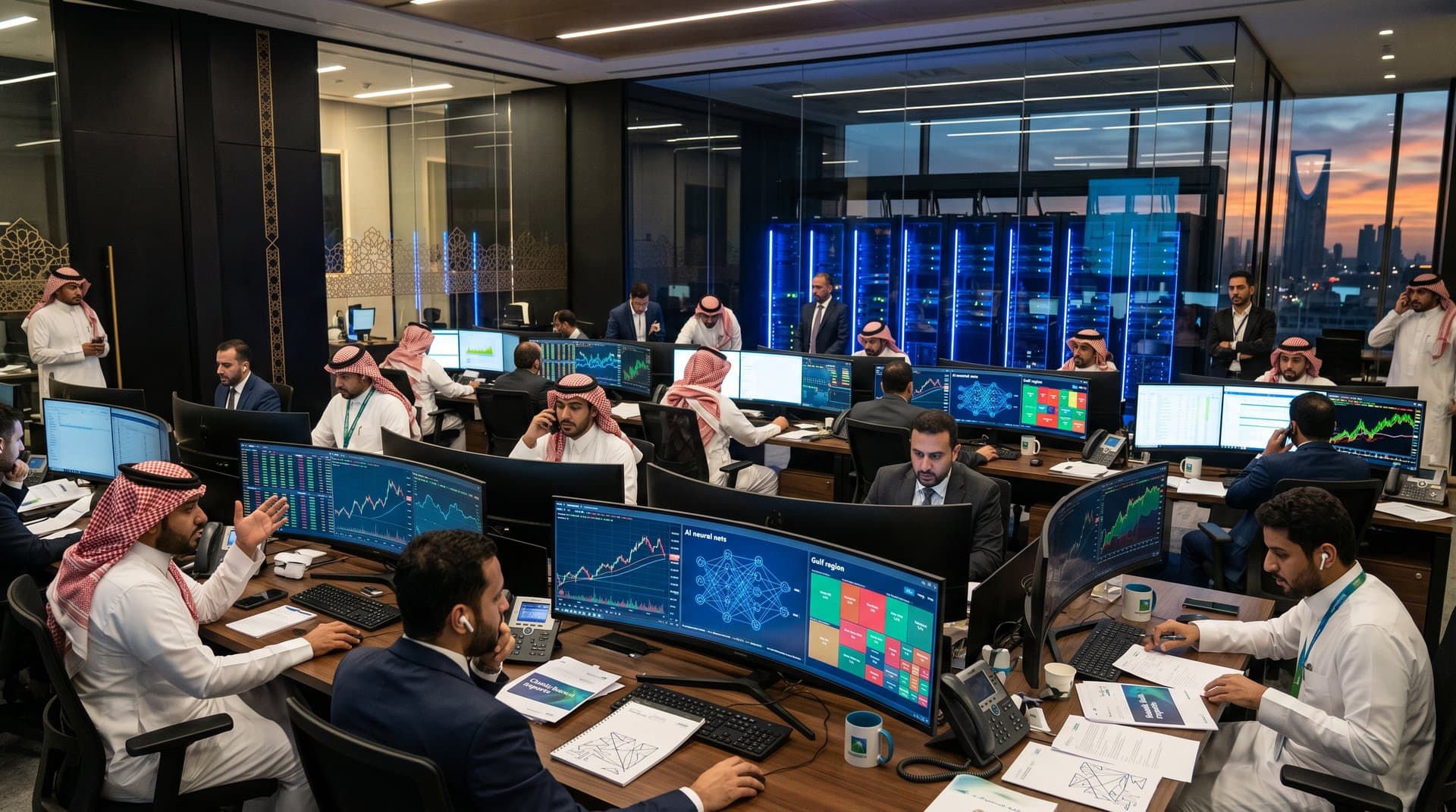
Bitcoin trades at $74,028 USD, down 1.0% on the day. Fear & Greed Index drops to 23, indicating Extreme Fear. Markets price in heightened geopolitical risks from this development.
Strait of Hormuz Carries 21% of Global Oil Flows
Per Reuters, Strait of Hormuz handles 21% of global oil trade, equivalent to 21 million barrels per day. Blockchain technology verifies all toll payments in real time.
Tankers settle fees using stablecoins like USDT at $1.00 USD. Saudi Arabia dispatches shipments from Ras Tanura terminal. UAE vessels depart Fujairah port. Qatar routes LNG cargoes from North Field expansions.
Aramco reports initial delays in scheduling. Regional shippers test wallet integrations for compliance.
Saudi Arabia Tracks Toll Impacts via Aramco
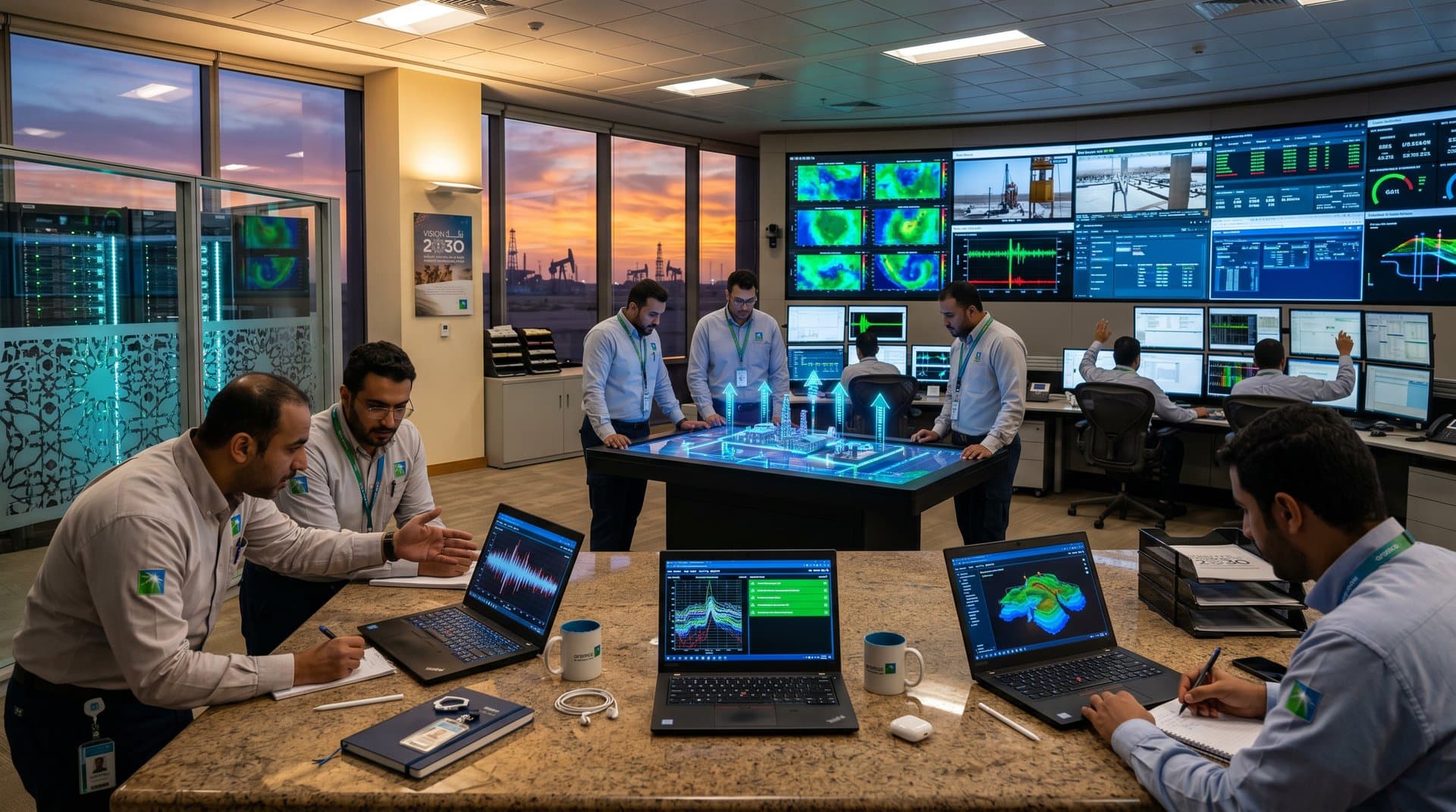
Saudi Arabia monitors cryptocurrency toll system through Saudi Aramco operations. Kingdom evaluates alternative tanker routes to minimize costs. GCC foreign ministers prepare coordinated diplomatic responses.
Vision 2030 accelerates diversification from oil revenues. Hormuz remains critical for 5.5 million barrels daily exports. OPEC+ cohesion faces tests as Iran controls vital geography.
Ethereum dips 0.2% to $2,335 USD. Smart contracts automate payment verifications and dispute resolutions.
Public Investment Fund (PIF) holds Bitcoin exposure through ETFs valued at $500 million USD.
UAE Navigates Compliance Challenges in DIFC
UAE energy exporters address new wallet and KYC requirements for toll payments. Abu Dhabi Investment Authority (ADIA) protects $993 billion USD portfolio from crypto volatility. Dubai International Financial Centre (DIFC) fintech firms develop hedging strategies.
Mubadala invests $100 million USD in crypto infrastructure startups. UAE central bank pilots digital dirham CBDC frameworks. VARA in Dubai explores stablecoin payment corridors for trade.
XRP climbs 0.6% to $1.38 USD. Ripple's technology supports efficient cross-border settlements.
QatarEnergy Assesses LNG Contract Exposure
QatarEnergy ships 77 million tonnes per annum of LNG through Hormuz. North Field expansions boost volumes to 126 million tonnes by 2027. Crypto tolls introduce forex risks into USD-denominated long-term contracts.
GCC finance ministers convene to standardize blockchain protocols. Islamic finance principles guide Sharia-compliant solutions.
BNB falls 0.3% to $618 USD. Binance Chain handles high-volume toll transactions effectively.
Qatar Investment Authority (QIA) allocates 2% of $475 billion USD assets to digital strategies.
Iran's Permissioned Blockchain Secures Toll Collections
Iran deploys permissioned blockchain networks for toll enforcement. Oracle nodes integrate AIS ship tracking data for verification. Tehran employs state-owned Bitcoin mining with subsidized power, as detailed by CoinDesk.
Gulf counterparts launch counter-initiatives. Aramco Digital pilots asset tokenization on private ledgers. Saudi Central Bank (SAMA) and UAE Central Bank advance wholesale CBDC trials.
Crypto Markets Reflect Extreme Fear at Index 23
Fear & Greed Index at 23 fuels Bitcoin's decline amid Hormuz tensions. PIF and QIA maintain Bitcoin ETF positions. Mubadala scouts DeFi yield opportunities.
OPEC tracks rising marine insurance premiums. Lloyd's of London mandates crypto collateral for high-risk routes.
Iran employs crypto channels to circumvent sanctions, per Cointelegraph.
GCC Advances Diplomatic and Tech Responses
GCC states engage Iran through Omani mediators. Toll rates scale by cargo tonnage and value. Gulf nations explore WTO dispute mechanisms.
Saudi NEOM project develops Red Sea bypass pipelines. UAE extends Habshan-Fujairah line capacity to 2 million barrels daily. Qatar invests in East Africa LNG routes.
Global Shipping Business Network (GSBN) expands blockchain trade finance tools. Jebel Ali and Khalifa ports adopt digital ledger systems.
OPEC holds output steady, signaling market stability focus.
Forward Outlook: Tanker Trials Drive Gulf Blockchain Adoption
Tankers commence system tests this week. Successful operations could normalize flows. GCC fintech hubs like ADGM and D33 lead adaptation efforts.
Cryptocurrency tolls spur regional innovation in trade finance. Upcoming GCC summit outlines unified blockchain standards and diversification strategies.