- 1. Florida judge extends $328M Orlando crypto Ponzi probe to 2027 for asset recovery.
- 2. MTI defrauded 23,000 investors via fake Bitcoin bots; US victims lost $28M.
- 3. VARA, ADGM enforce proof-of-reserves and KYC, citing MTI to protect Gulf markets.
A US federal judge in Florida's Middle District extended the probe into the $328 million Orlando crypto Ponzi scheme to January 2027. Mirror Trading International (MTI) defrauded 23,000 investors globally with fake Bitcoin trading bots. Dubai's VARA cites the case to enforce digital asset safeguards.
MTI collapsed in 2020 after promising 400% annual returns. Prosecutors chase hidden assets across borders, per court filings from October 2023.
MTI's Orlando Crypto Ponzi Tactics Exposed
MTI operators hyped proprietary algorithms that never existed, according to CoinDesk reports from October 2023. The scheme funneled new investor funds to early participants. South African founders faced US charges in Florida.
Over 260 US victims lost $28 million USD, court documents show. The 2027 extension allows forensic accountants to trace Bitcoin wallets across jurisdictions. Gulf expats in Dubai and Riyadh demand VARA licenses before trading, per VARA investor advisories.
Gulf Regulators Draw from Orlando Crypto Ponzi Fallout
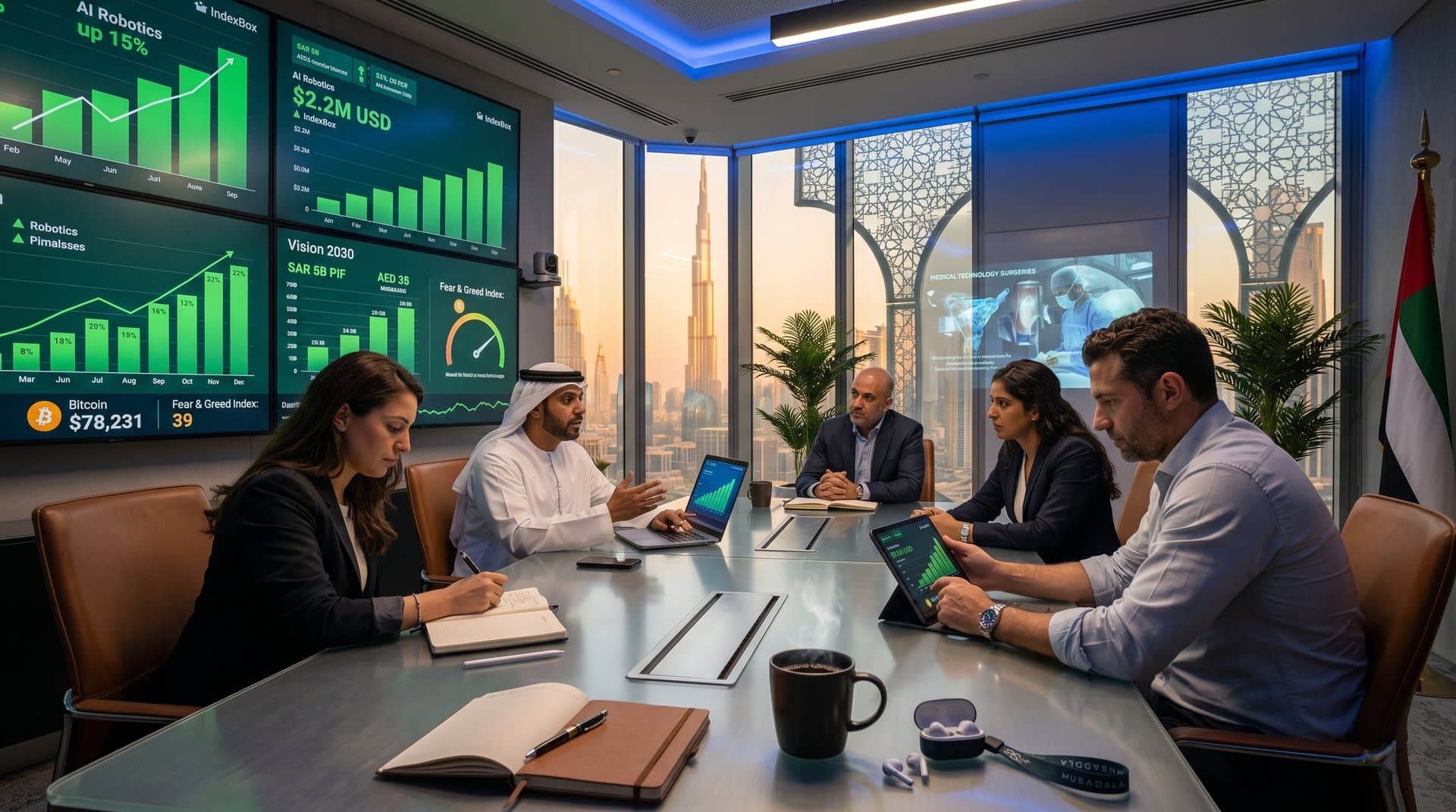
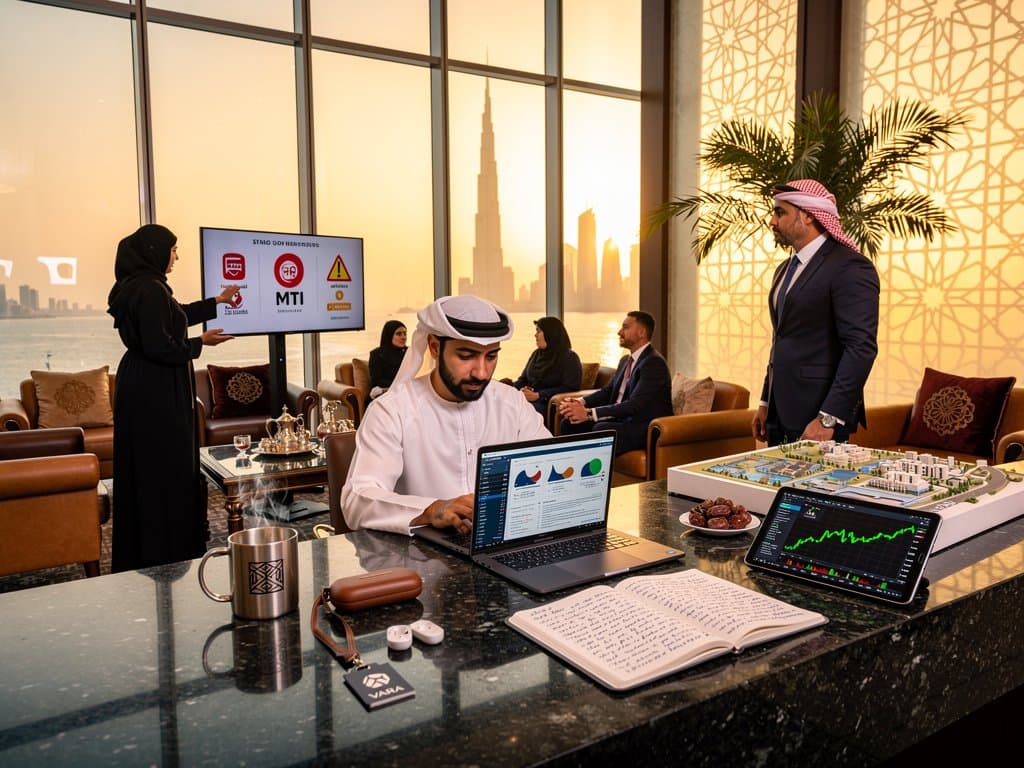
Dubai's VARA mandates proof-of-reserves for 56 licensed virtual asset service providers (VASPs), directly inspired by MTI-style frauds. Abu Dhabi's ADGM FSRA audits smart contracts in its fintech sandbox on Al Maryah Island.
Saudi Arabia's SAMA oversees 12 pilot stablecoin projects with SAR backing. Bahrain's Central Bank of Bahrain (CBB) licenses 18 custodians with multi-signature requirements. These steps counter cross-border risks highlighted in Reuters coverage of MTI from March 2024.
Sovereign Funds Navigate Digital Asset Risks
Saudi Public Investment Fund (PIF) commits $500 million USD (SAR 1.88 billion) to blockchain ventures through Prosperity7. Mubadala invests AED 2 billion in tokenized assets via ADGM frameworks. Qatar Investment Authority (QIA) backs audited platforms in Doha.
These institutions avoid unregulated yield farms promising unrealistic APYs, drawing lessons from the SEC's MTI analysis in press release 2023-245. PIF executives at Riyadh Season fintech forums reference US Ponzi precedents to guide investments.
VARA and ADGM Strengthen Oversight Post-MTI
VARA fines unlicensed platforms AED 20 million since 2023 launches. ADGM requires KYC for all on-chain transactions. UAE Central Bank integrates VARA data into national AML systems, enhancing cross-Emirate compliance.
In Saudi Arabia, CMA licenses 45 robo-advisors with crypto exposure limits of 10%. Oman Capital Market Authority pilots tokenized sukuk worth OMR 100 million. The Orlando crypto Ponzi's $328 million USD scale dwarfs local AED 50 million incidents, per VARA annual reports.
Technology Shields in Gulf Free Zones
Jebel Ali Free Zone hosts Tier IV data centers with quantum-resistant encryption for cloud wallets. Dubai Internet City firms deploy AI fraud detection mirroring US tools from Chainalysis benchmarks. Abu Dhabi Global Market tests DeFi protocols in sandboxes.
SAMA's fintech accelerator in Riyadh trains 1,200 developers on secure coding practices. Qatar FinTech Hub audits 30 startups quarterly with blockchain forensics. These innovations build resilience against Ponzi tactics like MTI's fake bots.
Global Precedents Shape GCC Crypto Rules
US rulings influence Europe's MiCA and GCC FATF compliance standards. VARA aligns with FATF Travel Rule for VASP transfers over USD 1,000. SEC patterns from MTI inform Gulf audits and licensing.
Regional trading volumes hit USD 1.2 trillion in 2024, per Chainalysis reports. Regulators target hype-driven schemes with stress tests. Upcoming VARA stress tests in Q1 2025 will gauge VASP strength amid rising volumes.
Gulf markets prioritize transparency via public portals. Investors verify VARA and ADGM licenses before engaging. The Orlando crypto Ponzi underscores vigilance as blockchain adoption accelerates across the GCC.
Frequently Asked Questions
What is the Orlando crypto Ponzi scheme?
Mirror Trading International (MTI) promised fake Bitcoin bot returns, defrauding $328M from 23,000 investors. Florida judge extended probe to 2027. VARA uses it for investor education.
How does Orlando crypto Ponzi impact Gulf investors?
VARA and ADGM enforce licensing and AML drawing from MTI. Expats check portals to mitigate cross-border DeFi risks.
What UAE protections counter crypto Ponzi schemes?
VARA requires proof-of-reserves for 56 VASPs, AED 20M fines for unlicensed ops. ADGM sandboxes audit smart contracts.
Why the 2027 extension in Orlando crypto Ponzi case?
Tracks global assets from $328M fraud. Influences SAMA, VARA, CBB oversight in GCC.