- 1. Stealth signals Iran blackout uses LoRa mesh for 250 bps citywide relays in Tehran.
- 2. Bitcoin holds $75,076 USD (+1.5%) amid Fear & Greed Index at 23 from Gulf tensions.
- 3. UAE and Saudi Arabia test mesh networks for 99.9% digital resilience.
Dubai, April 16, 2024
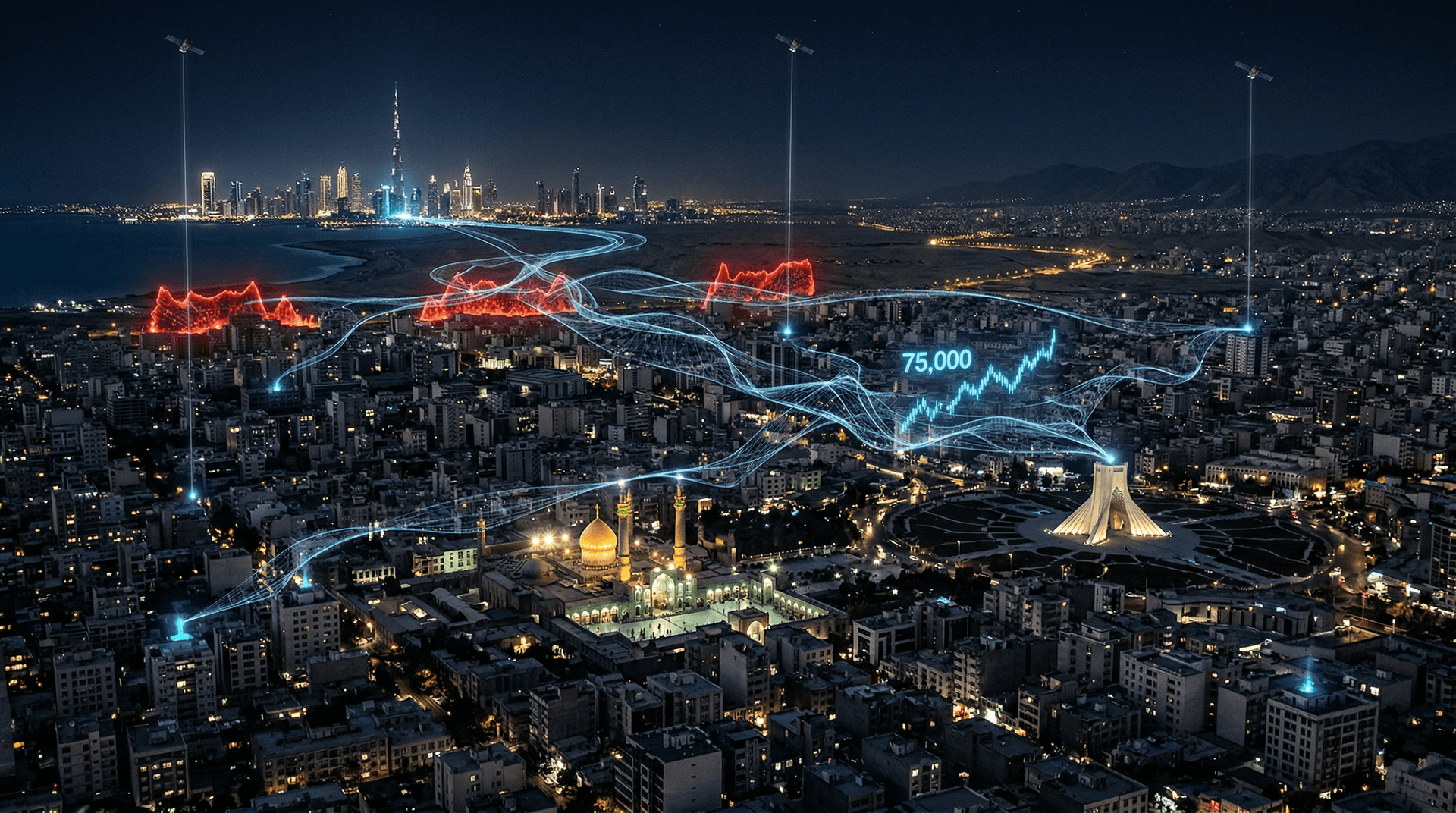
Stealth signals Iran blackout deploys low-power LoRa mesh networks across Tehran. Users exchange encrypted messages undetected by state filters. NetBlocks confirms 90% gateway throttling.
Devices use LoRa modulation for long-range transmission up to 15 km. Networks form ad-hoc chains via rooftops and balconies. Signals hop frequencies to evade jamming attempts.
Stealth Signals Iran Blackout Powers Tehran Mesh Grids
Residents install battery-powered nodes on minarets and balconies. NetBlocks data shows each node relays packets citywide at 250 bits per second. Iran throttles bandwidth amid protests.
State providers sever 90% of international gateways, per NetBlocks reports. Stealth grids support text and voice communications. Nodes apply end-to-end encryption with open-source firmware.
Communities bootstrap networks without central servers via USB distribution.
Crypto Resilience Defies Geopolitical Tensions
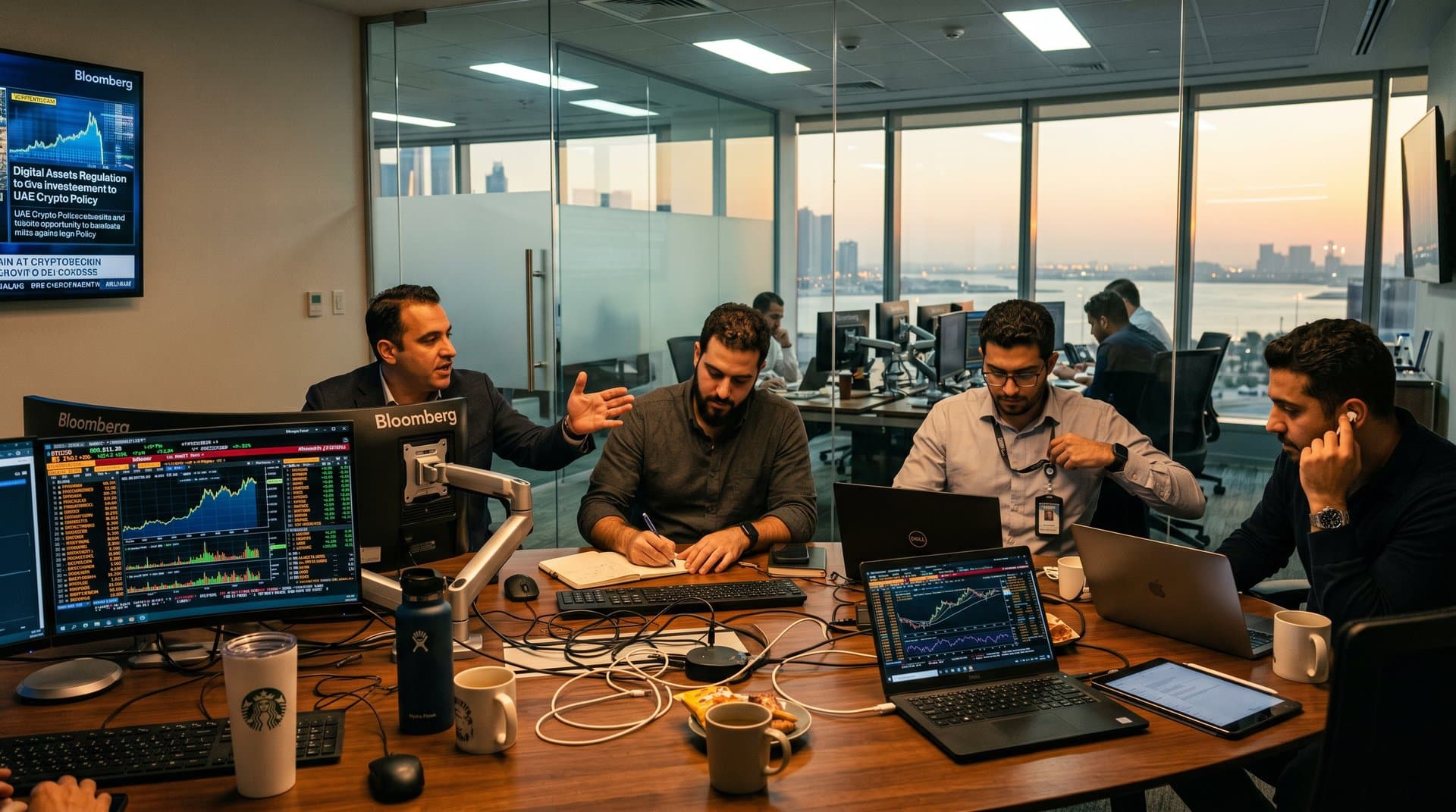
Bitcoin surges to $75,076 USD, up 1.5% today, per CoinGecko. Ethereum climbs 1.8% to $2,359 USD. XRP jumps 3.7% to $1.41 USD.
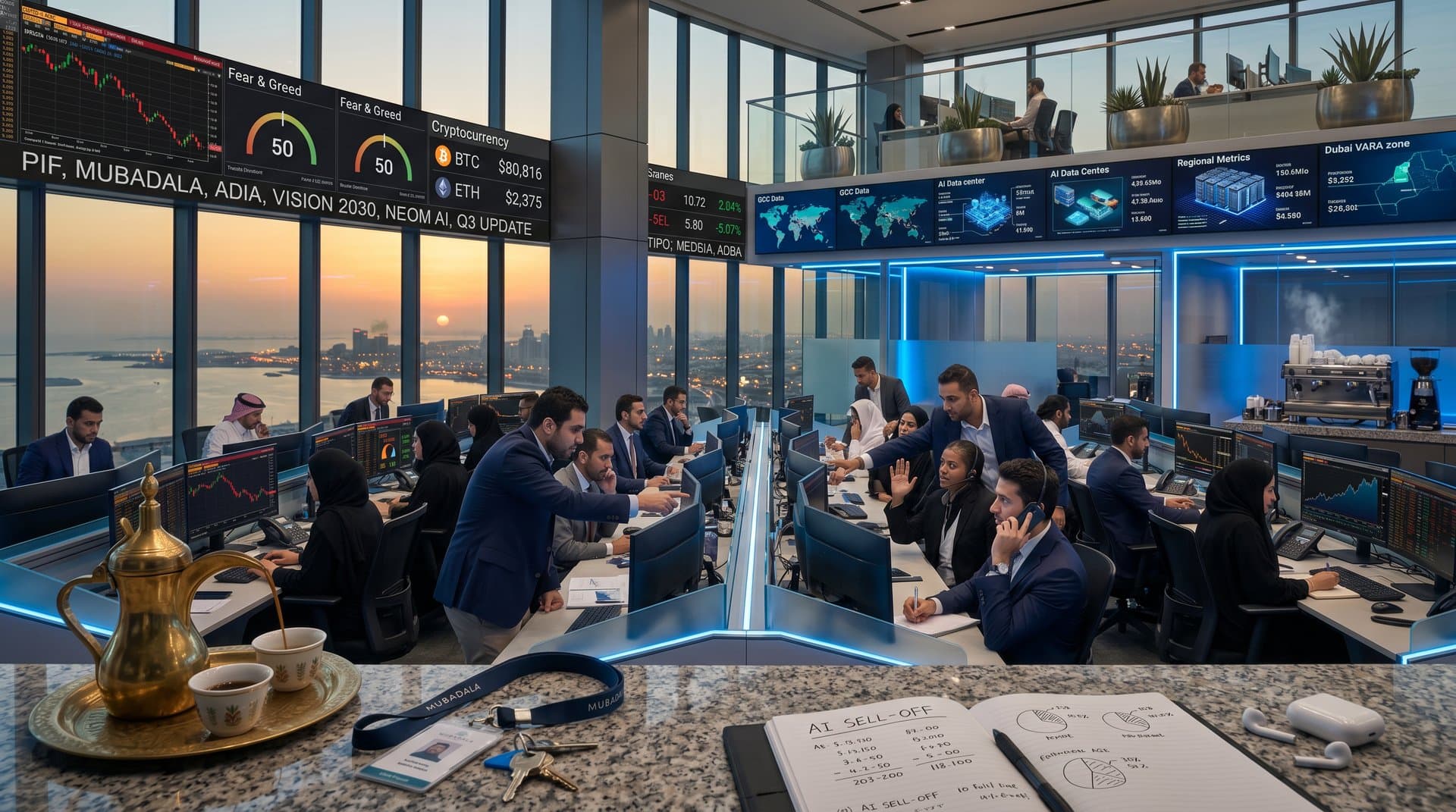
Alternative.me's Fear & Greed Index drops to 23, signaling extreme fear. Gulf tensions fuel the market dip. Traders rely on decentralized relays to bypass sanctioned banks.
Crypto nodes mirror stealth resilience. Blockchains operate offline and sync upon reconnection.
Gulf Digital Security Advances Censorship-Resistant Tech
UAE engineers test LoRa mesh in Abu Dhabi’s Masdar City free zone. Networks endure simulated outages for IoT devices. Dubai Digital Authority prototypes hybrid systems.
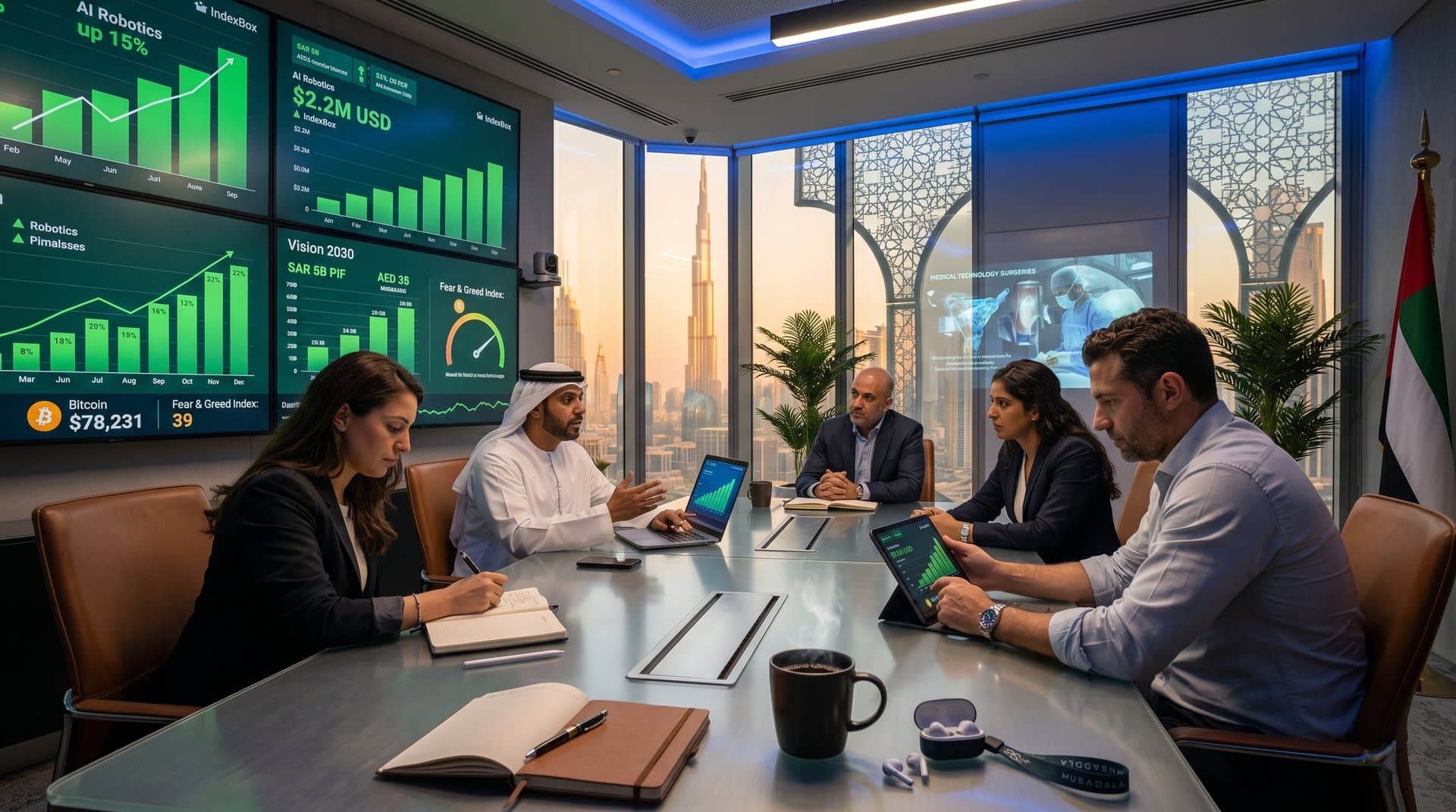
Saudi Arabia integrates mesh into NEOM’s core zone. PIF-backed firms deploy 50,000 sensors with failover redundancy. Vision 2030 demands blackout-proof infrastructure.
Bahrain fintechs in Manama trial blockchain-secured signals. QIA explores satellite enhancements for Gulf-wide coverage. Iran tensions spur regional acceleration.
Expats in Doha and Riyadh demand secure channels. Digital visa platforms and aviation systems require reliable comms.
LoRa Mesh Networks Tech Breakdown
LoRa spread-spectrum scatters signals across frequency bands. Receivers reassemble data from noise. Detection demands rare wideband scanners.
LoRaWAN delivers 15 km urban range under 100 mW power. Chirp spread spectrum drives efficiency. Nodes use directional antennas.
AI optimizes paths around jams. Firmware incorporates zero-knowledge proofs. Etisalat trials satellite backhaul via low-earth orbit links.
Deployment Challenges in Stealth Signals Iran Blackout
Data speeds limit to text and metadata. Video streaming remains impossible. Urban density strengthens chains; rural areas lag.
Iran deploys drone sniffers for detection. Nodes rotate positions nightly to counter threats.
Open hardware kits circulate underground. Gulf funding scales prototypes to production.
Estonia’s meshes survive outages. Singapore’s grids handle peak loads effectively.
Boosting Gulf Digital Security
Mubadala scouts Israeli hop-technology firms. ADIA invests in Estonian mesh startups.
Sharia-compliant nodes protect Islamic finance transactions. Manama fintechs launch pilots.
Iran proxy threats prompt UAE blackout simulations. Qatar Airways integrates aviation comms.
Gulf projects enforce strict vendor accountability standards.
Adoption Outlook for Mesh Networks
Dubai aims for 80% mesh penetration by year-end. NEOM targets 99.9% IoT uptime.
NetBlocks monitors blackouts closely. Stealth signals Iran blackout resilience disrupts shutdowns.
Bitcoin’s $75,076 USD stability underscores crypto resilience. Gulf mesh networks enhance crypto node syncing for regional trades.