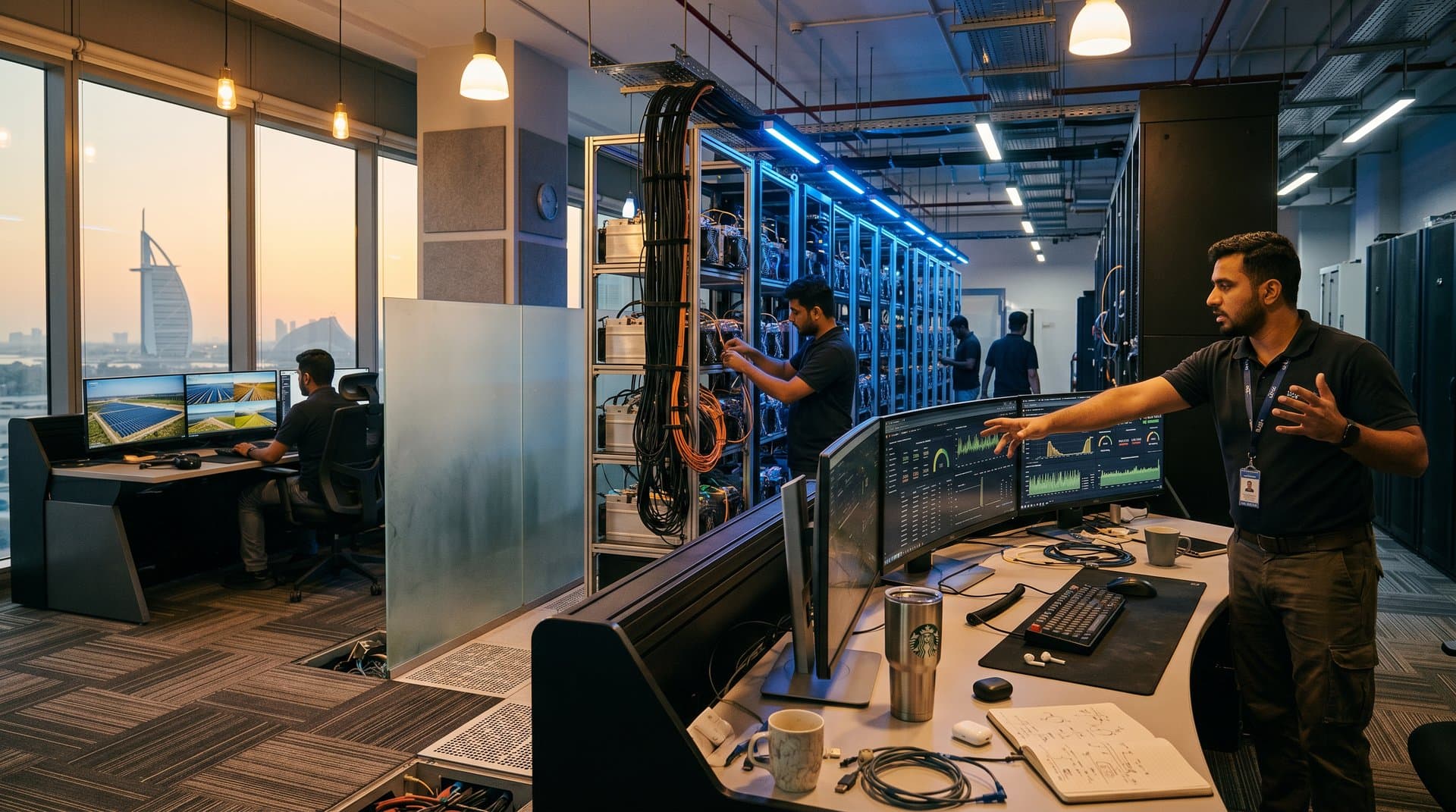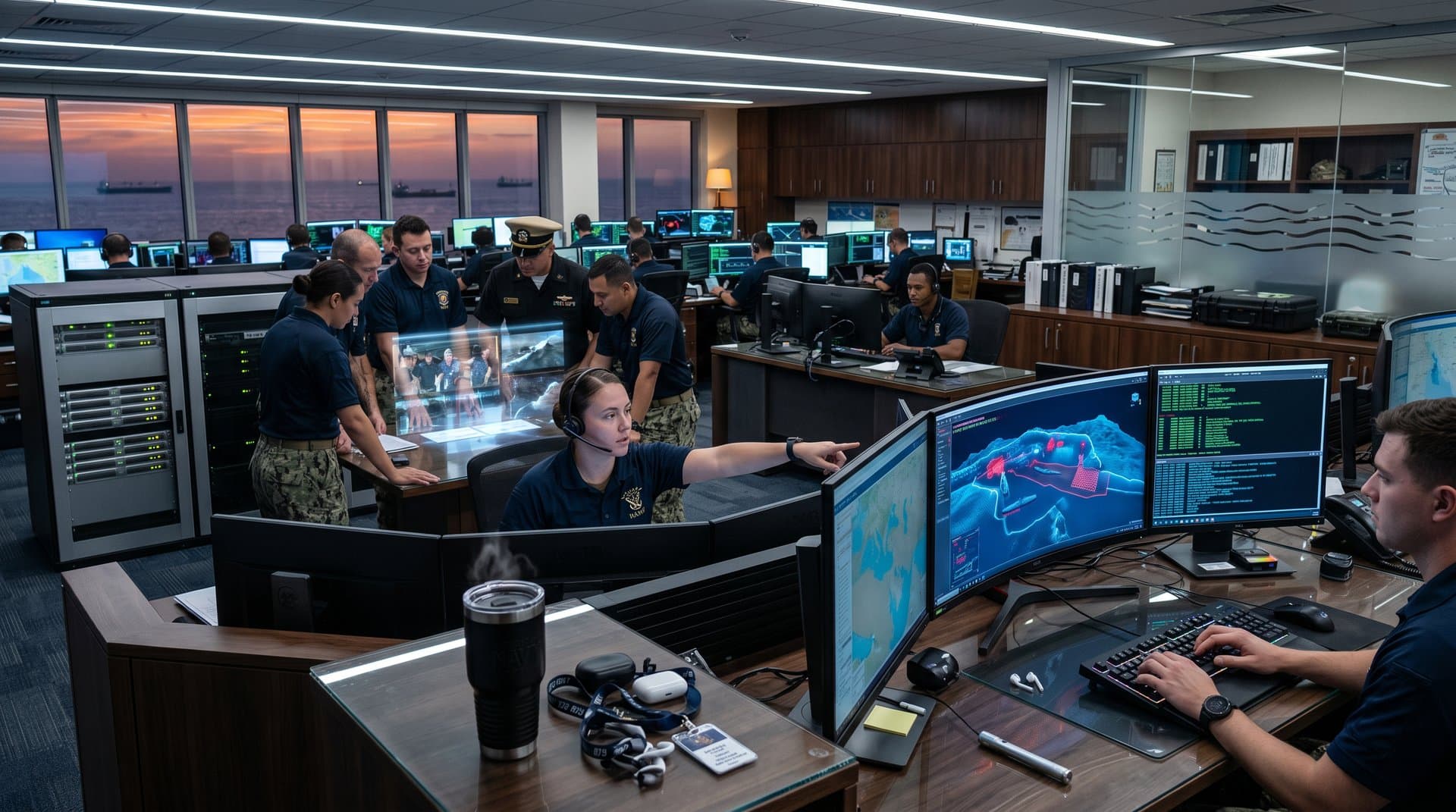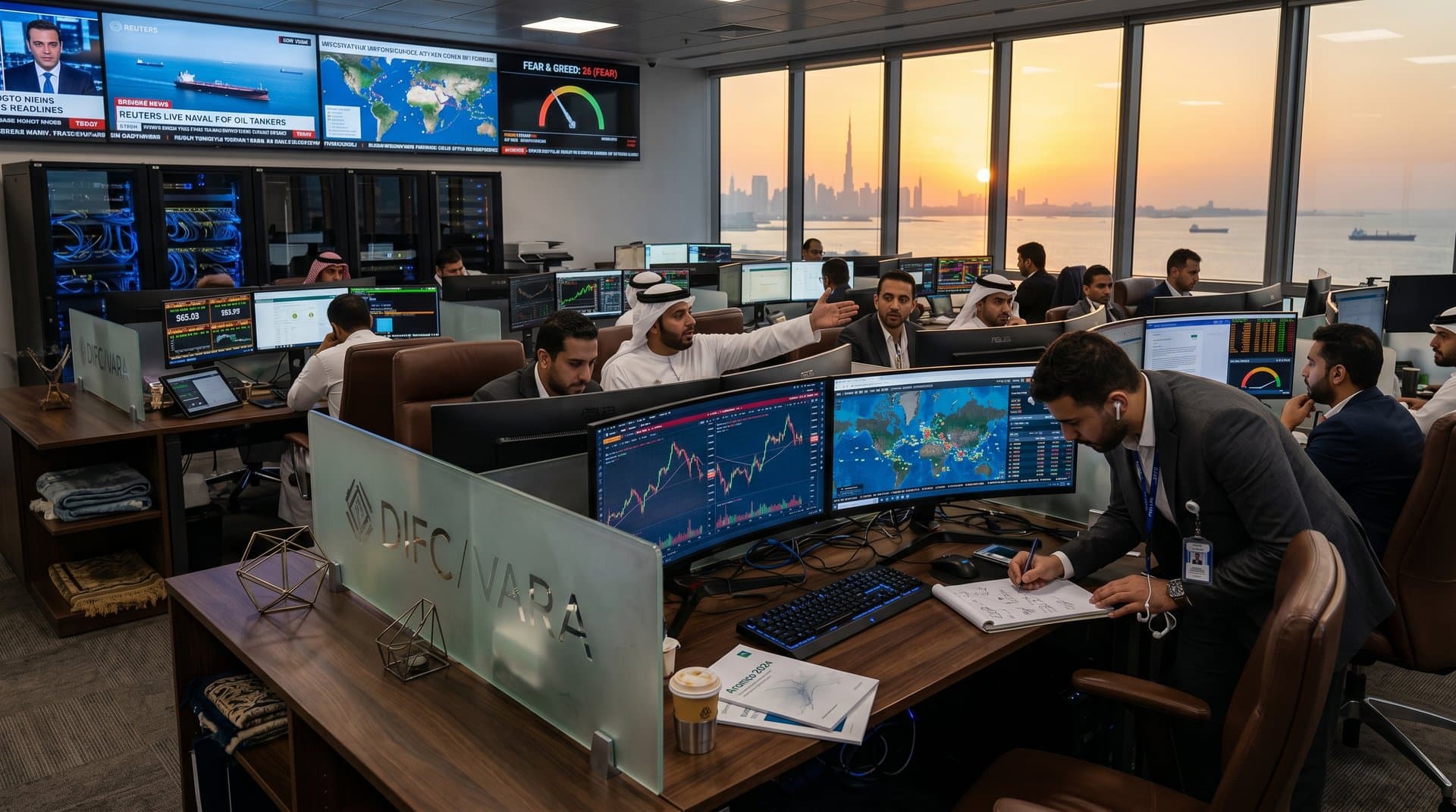
- Strait of Hormuz tensions boost Bitcoin 3.3% to $77,230 ($1.545T cap).
- Crypto stocks like WBT rise 3.0% to $56.13 ($12B cap); ETH +3.7%.
- Stablecoins hold $1.00 peg; USDT $186.7B amid Gulf hedging.
Strait of Hormuz tensions lifted crypto stocks 3.3% today, per CoinGecko. Bitcoin hit $77,230, up 3.3% with a $1.545 trillion market cap. WBT climbed 3.0% to $56.13. Stablecoins held their $1.00 peg.
The Strait channels 21% of global oil flows, according to the U.S. Energy Information Administration's World Oil Transit Chokepoints report. Recent naval maneuvers alarm Riyadh and Abu Dhabi. Saudi Arabia's Public Investment Fund (PIF) and Abu Dhabi's Mubadala monitor these risks via public market positions.
Hormuz Chokepoint Ignites Safe-Haven Crypto Demand
Geopolitical tensions historically drive Bitcoin demand as a hedge. Its 21 million supply cap appeals during oil supply threats. WBT hit $56.13 with a $12 billion market cap, per CoinMarketCap. Ethereum rose 3.7% to $2,420.55 post-Merge upgrade.
HYPE gained 3.2% to $45.06. Dubai's Virtual Assets Regulatory Authority (VARA) regulates surging trading volumes. Saudi Vision 2030 pushes oil diversification. Abu Dhabi Global Market (ADGM) pioneers blockchain settlements for commodities.
Riyadh's Capital Market Authority (CMA) tracks crypto inflows closely. These events underscore the Gulf's shift to digital assets for revenue resilience, as outlined in PIF's 2024 annual investment strategy.
Crypto Rally Leaders and Performance Metrics
XRP advanced 3.2% to $1.47, reaching a $90.8 billion cap. Stablecoins avoided volatility: USDT at $186.7 billion and USDC at $78.5 billion, both pegged at $1.00, per CoinMarketCap data from October 10, 2024.
Tron (TRX) edged up 0.1% to $0.33, favored for cross-border payments. Gulf banks assess stablecoin reserves ahead of EU MiCA implementation in 2026. Solana lagged at +0.8% to $88.85.
- Asset: BTC · Price (USD): 77,230 · 24h Change: +3.3% · Market Cap (B USD): 1,545.1
- Asset: ETH · Price (USD): 2,420.55 · 24h Change: +3.7% · Market Cap (B USD): 292.0
- Asset: WBT · Price (USD): 56.13 · 24h Change: +3.0% · Market Cap (B USD): 12.0
- Asset: HYPE · Price (USD): 45.06 · 24h Change: +3.2% · Market Cap (B USD): 10.7
- Asset: USDT · Price (USD): 1.00 · 24h Change: 0.0% · Market Cap (B USD): 186.7
Data sourced from CoinGecko and CoinMarketCap, October 10, 2024.
Stablecoins Anchor GCC DeFi and Payments
Stablecoins stabilize decentralized finance (DeFi) platforms for GCC traders. USDS maintained $1.00 with an $11.4 billion cap. Dubai's VARA enforces strict issuer compliance standards. Figment's FIGR_HELOC fell 1.2% to $1.02.
Dogecoin rose 1.0% to $0.10. BNB climbed 2.3% to $645.61. The Fear & Greed Index registered 26, indicating fear, according to alternative.me data.
ADGM's Financial Services Regulatory Authority (FSRA) licenses stablecoin issuers. Saudi Arabian Monetary Authority (SAMA) pilots central bank digital currencies (CBDCs) for cross-border payments, per SAMA's 2024 fintech regulatory update.
Sovereign Wealth Funds Strengthen Crypto Ties
PIF allocates indirectly through proxies like WBT, aligning with its $700 billion assets under management (AUM) diversification goals. Mubadala supports fintech ventures amid rising tensions, as detailed in its Q3 2024 portfolio disclosures.
Energy revenues fuel NEOM in Saudi Arabia and Masdar green projects in Abu Dhabi. OPEC+, under Riyadh's leadership, monitors Hormuz patrols closely. Potential disruptions could elevate Brent crude prices, challenging production quotas.
CMA data shows increasing crypto allocations in Saudi institutional portfolios. Abu Dhabi's ADIA evaluates tokenized real-world assets for yield enhancement.
Regulatory Frameworks Drive Gulf Crypto Adoption
VARA's Dubai sandbox tests crypto-energy trading hybrids. ADGM deploys AI-driven risk assessment models for digital assets. SAMA's fintech accelerator advances blockchain remittances, reducing costs by 40% in pilots.
These frameworks position the GCC ahead in crypto regulation. Tensions highlight crypto's hedge against 20%+ oil export dependency. Dubai's DMCC Crypto Centre reports 25% volume spikes in October 2024.
Long-Term Portfolio Strategies in Focus
Despite Fear & Greed at 26, inflows continue into Gulf-linked crypto exposures. PIF targets 10% tech allocations by 2030 under Vision 2030. Mubadala's $300 billion AUM emphasizes blockchain infrastructure.
De-escalation could emerge at the next OPEC+ meeting on October 15. Strait of Hormuz tensions accelerate Gulf energy-finance convergence. Digital assets solidify as core diversifiers for GCC economic resilience.
Frequently Asked Questions
Why do Strait of Hormuz tensions boost crypto stocks?
Tensions drive safe-haven bids to Bitcoin and stocks like WBT (up 3.0% to $56.13). Gulf funds hedge oil risks with crypto's fixed supply.
How do Strait of Hormuz tensions impact Gulf stablecoins?
USDT holds $1.00 peg ($186.7B cap). VARA regulation in Dubai ensures stability for regional DeFi and payments.
What role does the Gulf play in crypto amid Hormuz risks?
PIF and Mubadala invest via proxies like HYPE ($45.06). Tensions speed Vision 2030 diversification into blockchain.
What signals caution in crypto markets now?
Fear & Greed Index at 26 (alternative.me) amid Hormuz risks. GCC investors watch OPEC+ responses.