- 1. Nobitex processes $4B USD quarterly, sanctioned by OFAC per Reuters November 7, 2024.
- 2. UAE crypto volumes exceed $10B USD monthly, Chainalysis 2025 report confirms.
- 3. DIFC DFSA and ADGM FSRA mandate KYC amid Warren's SEC probe urging.
US Senator Elizabeth Warren warned Gulf investors of Iranian crypto exchange risks from Nobitex on November 7, 2024 (Reuters). The platform processes $4 billion USD quarterly despite OFAC sanctions. Bitcoin trades at $80,870 USD, per CoinMarketCap data on November 12, 2024.
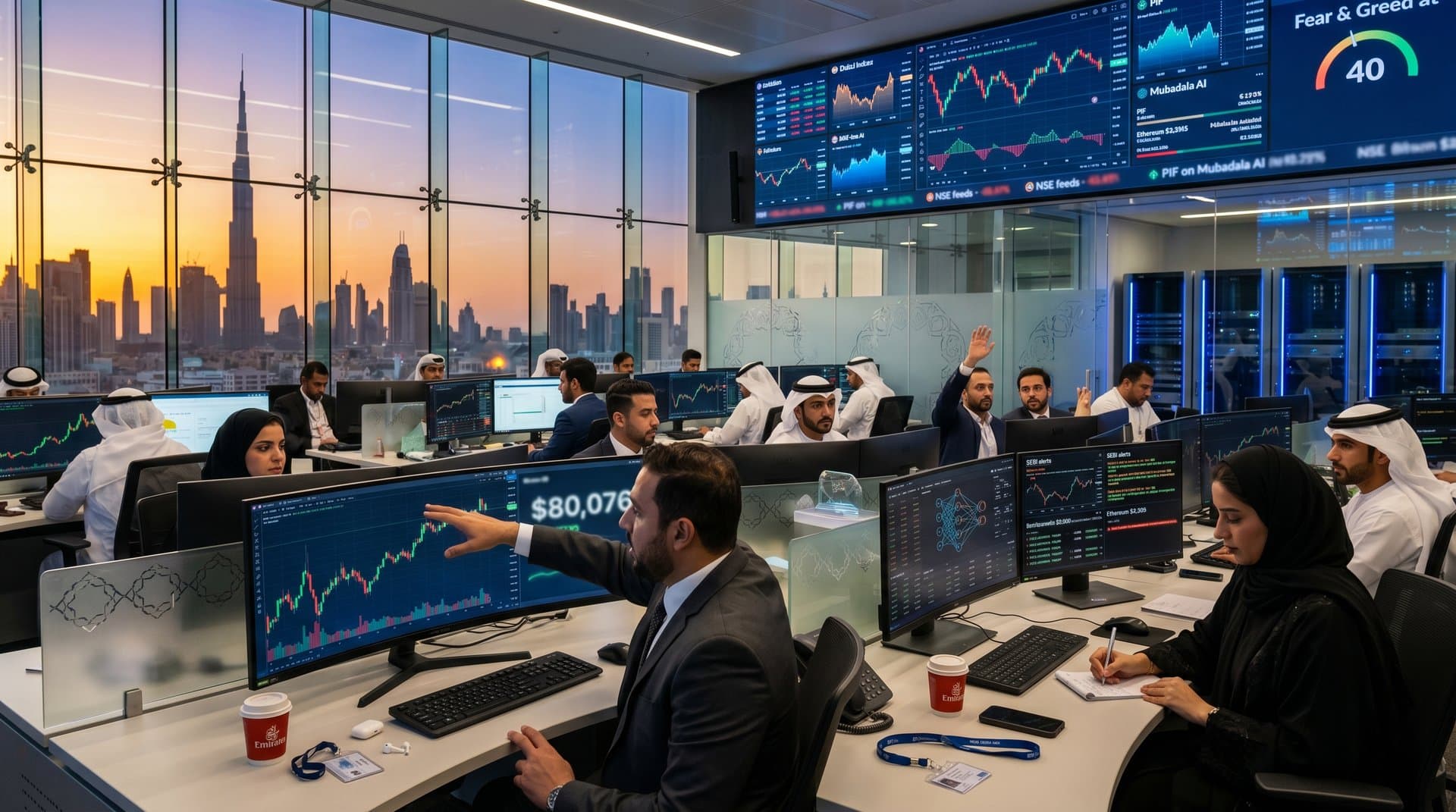
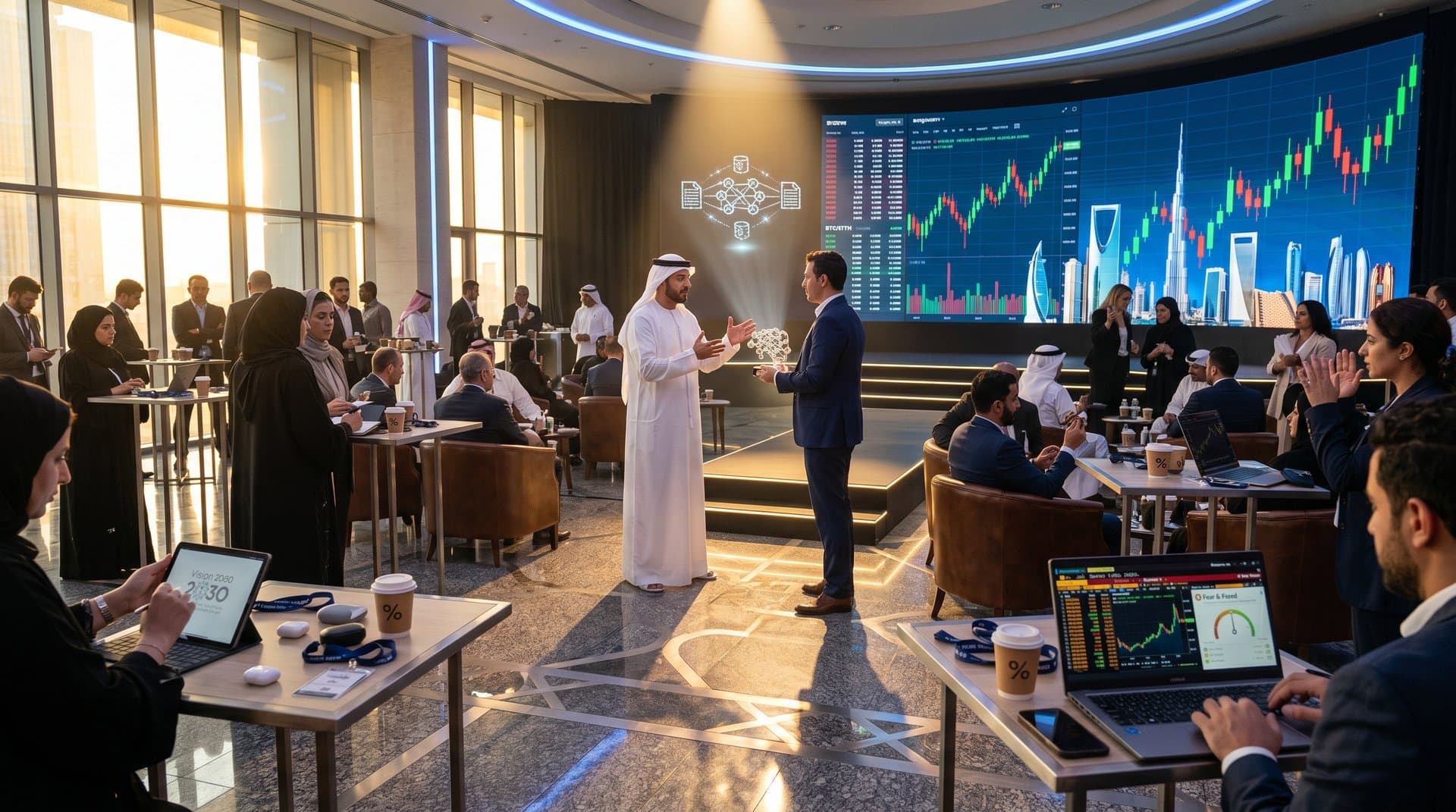
Gulf sovereign wealth funds push crypto diversification. Saudi Arabia's Public Investment Fund (PIF) allocates over $20 billion USD to technology, including fintech. Abu Dhabi's Mubadala oversees $300 billion USD in assets under management (AUM) and targets digital assets under Vision 2030.
Dubai International Financial Centre (DIFC), regulated by Dubai Financial Services Authority (DFSA), and Abu Dhabi Global Market (ADGM), supervised by Financial Services Regulatory Authority (FSRA), host licensed exchanges. Cross-border flows from sanctioned entities trigger compliance alerts.
Gulf Funds Face $4 Billion Iranian Crypto Exposure
Iranian exchanges evade US sanctions via crypto, per a CoinDesk report on Warren's November 9, 2023, letter. Nobitex now endures OFAC sanctions. Gulf investors access UAE platforms and Bahrain's Central Bank of Bahrain (CBB)-licensed Rain exchange.
Warren pressed SEC Chair Gary Gensler to probe crypto's sanctions evasion role. PIF's tech holdings include US fintechs exposed to secondary sanctions. Mubadala collaborates with BlackRock on tokenization pilots launched October 2024.
XRP trades at $1.40 USD with $86.5 billion USD market cap, aiding Gulf trade finance through Ripple. Solana hits $84.81 USD and $48.8 billion USD cap, fueling DeFi for Saudi startups. Qatar National Bank trialed blockchain remittances on December 1, 2024.
DIFC and ADGM Tighten Sanctions Compliance
OFAC freezes Iran-linked crypto addresses weekly. Bahrain's Rain delisted high-risk tokens November 10, 2024. UAE crypto volumes exceed $10 billion USD monthly, according to Chainalysis' 2025 Crypto Crime Report released January 15, 2025.
DIFC's fintech sandbox backs 200 blockchain firms at $5 million USD annual compliance costs each, DFSA estimates. ADGM requires real-time transaction monitoring under its 2024 crypto rules. Peer-to-peer (P2P) Telegram trades dodge detection, Chainalysis warns.
USDT commands $189.5 billion USD supply, enabling illicit flows. BNB reaches $626.55 USD and $84.4 billion USD cap, channeling Iranian funds to Gulf DEXs. Warren stresses secondary sanctions target non-US entities like PIF units.
Regulatory Responses Across GCC
Saudi Central Bank (SAMA) and Capital Market Authority (CMA) demand rigorous licensing. Dubai's Virtual Assets Regulatory Authority (VARA) granted 15 licenses in Q4 2024. Bahrain CBB greenlit Rain's expansion November 20, 2024.
Elliptic identified $500 million USD in Iranian activity across DIFC in 2024. Gulf investors favor regulated stablecoins like USDC at $77.8 billion USD supply. Qatar Investment Authority (QIA) pursues compliant crypto through ADGM.
SAMA launched a crypto sandbox in Riyadh October 2024, hosting 12 firms. VARA enforces 1:1 reserve rules for stablecoins. DFSA updated KYC guidelines November 2024 to screen OFAC lists.
Vision 2030 Diversification Amid Sanctions
Saudi Vision 2030 seeks 9.3% non-oil GDP growth via fintech by 2030. Mubadala debuted a $100 million USD digital asset fund in Abu Dhabi September 15, 2024. PIF reported $450 million USD US tech exposure November 5, 2024.
UAE Central Bank schedules Q1 2026 dirham stablecoin rules. Compliance tools from Chainalysis and Elliptic drive growth. Blockchain analytics firm Elliptic projects 20% rise in Gulf monitoring spend by 2026.
Neutral BTC sentiment at $80,870 USD challenges Gulf resilience. DIFC and ADGM lead with advanced screening. Investors prioritize licensed platforms to counter Iranian crypto exchange risks.
Frequently Asked Questions
What Iranian crypto exchange risks face Gulf investors?
Platforms like Nobitex evade US sanctions, risking asset freezes for users. Secondary sanctions hit non-US entities. DIFC's DFSA and ADGM's FSRA mandate enhanced KYC.
How do Warren's warnings impact Gulf fintech?
Warren urges SEC probes into Iran evasion, pressuring ADGM and DIFC hubs. Exchanges like Rain delist risky assets. Blockchain analytics become essential.
Which regulators address sanctions in Gulf crypto?
DFSA (DIFC), FSRA (ADGM), VARA (Dubai), SAMA/CMA (Saudi), CBB (Bahrain). They require transaction monitoring beyond MiCA standards.
Why matter sanctions for Vision 2030 diversification?
PIF and Mubadala eye crypto for non-oil growth, but Iranian risks demand compliance. Neutral BTC market at $80,870 USD tests resilience.