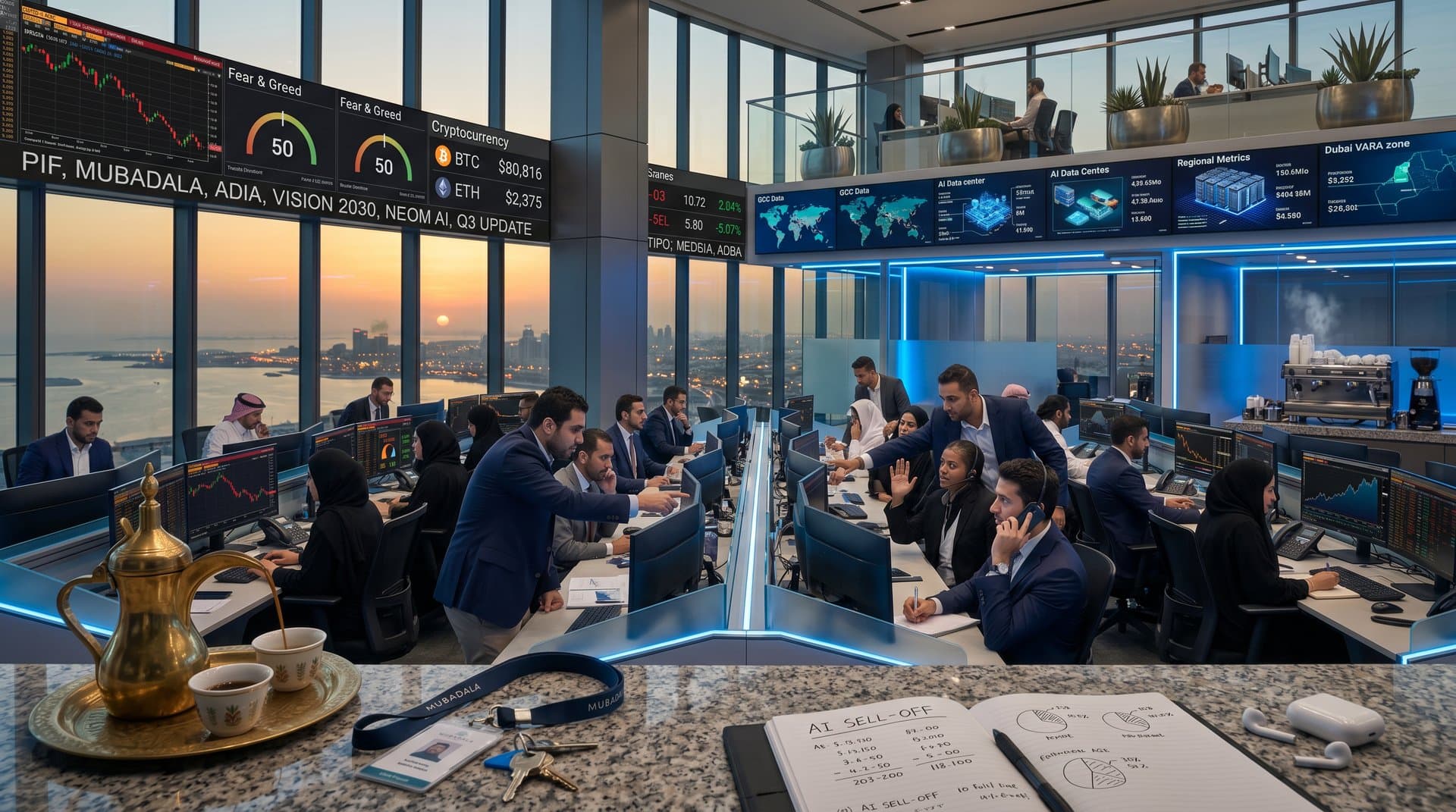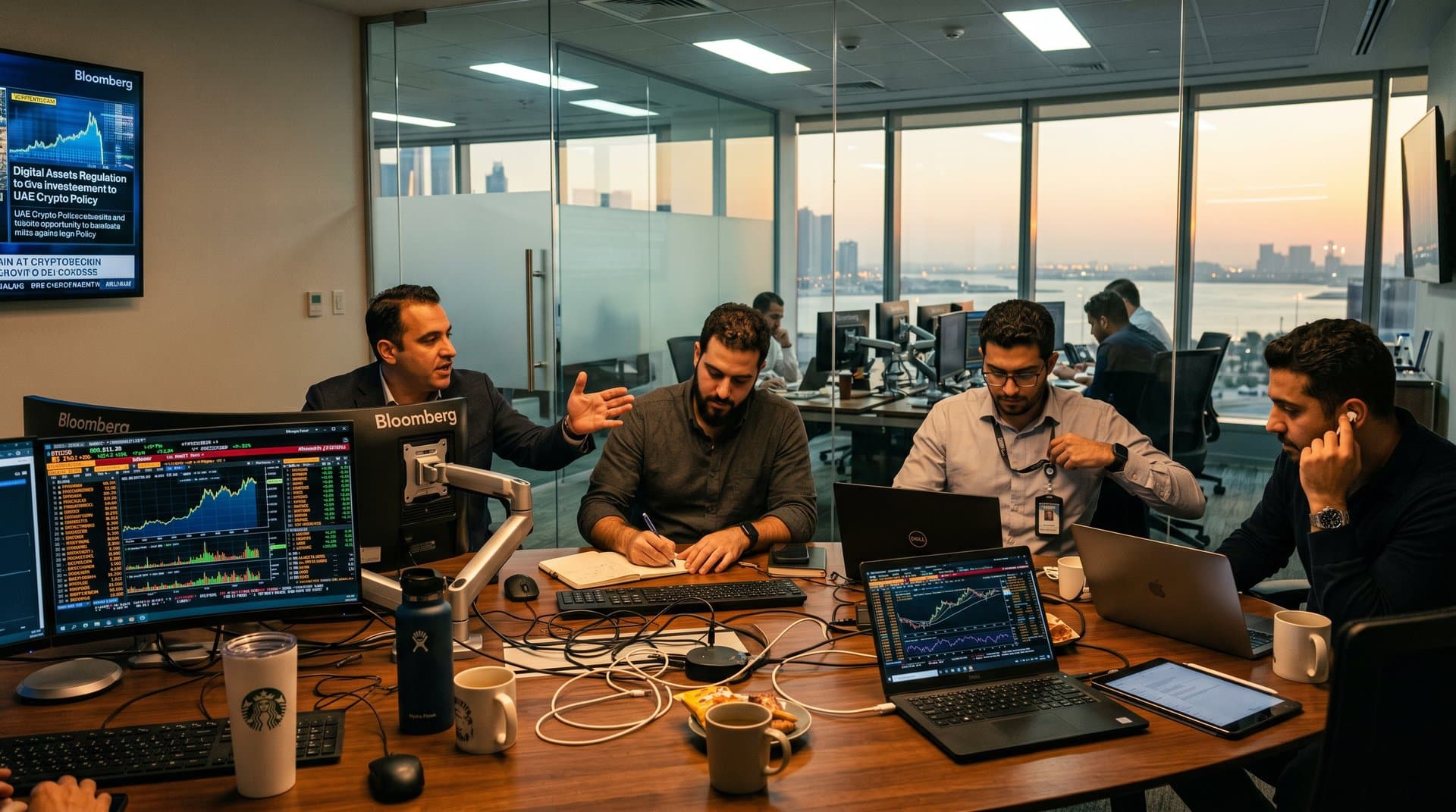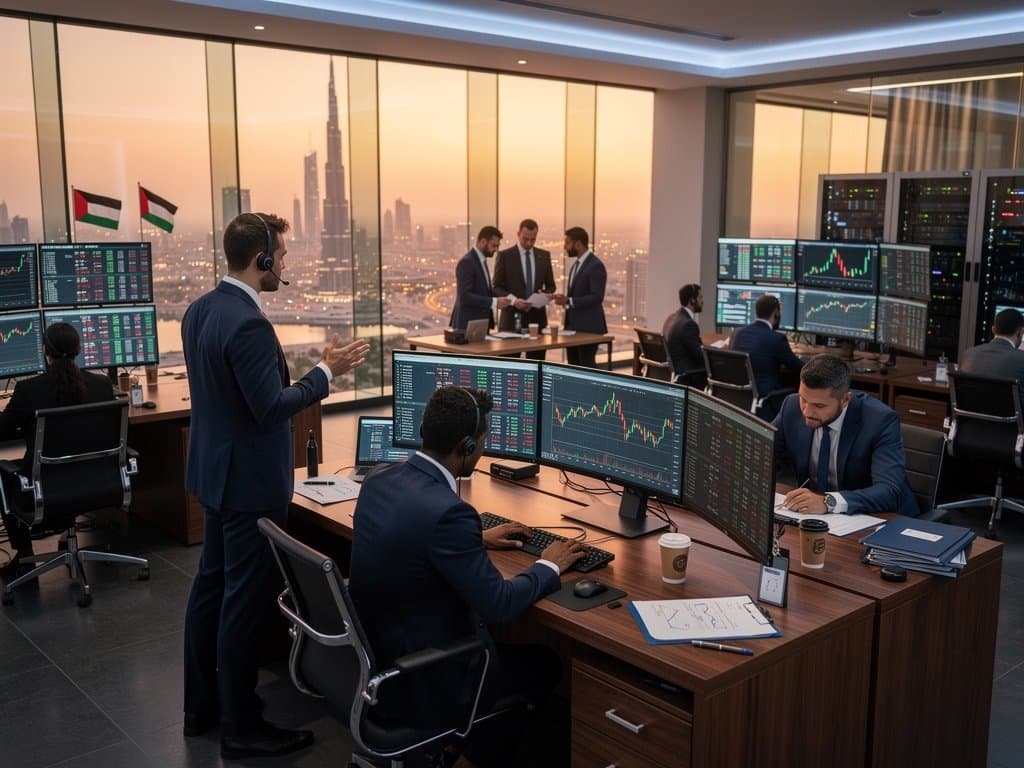
- 1. BIS General Manager Agustín Carstens warns stablecoins dollarization erodes AED and SAR USD pegs.
- 2. UAE VARA licenses 20+ crypto firms, driving USDT remittances to $10B annually.
- 3. GCC advances CBDCs and Project Agorá to counter stablecoins dollarization threats.
Bank for International Settlements (BIS) General Manager Agustín Carstens warns stablecoins dollarization threatens UAE's AED peg at 3.6725 USD and Saudi Arabia's SAR peg at 3.75 USD. USDT holds its $1.00 peg. Bitcoin surges to $76,412 USD, up 1.9% on April 9, 2025.
Dubai's Virtual Assets Regulatory Authority (VARA) issued licenses to over 20 crypto firms in 2024, including Binance and OKX. These licenses enable stablecoin integration into remittances and payments. BIS flags this as evasion of local monetary controls, per its October 2023 analysis on stablecoin risks.
UAE VARA Framework Accelerates Gulf Crypto Adoption
UAE leads GCC crypto regulation with Dubai's VARA and Abu Dhabi's ADGM Financial Services Regulatory Authority (FSRA) stablecoin guidelines. DIFC traders report USDT trading volumes surpassing XRP at $1.44 USD, up 1.9%. Over 8.5 million expats in UAE prefer USDT for instant cross-border payments.
This trend circumvents the AED's fixed 3.6725 USD peg managed by the Central Bank of the UAE (CBUAE). BNB climbs to $635.41 USD, up 1.7%. Fintech hubs like Hub71 in Abu Dhabi integrate stablecoins into trade finance platforms, processing $2.5 billion USD in volume last year, per VARA data.
BIS General Manager Agustín Carstens emphasized concentrated dollar exposure from private stablecoin issuers like Tether. These issuers challenge central bank sovereignty and monetary policy effectiveness in pegged economies.
Stablecoins Dollarization Erodes Gulf Currency Peg Stability
Gulf currencies maintain USD pegs to stabilize oil trade revenues exceeding $500 billion USD annually for GCC states. UAE's AED fixes at 3.6725 USD since 1997. Saudi Arabia's SAR anchors at 3.75 USD under SAMA oversight.
USDT delivers instant settlement outside these pegs. Users hold dollars directly via wallets. This reduces demand for local fiat and limits central banks' monetary tools like interest rate adjustments. BIS likens this to Ecuador's 2000 full USD dollarization.
UAE stablecoin transaction volumes now rival $10 billion USD in annual remittances, per Chainalysis 2024 report. VARA mandates 1:1 reserves for licensed issuers. Offshore USDT from Tether dominates with $110 billion USD in circulation.
- Asset: BTC · Price (USD): 76,412 · 24h Change: +1.9% · Market Cap (USD): 1.51 trillion
- Asset: ETH · Price (USD): 2,322.49 · 24h Change: +0.9% · Market Cap (USD): 279.7 billion
- Asset: USDT · Price (USD): 1.00 · 24h Change: 0.0% · Market Cap (USD): 110.2 billion
- Asset: XRP · Price (USD): 1.44 · 24h Change: +1.9% · Market Cap (USD): 84.6 billion
- Asset: BNB · Price (USD): 635.41 · 24h Change: +1.7% · Market Cap (USD): 92.8 billion
CoinGecko's USDT page shows unwavering peg stability amid market volatility.
UAE Crypto Surge Amplifies BIS Stablecoins Dollarization Concerns
Dubai hosts Crypto Expo Dubai 2025, drawing 15,000 attendees. Saudi Arabia's Public Investment Fund (PIF)-backed ventures showcase blockchain pilots. Mubadala invests $75 million USD in Circle, issuer of USDC stablecoin.
BIS warns decentralized wallets enable regulatory evasion. Saudi NEOM city plans blockchain for $500 billion USD energy trades. Stablecoins risk dollarizing SAR flows, diluting SAMA's control.
Reuters reports UAE Central Bank tightens stablecoin reserve rules on July 18, 2024. Abu Dhabi Investment Authority (ADIA) explores on-chain treasuries for its $993 billion USD portfolio.
BIS recommends central bank digital currencies (CBDCs). UAE pilots digital dirham with 40 partners since 2023.
Saudi Arabia and GCC Regulators Tackle Stablecoins Dollarization Risks
Saudi Arabian Monetary Authority (SAMA) licenses stablecoin pilots in its sandbox. Capital Market Authority (CMA) oversees tokenized assets. Aramco tokenizes $1 billion USD bonds on blockchain.
BIS Project Agorá develops global wholesale CBDC standards with seven central banks, including UAE. Qatar's Qatar Investment Authority (QIA) funds Solana ecosystem with $100 million USD. Bahrain's Central Bank of Bahrain (CBB) licenses USDT gateways for seven firms.
Stablecoins integrate into fintech like UAE's Tabby buy-now-pay-later, processing $300 million USD quarterly. VARA conducts quarterly audits. Offshore risks persist, with 70% of Gulf stablecoin volume untethered to local regs, per Elliptic analysis.
CoinDesk covers BIS stablecoins policy on June 27, 2024, detailing Carstens' push for oversight.
Gulf Outlook Balances Stablecoins Dollarization Threats and Fintech Innovation
UAE targets 40% digital economy by 2031 under Dubai Economic Agenda D33. Stablecoins fuel ADGM DeFi platforms with $5 billion USD TVL. BIS predicts peg strains from 50% annual stablecoin growth.
Saudi Arabia tokenizes oil futures via PIF. GCC harmonizes frameworks through VARA-SAMA data-sharing pacts. Upcoming BIS report on April 2025 assesses stablecoins dollarization progress and CBDC interoperability.
Regulators balance innovation with sovereignty. UAE's VARA frameworks position Gulf as crypto hub while mitigating stablecoins dollarization risks through reserves and CBDCs.
Frequently Asked Questions
What dollarization risks do stablecoins pose to Gulf currencies?
Stablecoins like USDT allow users to hold dollars directly, bypassing AED and SAR pegs. This reduces local fiat demand and erodes central bank control. BIS chief Agustín Carstens highlights regulatory evasion potential.
How is UAE regulating stablecoins amid BIS warnings?
VARA in Dubai mandates 1:1 reserves for licensed issuers. ADGM in Abu Dhabi issues guidelines for stablecoin operations. These steps address BIS concerns on dollarization.
Why are stablecoins popular in UAE crypto surge?
USDT at $1.00 enables fast remittances for 8.5M expats. Fintech hubs integrate them into payments. Volumes rival traditional finance amid BTC at $76,412.
What does BIS recommend against stablecoin dollarization?
BIS urges global standards and CBDC development. Projects like Agorá test interoperability. Gulf states explore digital dirhams as counters.