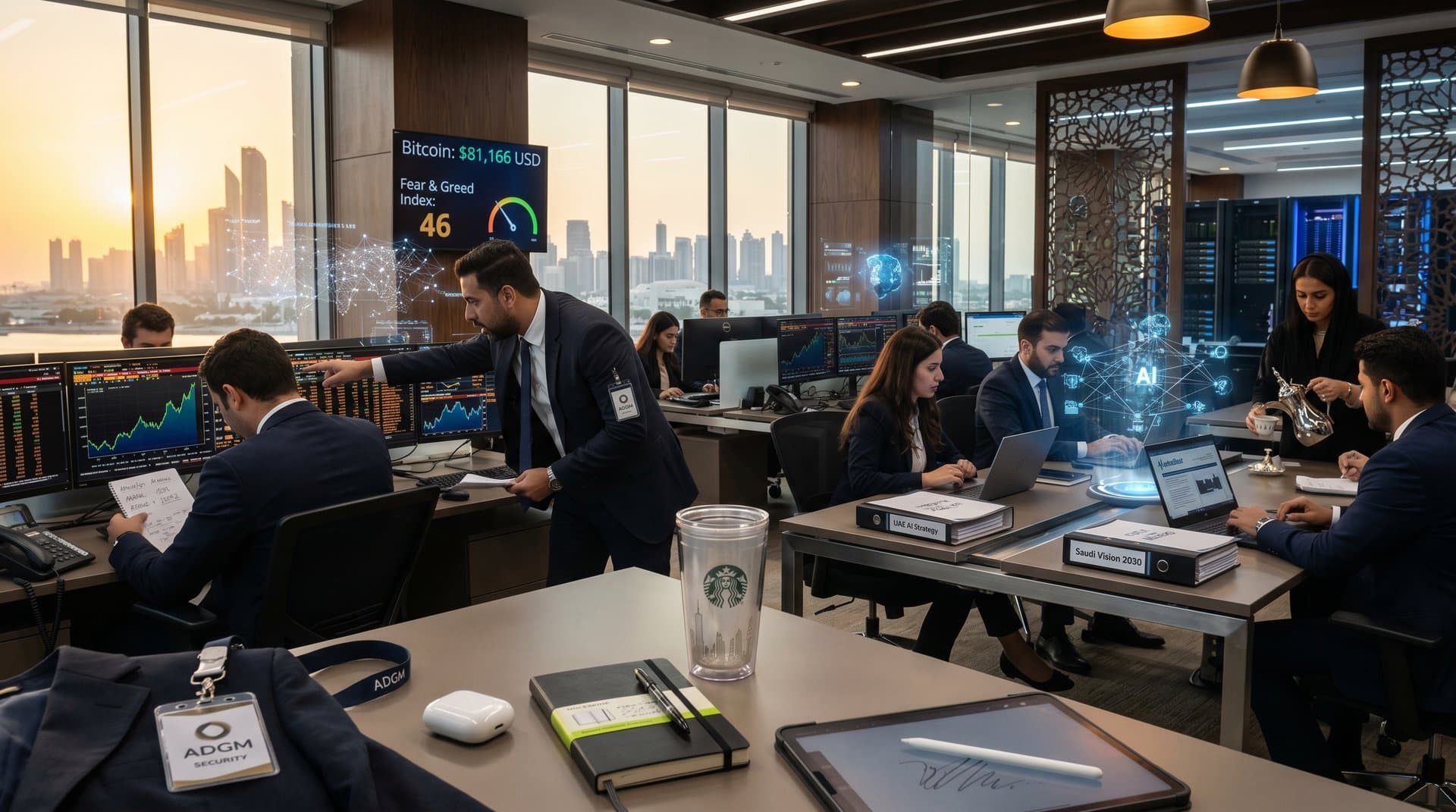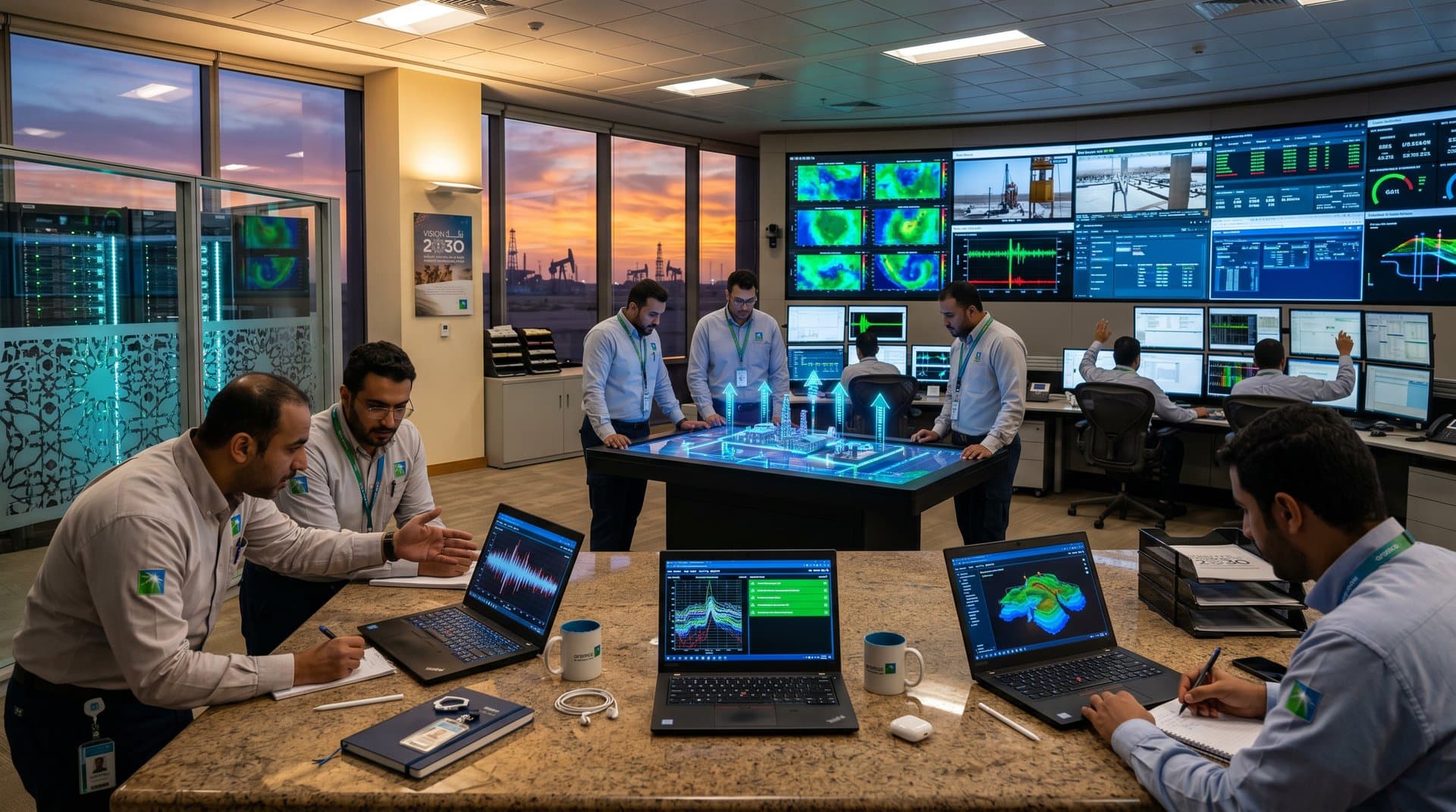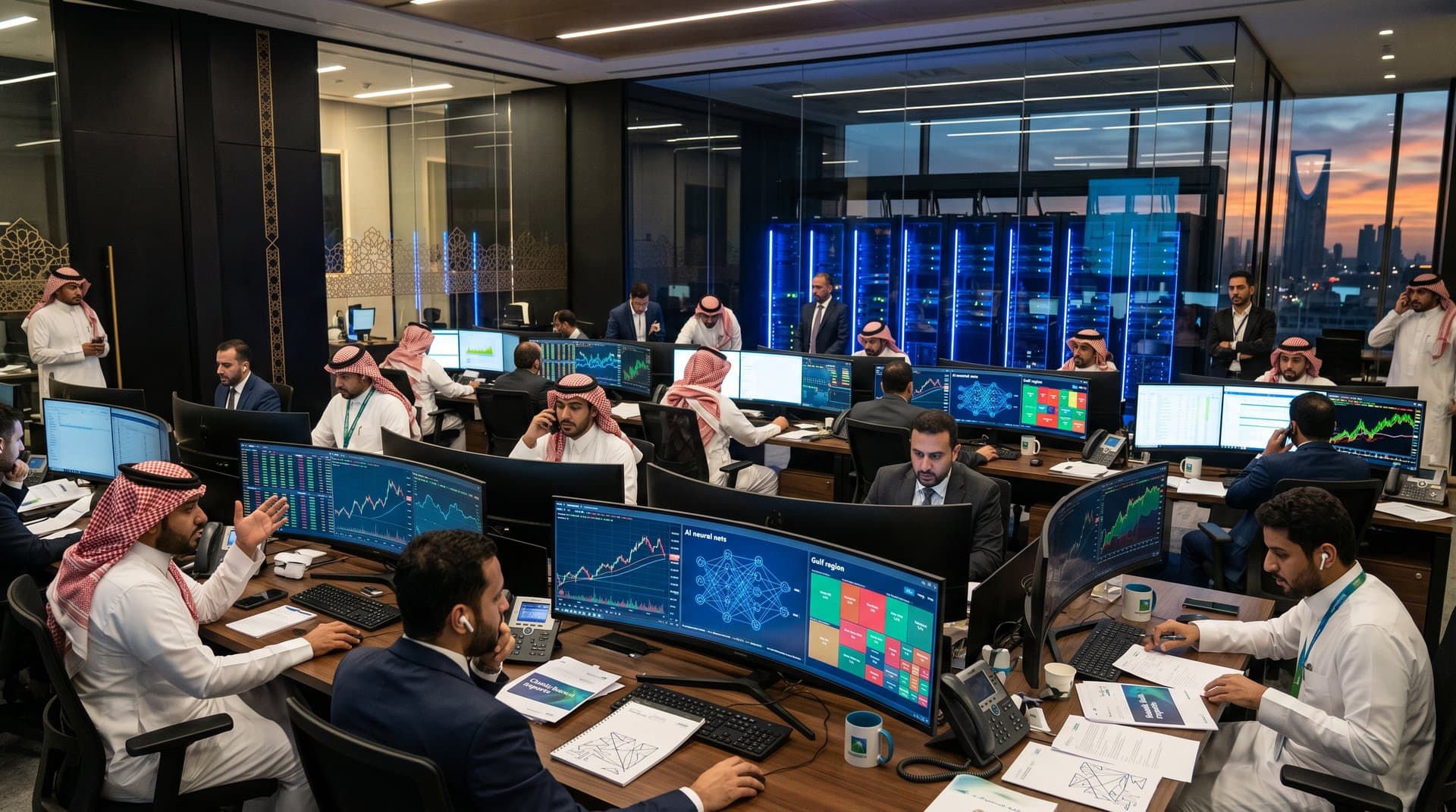
UAE and Saudi governments launched Gulf AI workforce retraining programs for 50,000 oil workers on April 12, 2026. ADNOC enrolls 15,000 staff in its AI Academy, while Aramco opens 35,000 slots at its Digital University. Sovereign funds back these efforts with over $20 billion USD in AI infrastructure and training, per ministry reports.
The programs focus on predictive maintenance—using AI to forecast equipment failures—machine learning algorithms, and seismic data analysis for exploration. Mubadala Development Company projects 30% salary increases for graduates transitioning to tech roles.
UAE's ADNOC Leads Oil Workers Pivot
ADNOC's AI Academy in Abu Dhabi's Masdar City equips rig workers with Python programming and AI tools for energy operations. Former driller Ahmed Al-Mansoori, 42, now builds drilling optimization models after 15 years on the Zakum offshore field.
These six-month courses support UAE's energy diversification under the UAE Energy Strategy 2050. UAE Ministry of Human Resources and Emiratisation reports 40% enrollment growth in Q1 2026.
Mubadala invests heavily in G42's Falcon 3.0 supercomputer, operational since January 2026. ADNOC company filings credit the supercomputer with 25% reductions in exploration costs through advanced simulations.
Saudi Aramco Accelerates Energy Tech Shift
Aramco's Digital University trains workers in AI applications for rig efficiency and predictive analytics. Six-month programs prepare trainees for NEOM's green hydrogen projects, a PIF-backed initiative.
NEOM recruits 5,000 AI-trained oil veterans at starting wages of 25,000 SAR monthly, exceeding traditional rig pay. Saudi Human Capability Development Program data shows women trainees increased to 35% from 5% in legacy oil roles.
Saudi PIF commits $40 billion USD to AI data centers, according to its March 2026 annual report. PIF also partners with Grok Ventures on a $5 billion USD fund targeting oilfield robotics and automation.
Sovereign Funds Drive Gulf AI Workforce
UAE's MGX fund, backed by ADIA and Mubadala, pledges $100 billion USD to AI by 2030, announced in March 2026. Qatar's QIA allocates $10 billion USD to energy optimization ventures, complementing UAE and Saudi efforts.
PIF targets 25% internal rate of return (IRR) over five years on these investments. The funds procure Nvidia GPUs and build hyperscale data centers in UAE free zones, including ADGM-regulated facilities.
Microsoft activated its Riyadh cloud region on April 12, 2026, with $2.1 billion USD dedicated to Aramco workloads. Google Cloud expands Dubai operations to support UAE energy sector simulations and AI model training.
Challenges in Oil to AI Transition
Aramco's internal studies reveal 20% dropout rates among early cohorts, particularly workers over 50 struggling with coding fundamentals. Aramco responds with tailored mental health support programs launched on April 12, 2026.
UAE's Telecommunications and Digital Government Regulatory Authority (TDRA) mandates zero-trust cybersecurity frameworks for AI-enabled rigs following 2025 hacks. McKinsey's Gulf report forecasts 100,000 job displacements in oil by 2028, offset by new tech opportunities.
Governments provide severance packages and relocation assistance. Adaptive, personalized training pathways will determine long-term success rates.
Cultural and Economic Impacts
The programs incorporate Arabic-language interfaces, English technical stacks, and modules on Gulf cultural values in tech workplaces. ADNOC logistics manager Fatima Al-Suwaidi, 35, trains neural networks for supply chain optimization: "AI saves my job and secures my family's future."
Expats currently fill 40% of advanced tech roles, per Dubai Statistics Center data. Emiratisation quotas drive 10% annual increases in UAE national hires.
PwC Middle East estimates a $15 billion USD economic impact by 2028 as oil skills transfer to hospitality, smart cities, and fintech sectors.
Future of Gulf AI Workforce
UAE targets 50% of its workforce in tech roles by 2031, per its National AI Strategy 2031. Saudi Arabia pursues nationwide AI literacy under Vision 2030.
PIF and Mubadala track diversification key performance indicators (KPIs). Aramco's Q1 2026 filings report 10% production output boosts via AI, without adding new rigs.
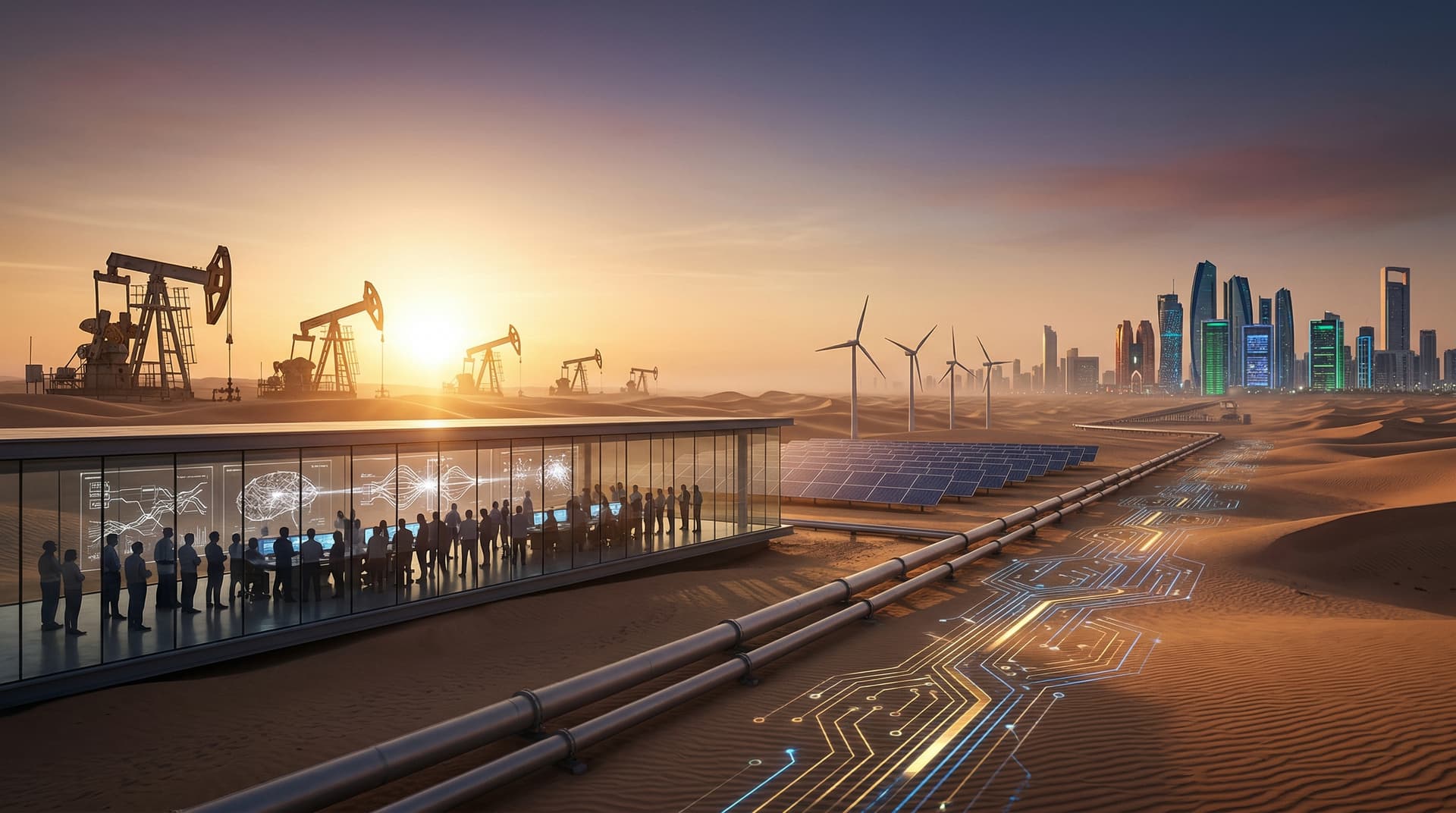
This Gulf AI workforce pivot fuses decades of oil expertise with cutting-edge technology. Data centers and algorithms herald a hybrid energy future across the GCC.