- 1. Iran cryptocurrency evades sanctions via mining, BTC at $75,384 USD.
- 2. Fear & Greed Index at 21 signals extreme fear amid tensions.
- 3. Gulf funds like Mubadala adapt as Solana hits $87.77 USD.
Iran advances its cryptocurrency strategy on April 17, 2026. Tehran bypasses international sanctions and asserts financial sovereignty. Bitcoin trades at $75,384 USD per CoinMarketCap data.
Iran's Central Bank explores digital assets for trade. Dubai's VARA regulates crypto activities. UAE's Mubadala and Qatar's QIA track these developments closely. Ethereum stands at $2,348.28 USD with a market cap of $283.4 billion USD per CoinMarketCap. The Fear & Greed Index registers 21, indicating extreme fear according to Alternative.me.
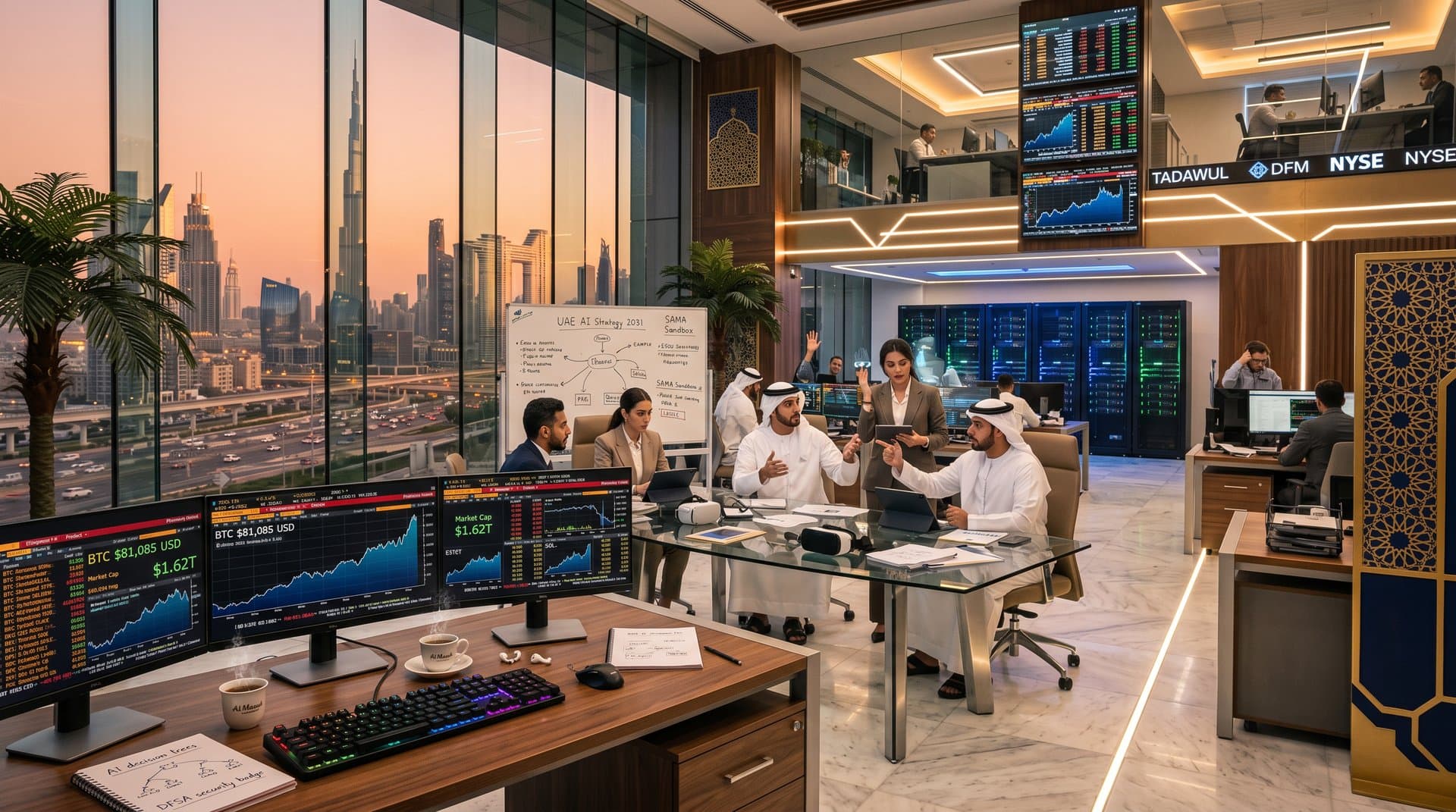
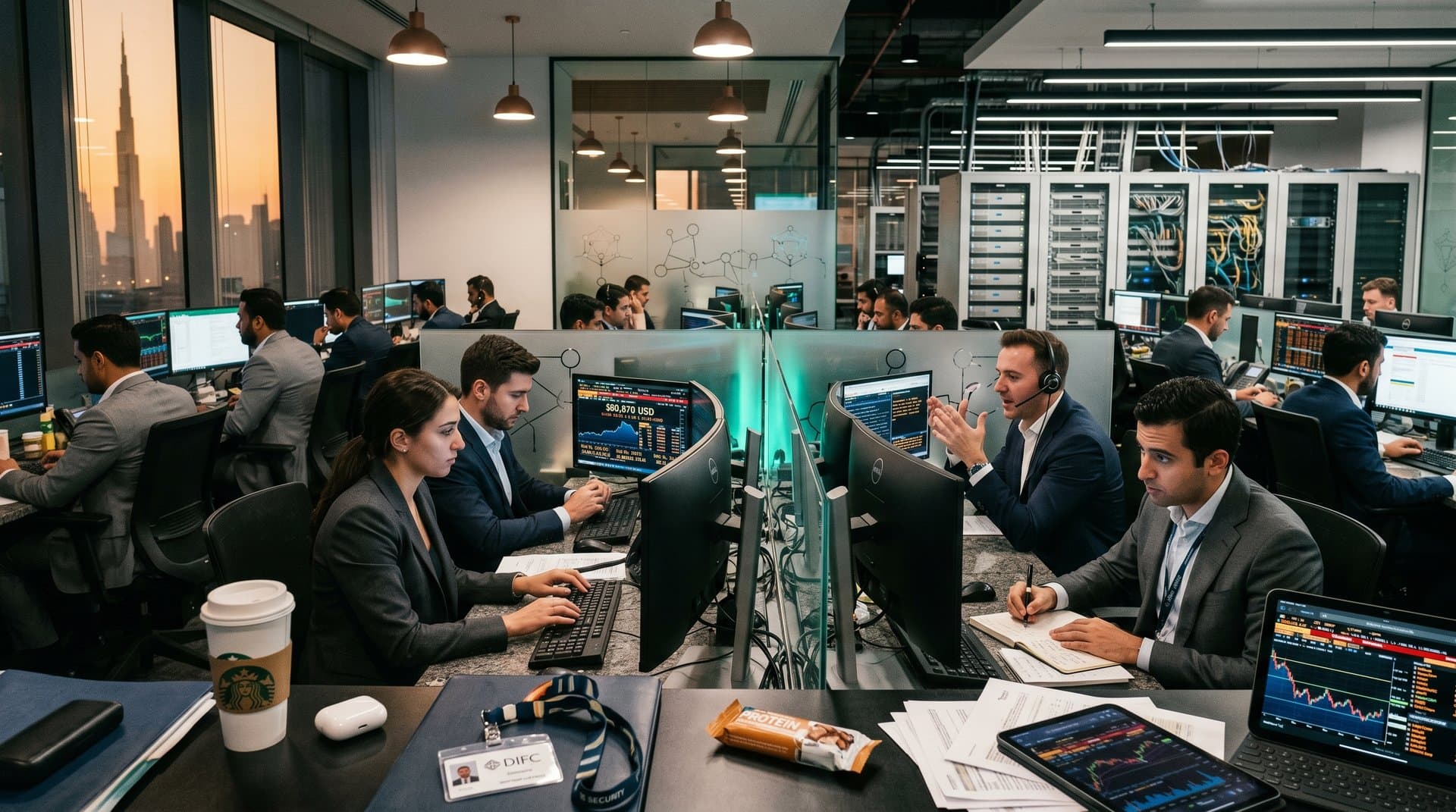
Traders in Dubai's DIFC monitor red candlesticks on Bloomberg terminals amid rising tensions.
Iran Cryptocurrency Revives Persian Daric Legacy
Ancient Persia minted darics, pure gold coins that funded Achaemenid conquests and dominated trade routes.
Modern Iran revives this legacy. Western sanctions sever traditional banking access. Cryptocurrency enables swift, borderless transfers outside SWIFT control.
Iranian miners use subsidized electricity to produce Bitcoin. They convert energy into exportable value. An Iranian government official confirmed Bitcoin's role in foreign trade, per Reuters reports.
Saudi Arabia's PIF invests heavily in blockchain firms per PIF disclosures. UAE's ADGM in Abu Dhabi issues specialized crypto licenses. Bahrain's Central Bank supports fintech sandboxes.
Blockchain technology resists censorship, much like gold withstood historical manipulations.
Iran Cryptocurrency Heightens Gulf Geopolitical Tensions
Iran's cryptocurrency push strains Gulf relations. Abraham Accords strengthen UAE-Israel ties. Qatar mediates selectively.
Crypto flows could fund regional proxies. Blockchain analytics firms like Chainalysis track transactions, yet pseudonymous wallets evade full detection.
Dubai's VARA approved over 40 virtual asset service providers per VARA disclosures. Bahrain licenses additional platforms. These hubs attract $10 billion USD in annual trading volume per VARA disclosures.
Iran contributes 5% to global Bitcoin hash rate per Bitinfocharts data. Gulf data centers in Saudi NEOM pursue sustainable, energy-efficient operations.
Bitcoin dominance hits 54% with a $1,508.7 billion USD market cap per CoinMarketCap data.
| Cryptocurrency | Price (USD) | 24h Change | Market Cap (USD B) |
|---|---|---|---|
| BTC | 75,384 | +1.4% | 1,508.7 |
| ETH | 2,348.28 | +0.7% | 283.4 |
| USDT | 1.00 | 0.0% | 185.8 |
| XRP | 1.44 | +2.5% | 88.7 |
| BNB | 631.36 | +1.9% | 85.1 |
Solana advances 3.2% to $87.77 USD per CoinMarketCap, gaining traction in DeFi applications.
Historical Money Parallels Fuel Iran Cryptocurrency Pivot
States weaponized money for millennia. The Byzantine solidus anchored trade for 700 years.
Colonial empires imposed currencies to extract wealth. Bretton Woods pegged USD to gold until 1971.
Sanctioned regimes innovate. Venezuela launched the petro cryptocurrency. Russia amasses 2,300 tons of gold reserves per World Gold Council data.
Iran legalized Bitcoin mining in 2019. Authorities deploy crypto for essential imports, circumventing restrictions.
Geopolitical risks drive market volatility. Fear & Greed Index at 21 underscores Iran-related uncertainties per Alternative.me.
Qatar's QIA allocates to fintech startups. Abu Dhabi's ADGM pilots central bank digital currencies (CBDCs) in controlled sandboxes.
Gulf Finance Adapts to Iran Cryptocurrency Pressures
Gulf institutions integrate blockchain rapidly. HSBC Middle East pilots crypto custody services in Dubai's DIFC per HSBC announcements.
Mubadala manages $15 billion USD in digital assets per Mubadala disclosures. Saudi Arabia's SAMA explores stablecoin frameworks for remittances per SAMA reports.
Smart contracts automate trade finance via platforms like Corda. Oracles from Chainlink feed real-world data into DeFi protocols.
Market volatility endures. Bitcoin tests $75,384 USD support levels amid swings.
XRP rises 2.5% to $1.44 USD. Ripple's ledger enables cross-border payments for Gulf exporters.
Riyadh's Future Investment Initiative hosts major crypto forums. Attendance surged 40% year-over-year per FII reports.
BTC $75K Signals Iran Cryptocurrency's Regional Future
Extreme fear at 21 creates institutional buying opportunities. BlackRock and Fidelity accumulate Bitcoin ETFs.
Gulf expatriates trade through VARA-licensed platforms like Bybit and Binance. Trading volumes double in Q1 2026 per VARA data.
Iran secures subsidized power plants for mining expansion. Europe's MiCA regulation launches January 2026. Gulf bodies like VARA align with global standards.
Cross-chain bridges improve interoperability. Iran's cryptocurrency strategy disrupts Gulf harmony yet accelerates regional innovation. Bitcoin above $70,000 USD paves the way for bullish recovery per CoinMarketCap trends.
Dubai's DMCC free zone reports 20% growth in crypto firm registrations per DMCC data. SAMA's sandbox tests yield three stablecoin pilots per SAMA updates.
Frequently Asked Questions
How does Iran cryptocurrency strategy evade sanctions?
Iran mines Bitcoin with cheap energy for exportable value. Blockchain supports transfers outside SWIFT. BTC's $75,384 USD price boosts viability.
What impact does Iran cryptocurrency have on Gulf finance?
VARA and ADGM tighten rules. Mubadala invests in assets. Fear & Greed at 21 heightens caution in Dubai and Riyadh.
Why does history matter for Iran cryptocurrency demands?
Persian darics controlled empires via money. Crypto restores sovereignty. Ethereum at $2,348 USD marks digital shift.
How does current market data relate to Iran cryptocurrency?
BTC cap $1,508.7B USD amid risks. XRP up 2.5% to $1.44 USD for payments. Fear at 21 tempers gains.