By Omar Khalil Gulf N News April 10, 2026
Iran imposes a $1 USD Iran crypto toll per barrel on oil transiting the Strait of Hormuz, announced April 10, 2026. The Iran crypto toll targets 21 million barrels per day (bpd), per Energy Information Administration Q1 2026 data.
Iran Crypto Toll Strategy Details
Iran ties the crypto toll to its 2024 national blockchain strategy. Tehran mined 1,500 BTC last quarter using subsidized power, per Iran Crypto Council data. State media projects $7.6 billion USD annually at current volumes.
Tehran accepts Bitcoin or stablecoins like USDT. Smart contracts on IRANET blockchain automate verification. Ships transmit cargo manifests via API to Bandar Abbas ports for processing.
Gulf tankers comply amid crypto volatility. BTC trades at $72,885 USD, up 1.2%, per CoinMarketCap on April 10, 2026. Aramco and ADNOC shipments use stablecoins to mitigate swings.
GCC States Counter Iran Crypto Toll Disruption
Saudi Aramco reroutes 15% of exports via the East-West Pipeline since April 8, 2026. The pipeline reaches 5 million bpd capacity, per company statements. UAE's ADNOC maximizes the Habshan-Fujairah line at 1.5 million bpd.
Dubai's DMCC crypto exchange records query spikes for oil trade wallets. Fintechs like Sarwa build Hormuz toll escrow platforms integrated with VARA-licensed exchanges. QatarEnergy pilots XRP Ledger for LNG fees, with XRP at $1.36 USD per CoinMarketCap.
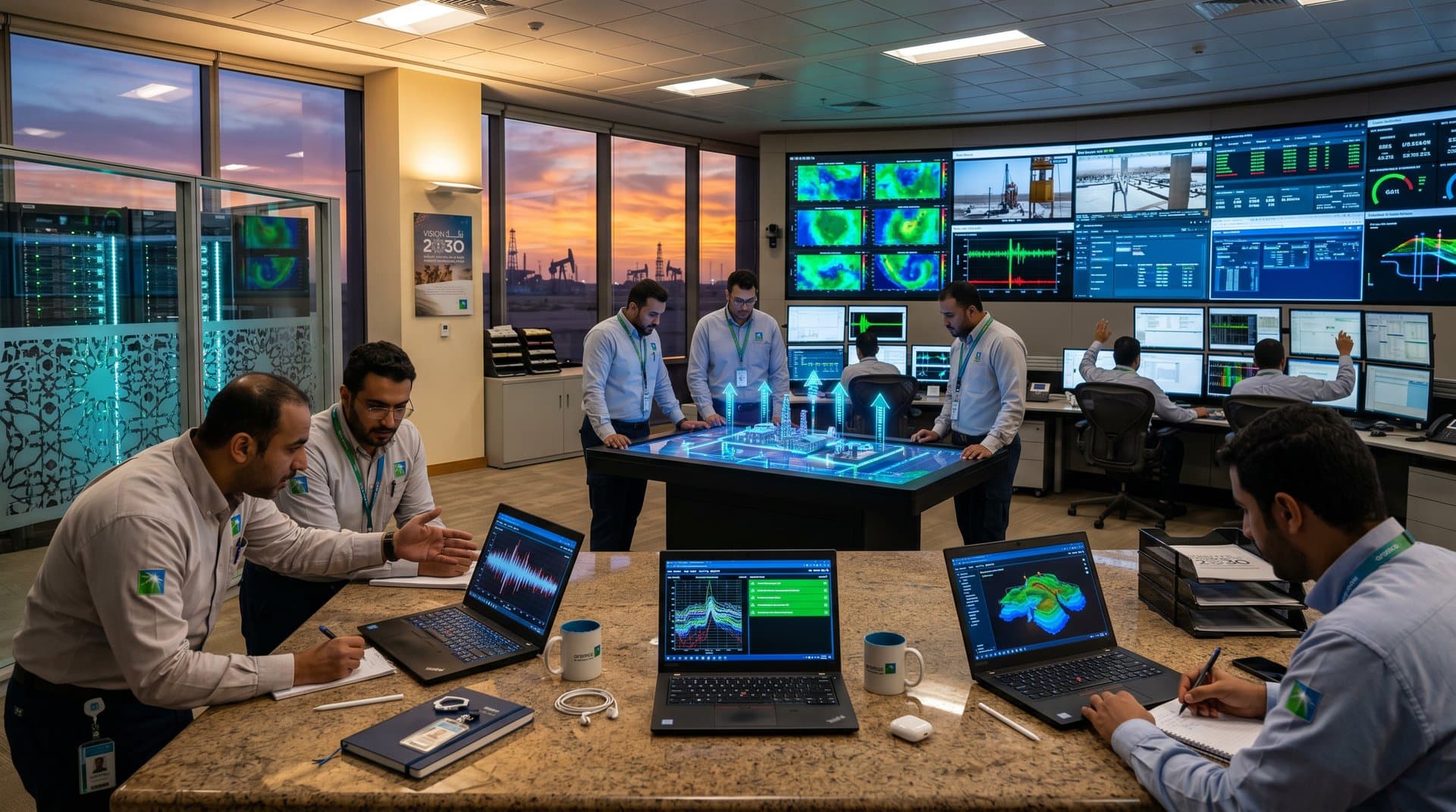
Blockchain dashboards at Dubai's Jebel Ali port track mock transits. IoT sensors hit 85% uptime in trials, per Gulf Navigation. A survey on April 9, 2026, shows 40% of captains delay wallet setups.
Blockchain Overhauls Gulf Trade Finance
Iran deploys 500 IoT buoys for real-time volume sensing across the strait. Data feeds Ethereum oracles to price the $1 USD toll per barrel. Deloitte estimates 95% accuracy in last month's simulations.
Gulf banks connect to IRANET via Mubadala-backed APIs for compliance. ADIA allocates $500 million USD to stablecoin reserves for hedging. Bahrain's AAOIFI drafts standards deeming 1:1 backed BTC halal for Islamic finance.
Energy Markets React to Iran Crypto Toll
Brent crude drops 2% to $78.50 USD per barrel on ICE. PIF sells $2 billion USD in futures hedges to protect Vision 2030 revenues. QIA boosts USDT holdings by 10%, per Bloomberg Terminal on April 10, 2026.
Singapore's MPA mandates crypto stress tests for Gulf route tankers. Dubai's VARA fast-tracks licenses for 12 oil-blockchain startups. UAE Central Bank reports 22% trader crypto wallet adoption, up from 15% in January 2026.
Implementation Hurdles Slow Iran Crypto Toll
Sanctions block 60% of Iran's toll inflows via SWIFT alternatives, per Chainalysis Q1 2026. US Treasury flags 17 crypto mixers linked to Tehran on April 9, 2026. Lloyd's raises premiums 5% for non-compliant voyages.
IRANET processes 10,000 transactions per hour at peak but sees 30% failures from congestion. Gulf firms prefer Binance Chain's 1.2 million daily transactions. Fujairah bunker traders test QR payments for loads below 100,000 barrels.
GCC Pivots to Digital Trade Amid Iran Crypto Toll
GCC leaders convene in Riyadh on April 12, 2026, to standardize blockchain defenses. Saudi NEOM deploys AI for rerouting optimization by 2028. UAE targets 50% crypto oil trades by 2030 under its fintech agenda.
Iran's crypto toll accelerates Gulf fintech innovation. McKinsey's Gulf 2030 model forecasts $15 billion USD regional GDP gain from digital trade shifts. Wallet adoption targets 70% by Q4 2026 as energy finance shifts to decentralized rails.