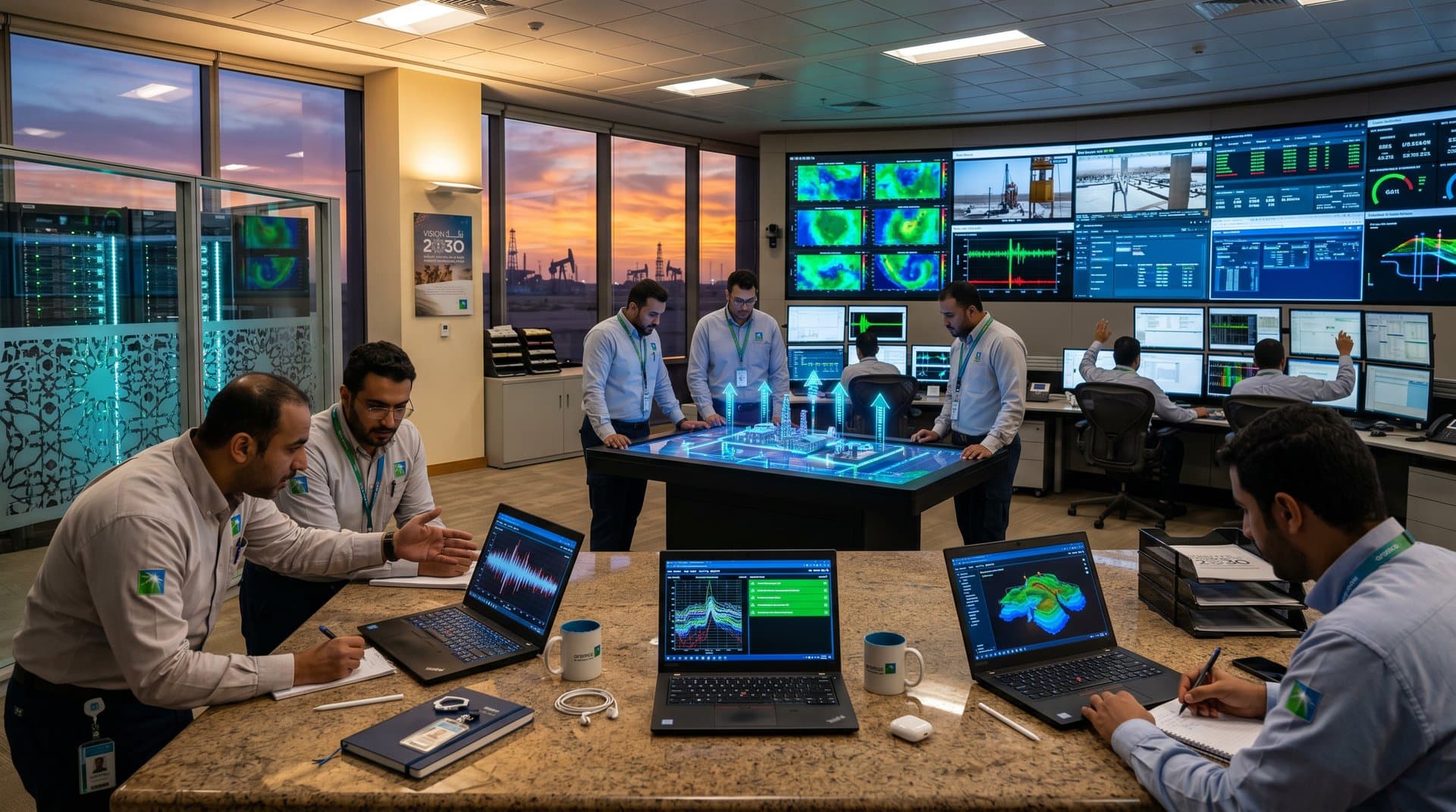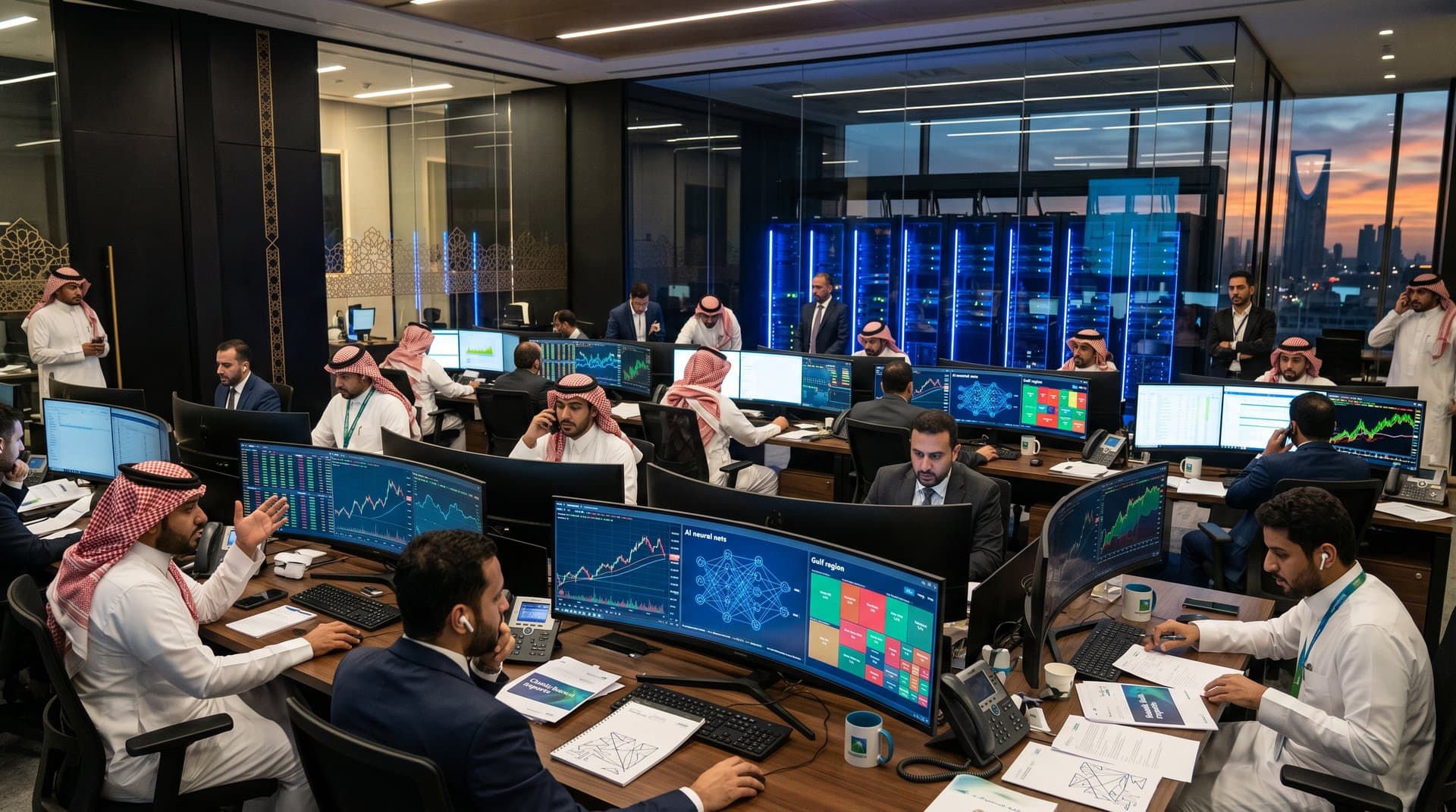
Iran crypto tolls for oil tankers transiting the Strait of Hormuz target 20% of global oil flows. The Financial Times reported this on April 10, 2026. Officials seek fees in Bitcoin or stablecoins.
By Omar Khalil GulfNNews.com April 10, 2026
Tankers face demands for tolls in BTC or USDT upon entry. A Saudi Aramco supertanker carrying 2 million barrels tested the system last week. Captains report automated blockchain wallets linked to Iranian ports.
Iran Crypto Toll Mechanism
Iranian authorities installed blockchain scanners at Bandar Abbas port on April 8, 2026. Vessels scan QR codes to pay tolls averaging $50,000 USD per transit, CoinDesk data shows. Ethereum smart contracts verify payments.
Tehran prefers USDT for stability, with BTC as an option. Transactions settle in under 10 minutes via the Tron network, FT sources confirm. Over 50 tankers complied since rollout.
The system bypasses SWIFT restrictions. Iran processes $200 million USD in crypto tolls monthly, National Iranian Oil Company executives claim.
Strategic Push Amid Sanctions
Iran accelerates crypto adoption to evade U.S. sanctions. The country mined 5% of global Bitcoin in 2025, Chainalysis reports show. Tehran now monetizes the strait, vital for Qatar and UAE exports.
Bitcoin trades at $72,219 USD, up 1.6% today, CoinDesk data indicates. Ethereum reached $2,217.81 USD, gaining 1.9%. The Fear & Greed Index stands at 16, signaling extreme fear.
Tehran views crypto as a hedge. Officials cite Russia's Gazprom blockchain use for gas sales to China. Iran's approach echoes Venezuela's Petro token efforts in 2023.
Disruptions to Gulf Trade Finance
Gulf shippers scramble to adapt. Saudi Aramco traders report 15% delays in Hormuz transits, Bloomberg data from April 9, 2026, reveals. Traditional USD letters of credit conflict with volatile crypto payments.
QatarEnergy risks $10 million USD losses per tanker if tolls rise. Trafigura shifts to crypto custody via Binance, managing $500 million USD in client assets.
UAE's Fujairah ports record 30% more rerouting bids, Jebel Ali Free Zone Authority data shows. Blockchain strains legacy SAP ERP systems.
Heightened Blockchain Risks in Energy
Crypto volatility endangers energy finance. A 10% BTC drop wipes $5 million USD from toll value per 100 tankers, Deloitte analysis states. Saudi PIF holds $2 billion USD in crypto exposure.
XRP trades at $1.34 USD; BNB at $602.53 USD, CoinMarketCap reports. Smart contract hacks like the $600 million USD Ronin breach in 2022 pose threats.
Iran's system lacks insurance. PwC auditors warn of 40% non-compliance risks from KYC gaps. Gulf states call for IMF oversight on transit fees.
Riyadh and Abu Dhabi regulators test CBDCs. Saudi Arabia's SAR pilot processes $100 million USD daily, SAMA data confirms. UAE's digital dirham settles 20% of Dubai trade, Central Bank of the UAE reports.
Global Digital Trade Comparisons
Singapore's TradeTrust blockchain cuts oil shipment times by 40%, Enterprise Singapore states. Estonia's e-Residency manages $1 billion USD in crypto trade yearly.
South Korea's K-OTC platform handles $50 billion USD in energy derivatives. Gulf efforts lag; NEOM launches blockchain hub phase one in 2027.
Iran's crypto toll forces acceleration. Bahrain's fintech sandbox tests prototypes for King Fahd Causeway.
Gulf Responses and Mitigation
GCC nations hold emergency talks in Doha on April 10, 2026. Qatar pushes unified blockchain standards through the Gulf Cooperation Council. UAE's TRA approves crypto wallets for 500 shipping firms.
ADNOC integrates Circle's USDC for payments. Pilots achieve 99% uptime versus Bitcoin's 85% settlement rate. Mubadala invests $300 million USD in ConsenSys.
AXA insurers extend coverage to crypto tolls. Premiums rise 25% for Hormuz routes, Lloyd's of London quotes.
Outlook for Energy Blockchain
Iran's crypto toll initiative eyes $1 billion USD annually at 80% compliance, FT models predict. Gulf trade finance shifts 15% to blockchain by 2028, McKinsey forecasts.
Saudi Aramco trains 60% of tanker captains on wallets. Dubai's DMCC launches Hormuz crypto index today.
Iran crypto toll risks linger amid market fear. BTC dominance at 52% provides stability, but regulatory tensions persist. Gulf tech hubs in Riyadh and Manama lead the charge.
Omar Khalil covers technology at GulfNNews.com. He tracks smart cities, AI, and digital transformation in the Gulf.