Iran imposes a $1 per barrel Strait of Hormuz toll, payable only in cryptocurrency, starting April 10, 2026, IRNA reports. The policy targets 21 million barrels per day through the strait, per U.S. Energy Information Administration data.
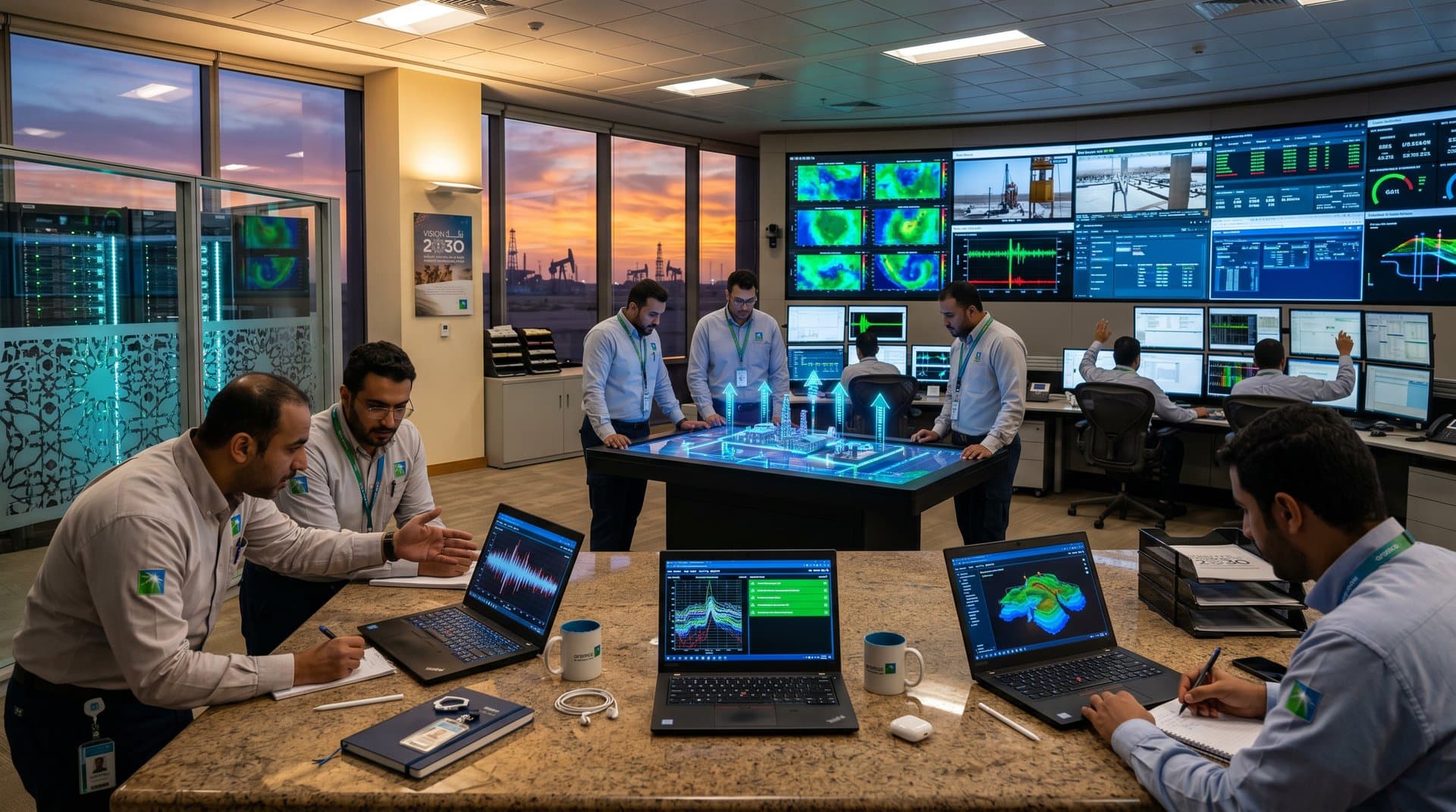
Saudi Aramco tankers execute wallet transfers in Bitcoin or Ethereum before entry. Captains await blockchain confirmations mid-voyage. Oil traders integrate crypto wallets into shipping software.
Toll Mechanics and Crypto Requirements
IRNA detailed the Strait of Hormuz toll mechanics. Shippers deploy Ethereum smart contracts on a permissioned blockchain. They scan QR codes at Hormuz checkpoints to initiate transfers.
Iran accepts BTC at $73,170 (up 1.6%, CoinMarketCap), ETH at $2,251.61 (up 1.7%), and USDT at $1.00. Iran's Central Bank manages collections via a multisig wallet. Public explorers enable real-time audits.
Chainlink oracles verify oil volumes against manifests and satellite data. Daily revenue reaches $21 million USD equivalent, per EIA transit figures. The system supports sharia-compliant tokenized assets.
Market Reactions Grip Gulf Bourses
Crypto's Fear & Greed Index hit 16 (Extreme Fear), Alternative.me data shows. NYMEX oil futures fell 2.3% to $82.50 USD per barrel. Saudi Tadawul dropped 1.8%, UAE ADX 1.5%, Qatar QE Index 1.2%.
Traders highlight BTC volatility: A 5% drop erases $1 million USD toll value for 1 million barrels. Bloomberg notes $500 million USD in hedging trades on Dubai and Riyadh desks.
Dubai VARA issued wallet guidelines. UAE fintechs Rain and BitOasis expand Ethereum pools. Shipowners adopt Fireblocks multisig for custody.
GCC Sovereign Funds Counter with Blockchain Strategies
Saudi PIF met GCC energy ministers to assess blockchain bypasses. UAE Mubadala advances tokenized oil platforms in ADGM sandbox.
Qatar QIA invests $200 million USD in crypto custody, Reuters reports. Bahrain Central Bank tests SAR-pegged stablecoins. Dubai DMCC links MetaMask to exactEarth tracking.
Dubai Maritime Authority reports 40% pilot tanker adoption. Blockchain adds 15% delays but cuts fraud 30%, per internal data.
Enforcement Technologies and Naval Challenges
Iran deploys 50 drone scanners over the strait, linked to Ethereum nodes. Drones confirm payments in under 10 minutes, IRNA states. Non-payers face denial and freezes.
Ethereum gas fees spiked to 50 gwei, Etherscan shows. Singapore MPA contrasts with 95% TradeTrust adoption.
UAE EDGE Group provides AI evasion analytics via AIS feeds. Saudi and UAE navies increase patrols with quantum-secure comms. GCC explores sovereign Layer-2 networks.
Fintech Pressures Reshape GCC Energy Finance
Wood Mackenzie estimates 1.2% added export costs. Saudi Aramco accelerates Vision 2030 hydrogen pipelines with $10 billion USD.
Bahrain AAOIFI approves USDT fatwa for sharia transactions. Riyadh Adtech Valley launches Solana DEX for toll hedging.
Doha real estate dips 0.8%. Qatar Airways hedges fuel via ETH futures on Dubai exchanges. Riyadh tracks $1.5 billion USD daily exposure, IMF data.
Saudi SAMA pilots riyal CBDC for oil trades. Abu Dhabi ADGM FSRA approves tokenized sukuk hedging.
Global Benchmarks Inform Gulf Strait of Hormuz Toll Response
Suez Canal charges $9 USD per ton via banks. Iran's move echoes Venezuela Petro in 10% state trades.
South Korea Busan processes $2 billion USD trade tokens yearly. GCC ports like NEOM study models. Deloitte predicts 20% oil tokenization by 2030.
Gulf Accelerates Blockchain to Master Strait of Hormuz Toll
PIF pledges $5 billion USD to crypto infrastructure. GCC pilots target July 2026 rollout at 90% verification.
Iran eyes $7.6 billion USD annual DeFi revenue despite BTC swings. Gulf blockchains ensure resilience.
Shippers use Chainalysis for AML. Fintech turns Strait of Hormuz tolls into programmable gateways. GCC leads energy blockchain amid tensions.
Omar Khalil reports from Dubai.
April 10, 2026