By Omar Khalil April 10, 2026
Iran's crypto oil tolls demand $1 per barrel on all oil passing through the Strait of Hormuz, payable exclusively in cryptocurrency. Tehran announced the policy on April 10, 2026, via state media. Gulf tankers integrate crypto wallets into shipping operations.
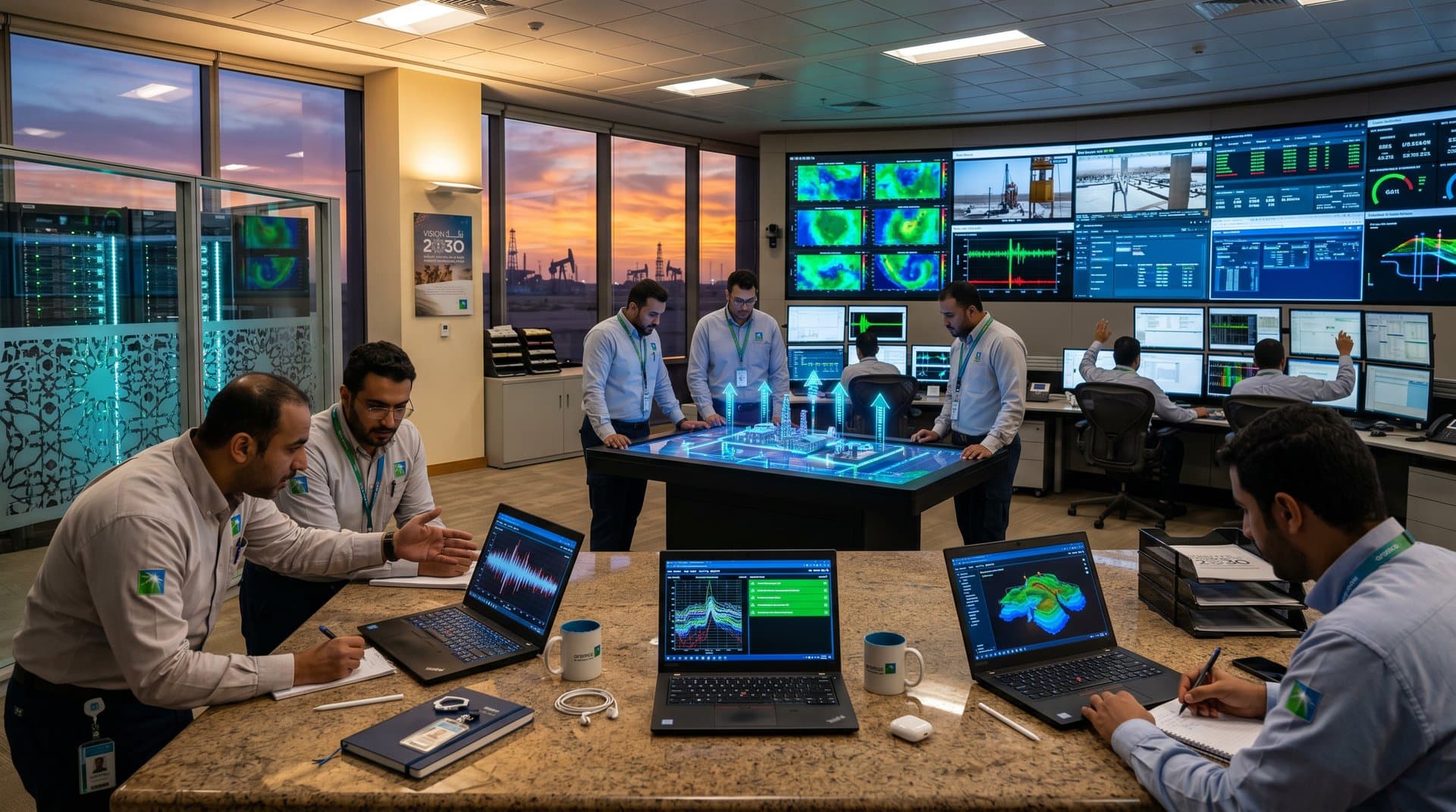
A very large crude carrier (VLCC) departs Ras Tanura with 2 million barrels of Saudi crude. The captain verifies cargo volume via satellite data. He transfers $2 million in Bitcoin to an Iranian state wallet before entering the strait.
Iran's Crypto Oil Tolls Mechanism
Iran's Islamic Revolutionary Guard Corps (IRGC) oversees enforcement. Ships scan QR codes at Bandar Abbas checkpoints for blockchain verification. Iran's Kowsar blockchain platform processes 1,000 transactions per second, per Tehran University researchers.
Payments settle in BTC, ETH, or USDT. CoinMarketCap lists BTC at $73,205 USD, ETH at $2,248.87 USD, and USDT at $1.00 USD on April 10, 2026. The Crypto Fear & Greed Index stands at 16, signaling extreme fear.
Tehran cites sanctions compensation. The strait handles 21 million barrels per day, or 21% of global oil trade, per U.S. Energy Information Administration (EIA) Q1 2026 data. Iran generates $21 million USD daily at current volumes.
Gulf Exporters Scramble for Solutions
Saudi Aramco halts five VLCC loadings from Yanbu. ADNOC reroutes two supertankers via Bab el-Mandeb, adding 5-7 days and $500,000 USD per voyage in fuel costs, per Ras Tanura shipping agents.
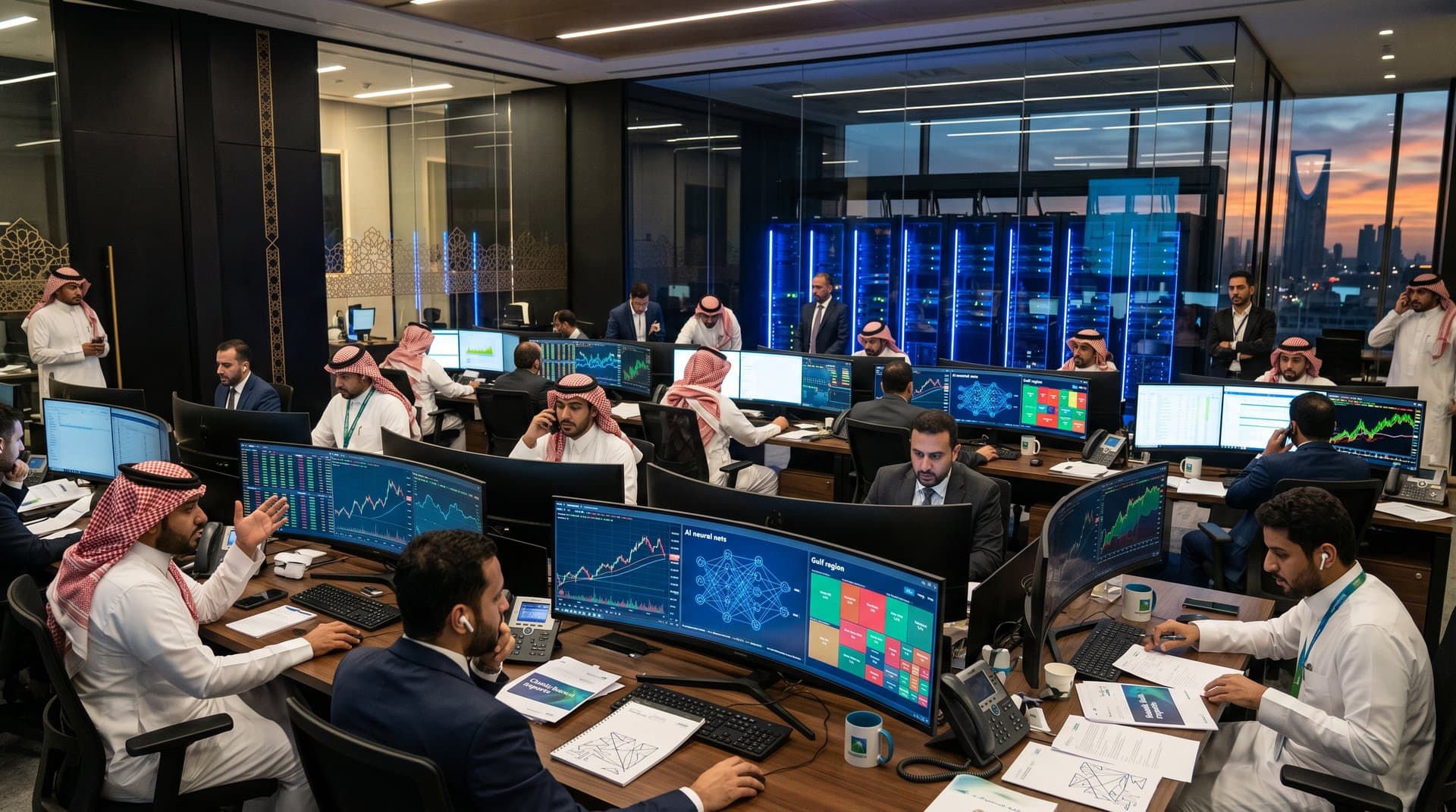
QatarEnergy consults QIA on crypto custody. Dubai's DMCC Crypto Centre offers escrow services. Traders test Ethereum smart contracts for automated toll deductions using Platts oracle feeds.
AIS trackers show 15 tankers idling off Hormuz from Jebel Ali port. Captains weigh USDT stability against BTC upside. A UAE broker reports $1 million USD in daily OTC crypto trades spiking 40% on April 10, 2026.
Technical Challenges in Crypto Oil Payments
Blockchain tolls demand immutable cargo proofs. Iran's system uses IoT sensors on buoys for real-time flow metering, accurate to 0.5%, per IRGC specs. Smart contracts execute payments on strait exit.
Volatility creates risks. BTC rose 0.8% to $73,205 USD on April 10, 2026. A 5% drop cuts Iran's revenue by $1 million USD daily on 21 million barrels. Gulf firms favor USDT, stable at $1.00 USD, per Tether data.
Aramco's SAP ERP lacks native crypto modules. ConsenSys consultants deploy bridges at $2-5 million USD per major operator, per Dubai bids.
Singapore's TradeTrust handles 80% digital shipping docs with zero blockchain failures since 2020. Estonia's e-Residency verifies 1.5 million cross-border payments yearly. Gulf states reach 15% digital adoption, per World Bank 2026 report.
Finance Sector Ripples Across GCC
PIF allocates $500 million USD to crypto infrastructure via SoftBank Vision Fund 3. Mubadala tests Ripple's XRP Ledger for $100 million USD oil trades; XRP trades at $1.36 USD on April 10, 2026.
QIA eyes BNB Chain pilots; BNB stands at $609.59 USD. UAE's AAOIFI standards approve asset-backed stablecoins. SAMA issues $1 billion USD digital riyal bonds.
Oil majors hedge via CME futures. Brent crude rises $2.50 USD to $82 USD per barrel on NYMEX, adding 2% Hormuz risk premium, per CME Group data. GCC banks like FAB see $300 million USD in derivatives demand.
Enforcement and Geopolitical Realities
IRGC patrols deploy 50 fast-attack boats and drone swarms. Non-payers risk boarding, as in 2019 tanker seizures. U.S. Fifth Fleet shadows 10 VLCCs on April 10, 2026, Pentagon confirms.
Russia sells 500,000 barrels daily in BTC since 2024, bypassing SWIFT. Volumes grow 25% yearly, per Argus Media. Iran targets $7.6 billion USD annually.
Gulf navies coordinate via IMSC. UAE's EDGE Group supplies 20 unmanned vessels. Starlink ensures 99.9% uptime for crypto confirmations.
Outlook for Digital Energy Trade
Iran's crypto oil tolls deployment begins May 1, 2026, with 10% of transits. Full rollout by Q4 covers 100,000 daily barrels. Metrics target 95% compliance and under 1% disputes.
Bahrain's FinHub launches Hormuz Toll API, integrating 50 exchanges. ADGM approves three custodians for $10 billion USD oil-crypto pools. Lloyd's List projects 70% tanker compliance by July, positioning Gulf as blockchain hub rivaling Singapore's 60% Asia digital trade share.