- 1. Bitcoin drops 1.6% to $75,027 USD post-hack ($1.503T cap).
- 2. Fear & Greed Index hits 33 amid evasion disruptions.
- 3. Gulf regulators like VARA heighten scrutiny on inflows.
The Kyrgyz crypto exchange hack on October 10 severs Russian sanctions evasion channels linked to Gulf finance hubs. Bitcoin plunges 1.6% to $75,027 USD with a $1.503 trillion market cap. The Fear & Greed Index drops to 33, per Alternative.me data.
Ethereum falls 1.4% to $2,299.50 USD ($277.7 billion cap). USDT holds steady at $1.00 USD ($187.9 billion cap), while USDC remains at $1.00 USD ($78.0 billion cap), according to CoinGecko. This Kyrgyz crypto exchange hack exposes vulnerabilities in Central Asian platforms that route illicit funds to Dubai's VARA and Abu Dhabi's ADGM.
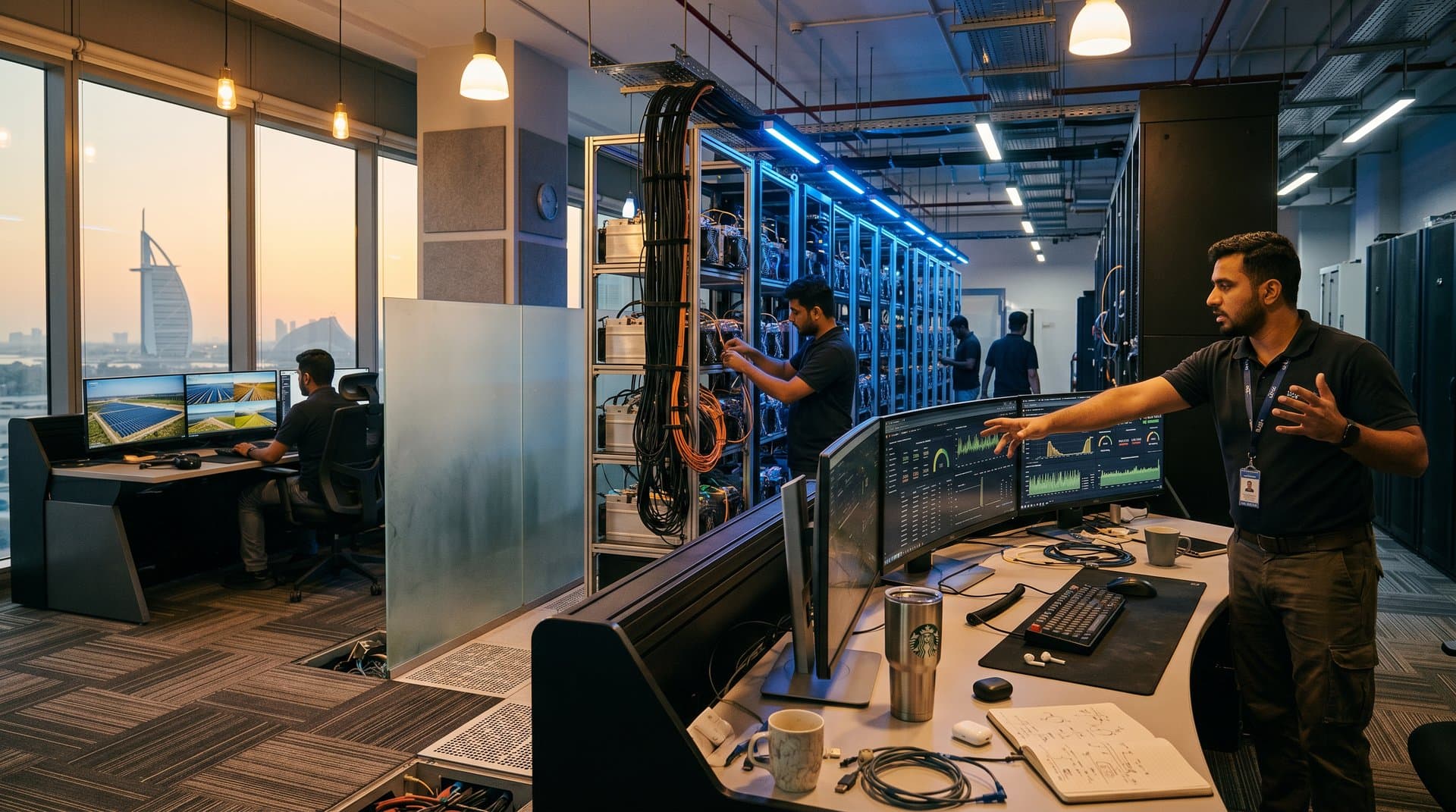
DIFC traders monitor developments closely. Kyrgyz exchanges process high Russian volumes to bypass SWIFT restrictions. Gulf investors now reassess these high-risk evasion pathways.
Russian Evasion Tactics Rely on Kyrgyz Exchanges Near Moscow
Russia turns to crypto after Western sanctions cut SWIFT access. Kyrgyz platforms offer lax oversight and geographic proximity to Moscow. They handle ruble-to-USDT conversions that feed into Gulf financial ecosystems, per Chainalysis data.
Dubai's VARA licenses over 40 firms, enabling seamless stablecoin trades. The Kyrgyz crypto exchange hack disrupts peer-to-peer operations that evade Chainalysis tracking. Chainalysis reports reveal Russia-linked illicit crypto volumes exceed $10 billion USD annually.
These Kyrgyz nodes convert funds into stablecoins, granting access to regulated Gulf markets like ADGM's sandbox. Reuters confirms rising crypto use in such evasion tactics.
Kyrgyz Crypto Exchange Hack Triggers Gulf Finance Scrutiny
Mubadala and Saudi's PIF approach crypto integrations cautiously amid Vision 2030 goals. The hack accelerates inbound flow verifications. ADGM's FSRA now elevates stablecoin risk assessments in its regulatory sandbox.
Bitcoin's dip to $75,027 USD signals broader market contagion. Russians previously laundered funds into Gulf real estate via crypto bridges. VARA mandates transaction monitoring, yet such breaches undermine investor confidence.
- Asset: BTC · Price (USD): 75,027 · 24h Change: -1.6% · Market Cap (B USD): 1,503
- Asset: ETH · Price (USD): 2,299.50 · 24h Change: -1.4% · Market Cap (B USD): 277.7
- Asset: XRP · Price (USD): 1.41 · 24h Change: -1.1% · Market Cap (B USD): 87
- Asset: SOL · Price (USD): 84.53 · 24h Change: -1.5% · Market Cap (B USD): 49
- Asset: TRX · Price (USD): 0.33 · 24h Change: +1.3% · Market Cap (B USD): 32
Tron defies the downturn, rising 1.3% to $0.33 USD, per CoinGecko metrics.
Gulf Regulators Ramp Up Response to Kyrgyz Crypto Exchange Hack
VARA fast-tracks enhanced KYC protocols ahead of Europe's MiCA rollout in 2026. Dubai deploys AI-driven anomaly detection systems across licensed exchanges. ADGM integrates CoinGecko real-time data feeds for compliance.
Saudi's SAMA pilots Sharia-compliant digital wallets. GCC-wide task forces address emerging threats. Russians reroute flows, necessitating advanced forensic tools from firms like Chainalysis.
The Fear & Greed Index at 33, sourced from Alternative.me, curbs Riyadh's fintech funding rounds. Qatar Financial Centre demands proof of crypto fund origins for all inflows.
Evasion Shifts Strain Gulf Tech Infrastructure and Exchanges
Moscow pivots to Tron and BNB chains for continuity. BNB slides 0.7% to $626.09 USD ($84.4 billion cap). Bahrain's Rain exchange flags suspicious volume spikes.
Reuters reports highlight growing crypto sanction evasion trends. The Kyrgyz crypto exchange hack funnels more Russians toward Gulf on-ramps, testing VARA's capacity.
Doha expats track Solana's 1.5% decline to $84.53 USD. Dubai's Crypto Oasis halts select Central Asian partnerships pending audits. Chainalysis tools help trace these shifts.
Kyrgyz Crypto Exchange Hack Reshapes Gulf Sovereign Investments
Saudi PIF acquired BlackRock Bitcoin ETFs in January 2024, per Bloomberg reports. BTC's drop to $75,027 USD prompts portfolio rebalancing. Abu Dhabi's ADIA monitors Ethereum's $277.7 billion cap closely.
Qatar's QIA evaluates Solana infrastructure deals. The hack amplifies DeFi oracle vulnerabilities. UAE's Mashreq Bank trials permissioned blockchains for stability.
NEOM's smart city pilots adopt caution amid Fear & Greed at 33. Oman audits lingering Kyrgyz ties. Bahrain's Central Bank tightens sandbox entry criteria.
Gulf regulators prepare deeper probes into evasion networks. Crypto flows may stabilize, but Kyrgyz crypto exchange hack effects will linger in compliance frameworks.
Frequently Asked Questions
What sparked the market dip from Kyrgyz crypto exchange hack?
Bitcoin falls 1.6% to $75,027 USD. Fear & Greed hits 33. Gulf monitors evasion vulnerabilities.
How does Kyrgyz crypto exchange hack hit Russian evasion?
It severs ruble-to-USDT swaps to Gulf hubs like VARA. Shifts strain Dubai compliance.
Why link Gulf networks to Kyrgyz crypto exchange hack?
Russians route via Central Asia to VARA and ADGM. Hack prompts MiCA-aligned KYC.
Fear & Greed after Kyrgyz crypto exchange hack?
At 33, signaling fear. BTC holds $1.503T cap; USDT steady at $1.00 USD.