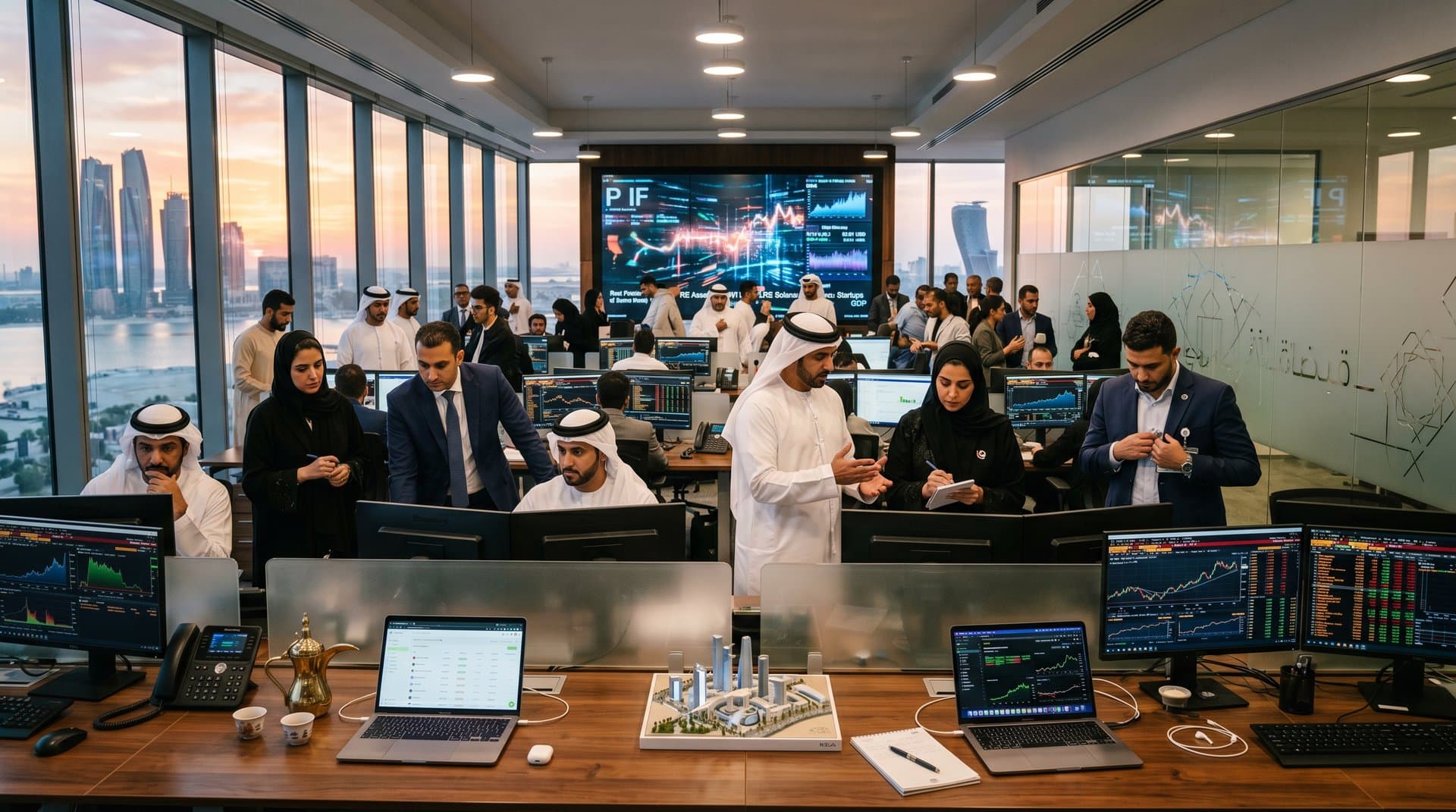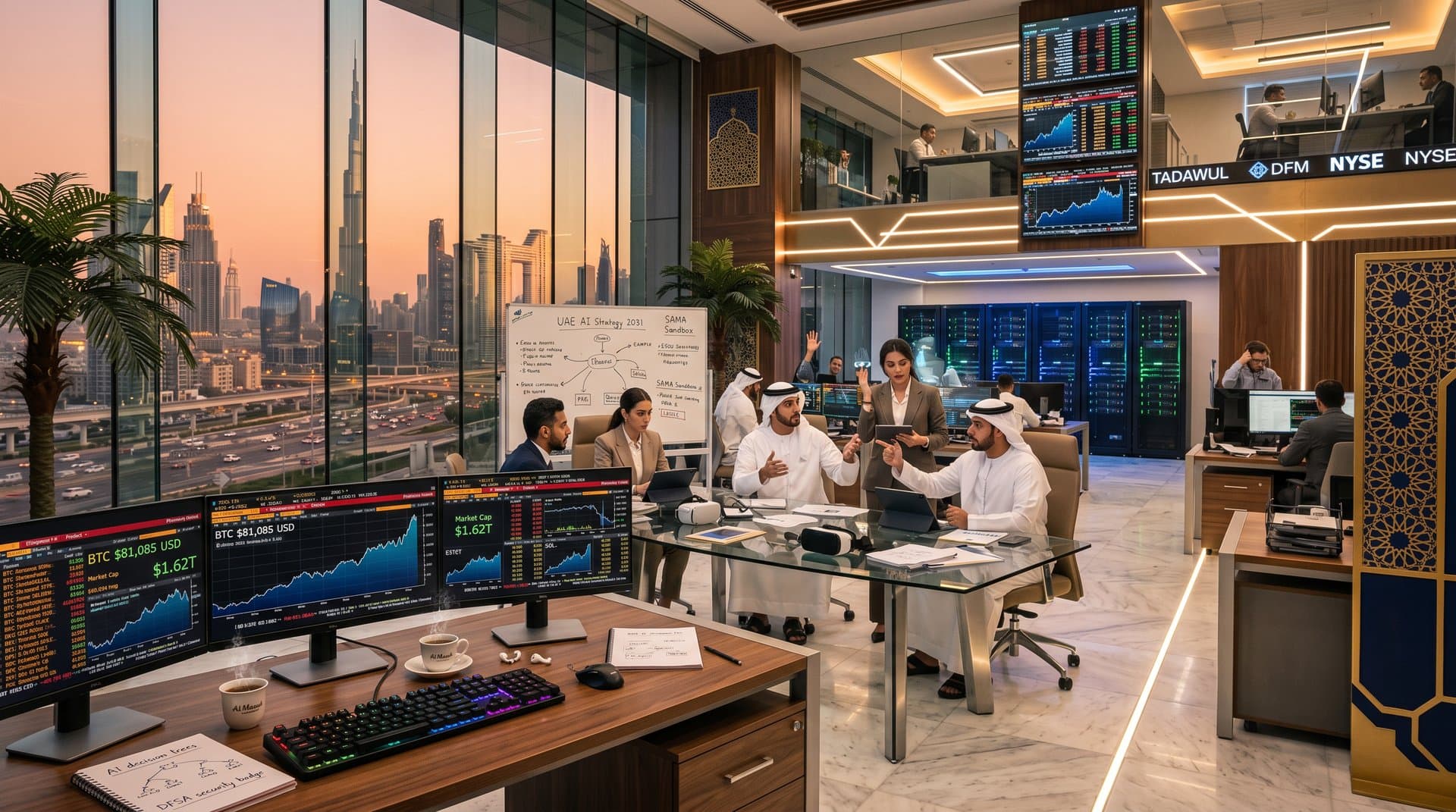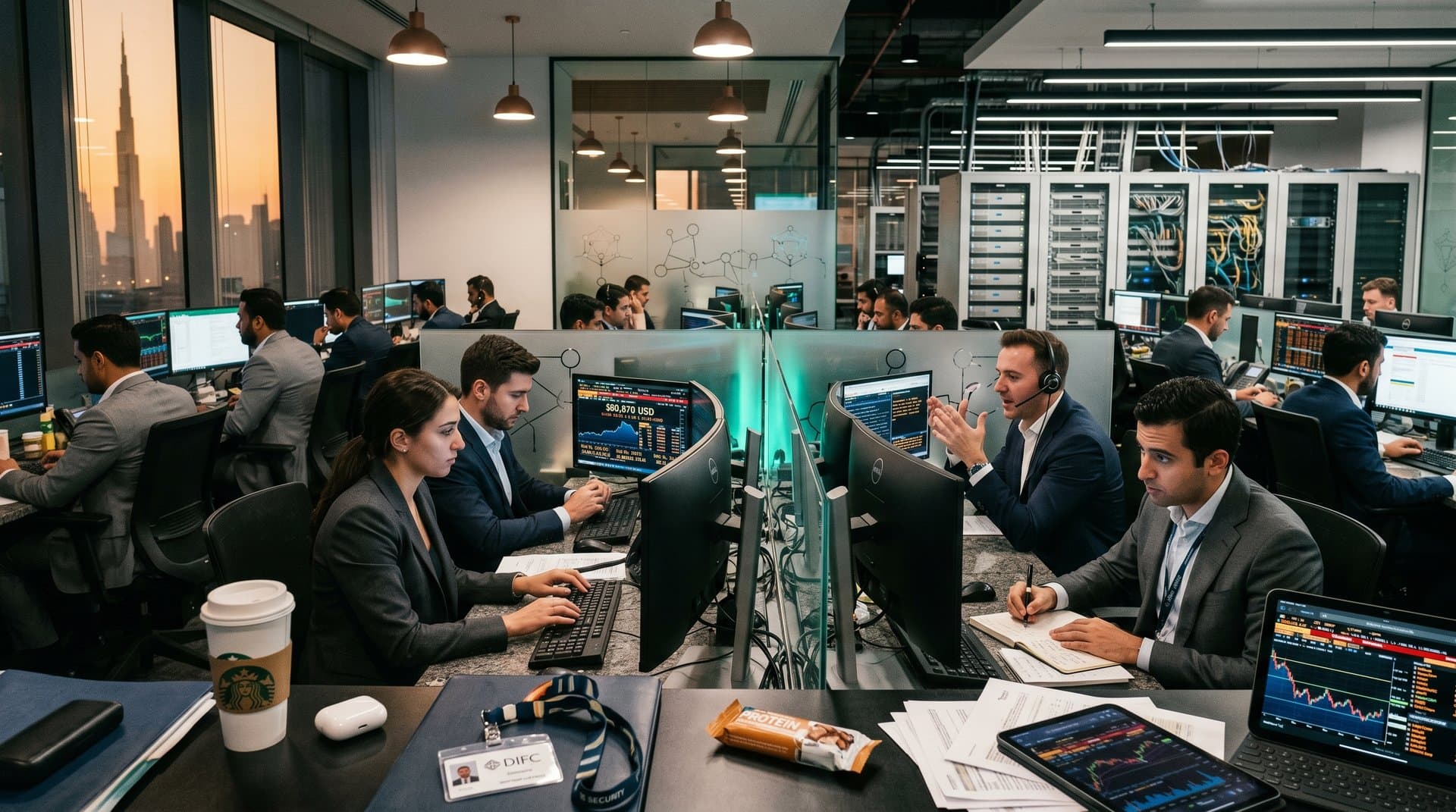
- 1. North Korea cryptocurrency theft hits $700M on April 16, 2026, largest of year.
- 2. Fear & Greed Index drops to 23 amid Bitcoin fall to $74,582 USD.
- 3. UAE VARA, SAMA, and Bahrain enhance cyber defenses with AI and regulations.
North Korea cryptocurrency theft hit $700 million USD on April 16, 2026. UAE-based صوت الإمارات attributes it to Pyongyang state actors. The hack plunged the Fear & Greed Index to 23. Bitcoin dropped to $74,582 USD.
State Actors Exploit Exchange Vulnerabilities
Hackers targeted multiple global exchanges. They stole $700 million USD and routed funds through mixers and bridges. صوت الإمارات details the operation's unprecedented scale.
Dubai's DMCC free zone hosts over 500 crypto firms. Bahrain's Central Bank issued 20+ digital asset licenses since 2019. A Reuters report states North Korea conducted most crypto hacks through 2024.
Fear & Greed Index Signals Extreme Market Panic
Bitcoin traded at $74,582 USD, down 0.2% on April 16, 2026. Ethereum rose 0.5% to $2,350.71 USD. XRP gained 2.3% to $1.39 USD.
BNB climbed 0.8% to $622.20 USD. USDT held at $1.00 USD. Traders sold risk assets as volatility surged, per Alternative.me data.
CoinDesk reports outline Lazarus Group tactics from $335 million USD thefts in 2022.
UAE VARA Mandates Robust Crypto Safeguards
Dubai's VARA requires KYC, audits, and real-time monitoring for licensed exchanges. Abu Dhabi Global Market (ADGM) operates blockchain regulatory sandboxes. Bahrain's sandbox approved 15 projects in 2025.
Qatar Financial Centre (QFC) draws institutional exchanges with tax incentives. These measures counter state-sponsored threats.
Saudi SAMA Pilots Secure Digital Assets
Saudi Arabian Monetary Authority (SAMA) tests CBDCs with 10 banks. Riyadh aims for $10 billion USD in tokenized assets by 2030. Public Investment Fund (PIF) invests SAR 2 billion in cybersecurity.
SAMA's stablecoin rules stress anti-money laundering compliance.
Sovereign Funds Boost Cyber Resilience
Mubadala allocates $500 million USD to AI-driven fraud detection startups. Abu Dhabi Investment Authority (ADIA) funds blockchain security protocols. PIF partners with Palo Alto Networks on Gulf data centers.
A Chainalysis report, cited by CoinDesk, tracks $1.5 billion USD laundered by North Korean hackers since 2017.
Dubai Platforms Adopt AI Defenses
Crypto firms in Dubai Internet City use multi-signature wallets. AI detects anomalies in milliseconds with 99% uptime. User base expands 40% annually despite hacks.
Bahrain trials quantum-resistant encryption. Saudi NEOM builds zero-trust security from inception.
Energy Sector Accelerates Tokenization
UAE's ADNOC pilots blockchain for $5 billion USD annual trades. Aramco develops Sharia-compliant utility tokens. Post-Ethereum merge, UAE controls 15% of regional mining hashrate.
VARA licensed five Islamic finance tokens in 2025, merging security and compliance.
Gulf Regulation Counters North Korea Cryptocurrency Theft Risks
DIFC offers innovation licenses to global exchanges. SAMA fast-tracks stablecoin frameworks. A Financial Times article spotlights Gulf regulatory momentum.
Gulf hubs lead secure crypto growth. AI firewalls and strict rules ensure resilience against North Korea cryptocurrency theft threats.