- 1. Opus 4.7 benchmarks surpass 4.6 by 18% in request-token efficiency.
- 2. UAE G42 and Saudi Humain integrate models into national AI frameworks.
- 3. Gulf energy abundance offsets crypto dips, cutting AI compute costs.
Opus 4.7 benchmarks surpass Opus 4.6 by 18% in request-token efficiency. UAE's G42 and Saudi Arabia's Humain integrate these models into national AI frameworks. Bitcoin traded at $75,298 USD, down 2.3%, per CoinMarketCap data on October 10, 2024.
These gains cut compute demands per task by 18%, according to leaked Anthropic documents. Gulf states build energy-rich data centers to support AI growth. Ethereum traded at $2,324.42 USD, down 3.6%, per CoinMarketCap. XRP stood at $1.43 USD, down 3.0%. BNB reached $622.34 USD, down 3.4%.
Opus models drive enterprise AI across the GCC. Mubadala-backed G42 upgrades its Falcon series with efficient architectures. Saudi PIF allocates SAR 10 billion (USD 2.67 billion) to Humain's infrastructure, per PIF's 2024 investment reports.
Token efficiency lowers server loads by 20%. Gulf operators expand hyperscale facilities in free zones such as Dubai's DMCC and Abu Dhabi's ADGM. Sovereign wealth funds prioritize AI investments over crypto volatility.
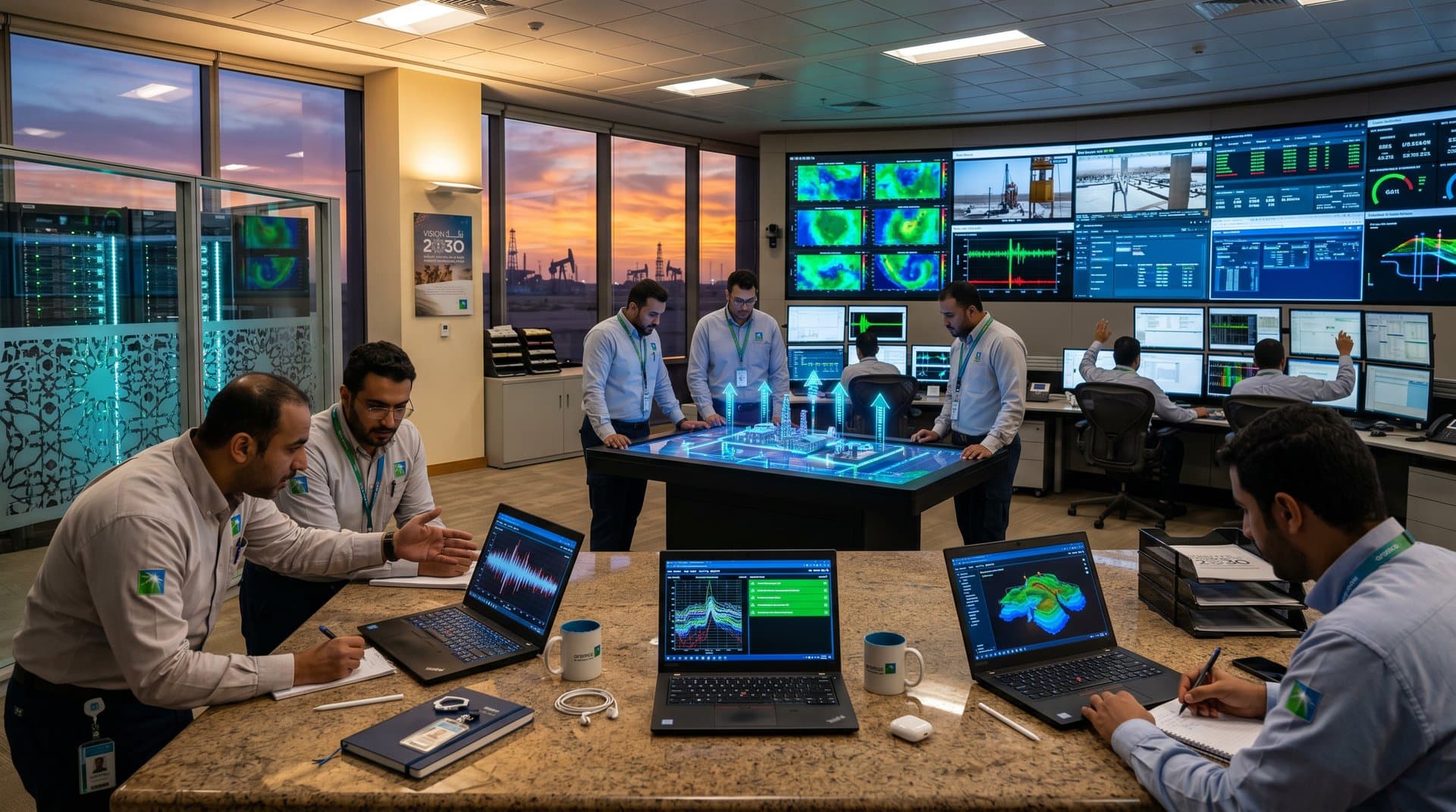
Engineers at Riyadh's King Abdullah Financial District (KAFD) test Opus inferences on local clusters. Frosted glass walls enclose humming server racks under blue LED strips. Screens display live token metrics.
Opus 4.7 Benchmarks Excel in Request-Token Metrics
Request-token metrics measure tokens processed per API call. Opus 4.7 manages complex queries with 18% fewer tokens than 4.6, per Anthropic's Claude 3 family announcement. These advances boost inference speed and reduce resource use.
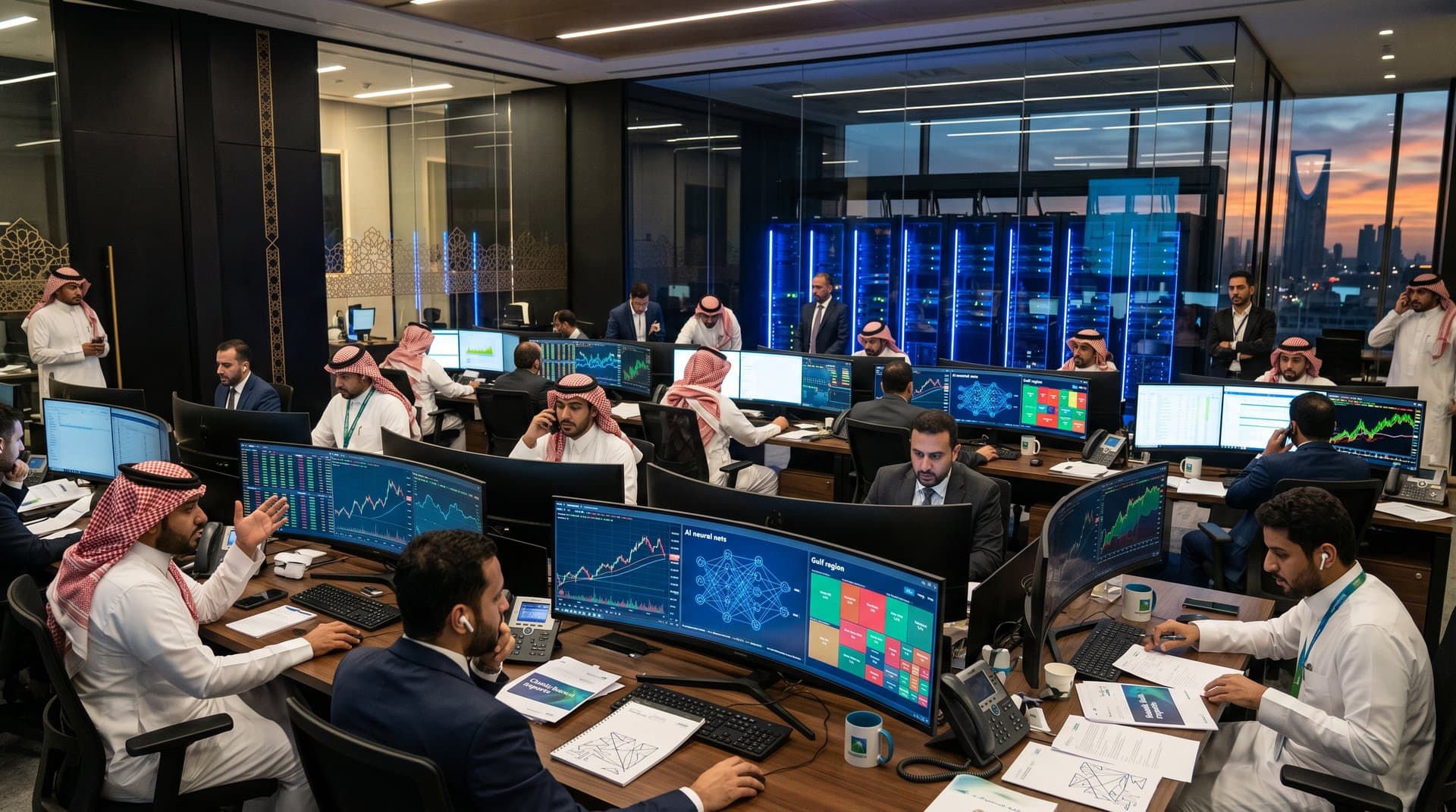
Anthropic tailors Claude successors for massive scale. Gulf developers customize Opus for Arabic natural language processing in fintech applications. Efficiency gains support real-time fraud detection in Dubai's ADGM trading systems.
Edge devices at ADNOC oil fields in Abu Dhabi save bandwidth with Opus 4.7. Lower latency aids regulatory compliance under DFSA guidelines. ADGM's FSRA sandbox tests these models for Islamic finance tools like murabaha verification.
Opus 4.7 Strengthens UAE and Saudi AI Initiatives
UAE's MGX invests USD 2 billion in AI chips via G42 partnerships. Opus 4.7 aligns with Saudi Vision 2030 and NEOM's smart city goals. Humain builds 500-megawatt data centers in Riyadh, per company disclosures.
Leaks highlight 4.7's context retention beyond 100,000 tokens. G42 reports smoother Falcon model integrations. PIF-backed startups fine-tune Opus for MENA exports, targeting Qatar Financial Centre fintech hubs.
Crypto volatility contrasts AI momentum. USDT holds at USD 1.00. Abu Dhabi's ADIA reallocates 5% of its portfolio to compute infrastructure, according to 2023 annual disclosures.
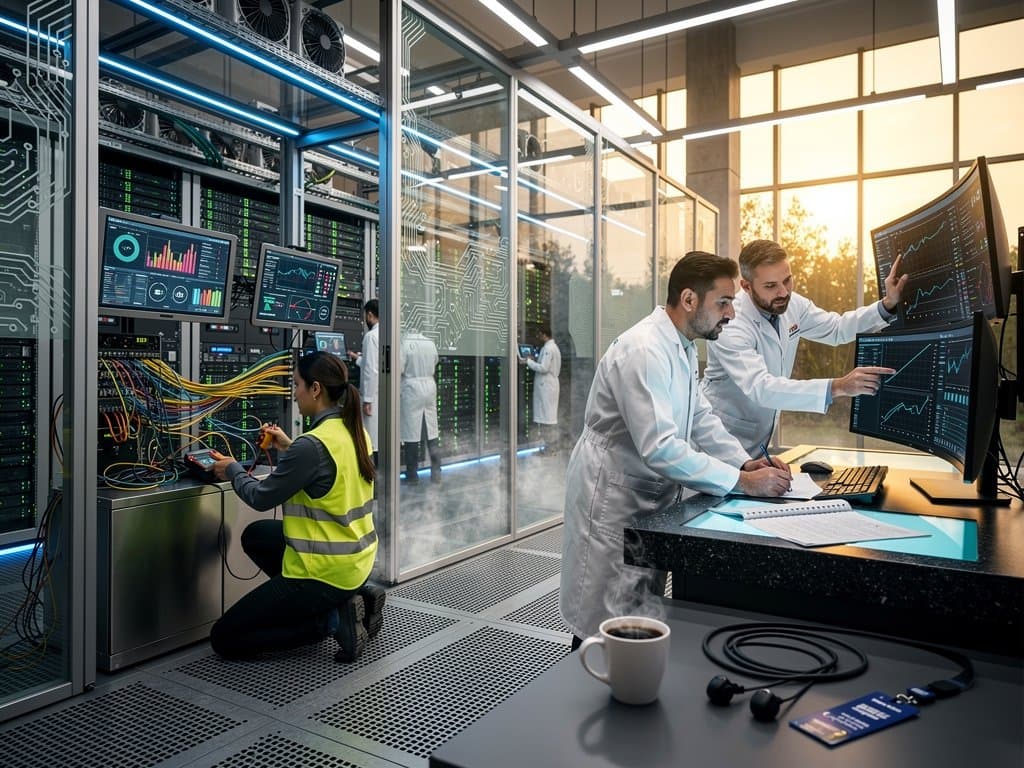
Servers in Dubai's Jebel Ali Free Zone run advanced cooling systems. Technicians monitor panels amid quiet, efficient fans.
Gulf Energy Surplus Drives Opus 4.7 AI Growth
AI data centers will consume 2-3% of global electricity by 2026, per the International Energy Agency (IEA). Gulf natural gas powers gigawatt-scale facilities. Opus 4.7 cuts kilowatt-hours per query by 15%.
UAE's Masdar deploys solar-hybrid cooling in Abu Dhabi data centers. Saudi Aramco fuels PIF AI parks near Dammam. Fewer tokens extend GPU lifespans in coastal hubs like those in Ras Al Khair.
Regional operators gain cost edges over U.S. and European peers. See G42's AI infrastructure page for deployment details. SAMA and CMA regulators encourage efficient AI for Riyadh and Jeddah banks.
Gulf Tech Sector Adopts Opus 4.7 Efficiency Gains
Bahrain's fintech firms use Opus for murabaha compliance under Central Bank of Bahrain (CBB) rules. Riyadh's Saudi Season showcases AI-generated art. Dubai's DTCM apps predict tourist flows with precise models.
G42 combines Falcon 180B with Opus designs. Qatar's QIA funds cross-border AI ventures. Benchmarks validate Cerebras wafer-scale engines in Masdar City.
ADGM's RegLab conducts inference tests. Energy dashboards confirm 20% token metric improvements. CMA sandboxes in Saudi test Opus for sukuk issuance analytics.
PIF's SAR 40 billion AI commitment, announced in 2024, accelerates Humain deployments. Mubadala's USD 100 million Falcon investment yields Arabic benchmarks rivaling global leaders.
The Crypto Fear & Greed Index sits at 27, per Alternative.me data. Opus 4.7 benchmarks position Gulf AI for MENA dominance. Abundant energy resources outpace global rivals. Future iterations will cement GCC leadership in efficient AI compute.
Frequently Asked Questions
What are Opus 4.7 benchmarks in AI models?
Opus 4.7 benchmarks compare request-token efficiency against prior versions like 4.6. They measure tokens processed per API request, reducing compute needs. Gulf developers use these for scalable Arabic AI applications.
How do Opus 4.7 benchmarks impact UAE AI strategies?
Opus 4.7 efficiency gains aid G42's Falcon integrations in Abu Dhabi. Lower token use cuts energy costs in Masdar data centers. This supports UAE's tech diversification beyond oil.
What energy implications arise from Opus 4.7 token comparisons?
Efficient tokens lower power draw for AI inference in Saudi Humain facilities. Gulf gas powers gigawatt clusters amid IEA's 1,000 TWh forecast. Regional abundance gives cost advantages over Europe.
Why focus on request-token metrics for Gulf tech surge?
Request-token comparisons optimize models for PIF-funded startups. They enable real-time fintech in Dubai without token bloat. Benchmarks align with sovereign funds' AI investment priorities.