- Bitcoin drops 1% to $70,993 amid Trump Hormuz blockade crypto selloff.
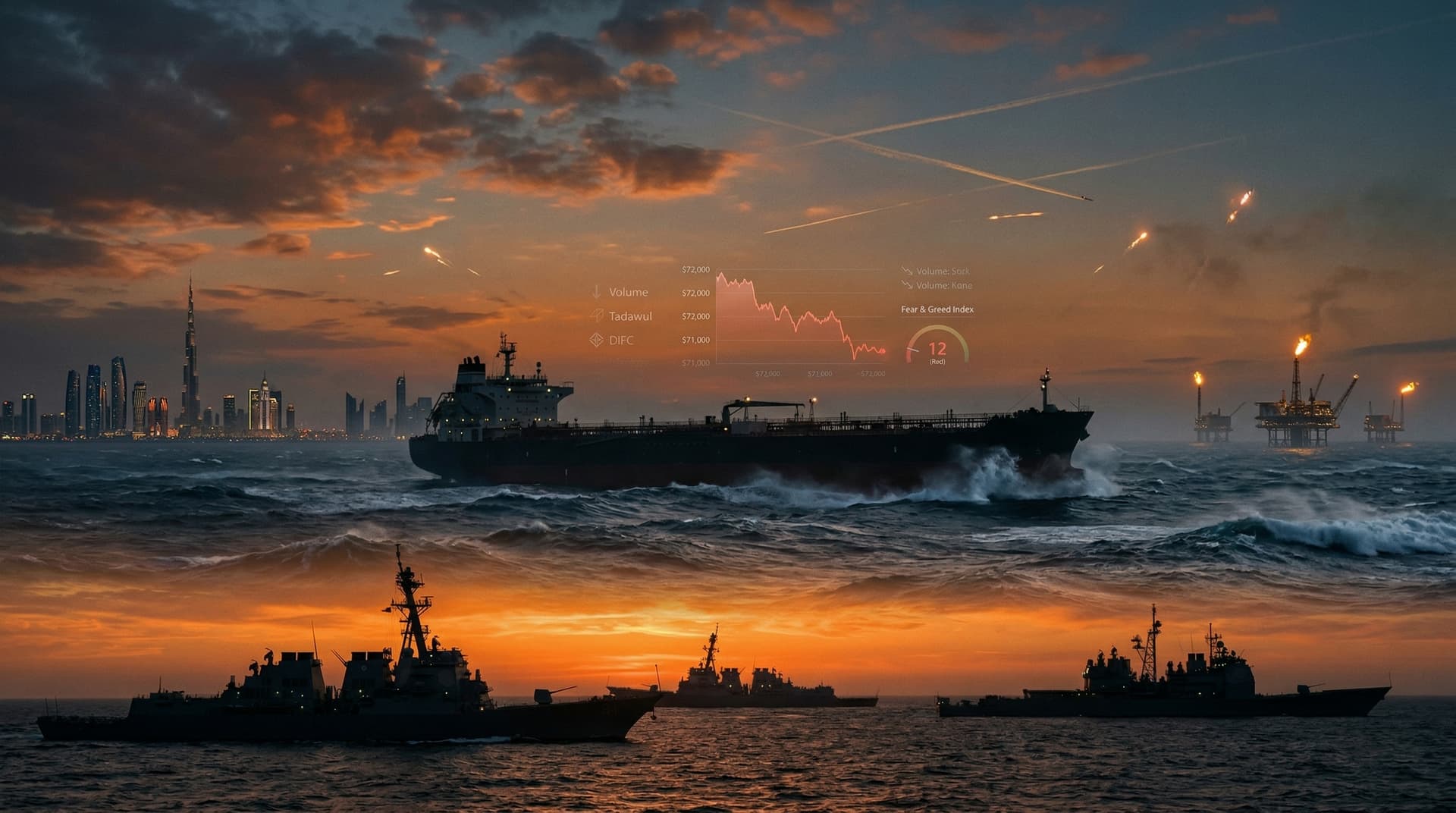
- Fear & Greed Index falls to 12, signaling extreme market fear.
- Ethereum declines 1.1% to $2,195, hitting Gulf fintech hard.
President Trump announced a Strait of Hormuz blockade on April 13, 2026. This Trump Hormuz blockade crypto selloff drove Bitcoin down 1% to $70,993. Ethereum dropped 1.1% to $2,195. Dubai and Riyadh traders monitor energy risks closely.
Bitcoin holds at $70,993 following the 1% plunge tied to Hormuz tensions. The Crypto Fear & Greed Index plunged to 12, per Alternative.me. Extreme fear levels squeeze Gulf fintech operations.
DIFC Traders Track Trump Hormuz Blockade Crypto Selloff Impacts
Traders in Dubai International Financial Centre (DIFC) watch markets closely. The Strait handles 20% of global oil flows, according to Reuters. Saudi Aramco shares fell 0.8% on Tadawul.
QatarEnergy holds emergency sessions. Dogecoin tumbled 2.5% to $0.12. XRP gained 0.2% to $1.33.
Zack Voell, Benzinga crypto reporter, highlights risk-off moves. "Hormuz risks push gold as safe haven ahead of Bitcoin," Voell states.
Crypto Fear & Greed Index Drops to Extreme 12 Level
The Crypto Fear & Greed Index hit 12, lowest since March 2025, via Alternative.me. Investors unwind high-risk bets in panic.
Gulf sovereign wealth funds manage $15 billion in crypto assets, Bloomberg reports. Saudi Public Investment Fund (PIF) faces $2 billion in unrealized losses.
Abu Dhabi Global Market (ADGM) fintech firms halt new token launches. Ethereum's decline ties to $450 million in DeFi liquidations, CoinGecko data shows.
Mubadala Investment Company keeps blockchain holdings in its $300 billion portfolio. Hormuz threats heighten volatility in Gulf finance markets.
Riyadh Fintech Volumes Plunge Amid Blockade Fears
Riyadh's 200 fintech startups see 15% drops in trading volumes. Dubai's VARA platforms record AED 50 million ($13.6 million) outflows.
BNB climbed 0.5% to $599.20, buoyed by Binance Gulf partnerships. Total crypto market cap lost $120 billion.
"Geopolitical events challenge crypto's independence from traditional markets," says Su Zhu, Three Arrows Capital co-founder. Gulf banks such as Mashreq test stablecoin options.
Sharia-compliant funds steer clear of volatile crypto positions. SAMA requires Riyadh banks to run stress tests.
Sovereign Wealth Funds Reposition Gulf Assets
Abu Dhabi Investment Authority (ADIA) cut risk assets 5% last quarter. Funds pivot to USD Treasuries at 4.2% yields.
Qatar Investment Authority (QIA) allocates $5 billion to blockchain stocks. A full blockade may push oil to $100 per barrel, Bloomberg analysts forecast.
Saudi Vision 2030 fintech targets face setbacks. NEOM pauses crypto payment pilots.
Traders eye USDT peg at $1.00. Tether's Gulf holdings ensure liquidity buffers.
Bitcoin Tests $70,000 Support on Hormuz Risks
Jamie Coutts, Real Vision chief crypto analyst, calls Hormuz crypto's breaking point. "$70,000 Bitcoin support crumbles under oil disruptions," Coutts warns.
Dubai Gold Souk volumes surged 10%. Finance experts buy gold ETFs.
Layer-2 Ethereum networks like Optimism record 50% transaction falls.
UAE and Qatar Adapt Energy Strategies to Blockade
Blockade projections double LNG prices. Qatar redirects 30% of shipments.
UAE crypto miners halt amid soaring power costs. Bitcoin hash rate dips 3%.
Abu Dhabi platforms including Sarwa face 20% withdrawals. Stablecoins enable fiat shifts.
PIF-backed projects review AI-energy plans. Saudi CMA examines fintech sandboxes for durability.
DIFC's DFSA tightens crypto exposure rules.
The Trump Hormuz blockade crypto selloff tests $72,000 Bitcoin levels. Gulf sovereign funds gear up for extended volatility until oil flows resume.