DUBAI, April 11, 2026 — Helium scarcity surges prices 120% year-to-date to USD 450 per thousand cubic feet. The shortage disrupts Gulf semiconductor supply chains and data center cooling systems. Wood Mackenzie cites Qatar's RasGas plant disruptions in its report released today.
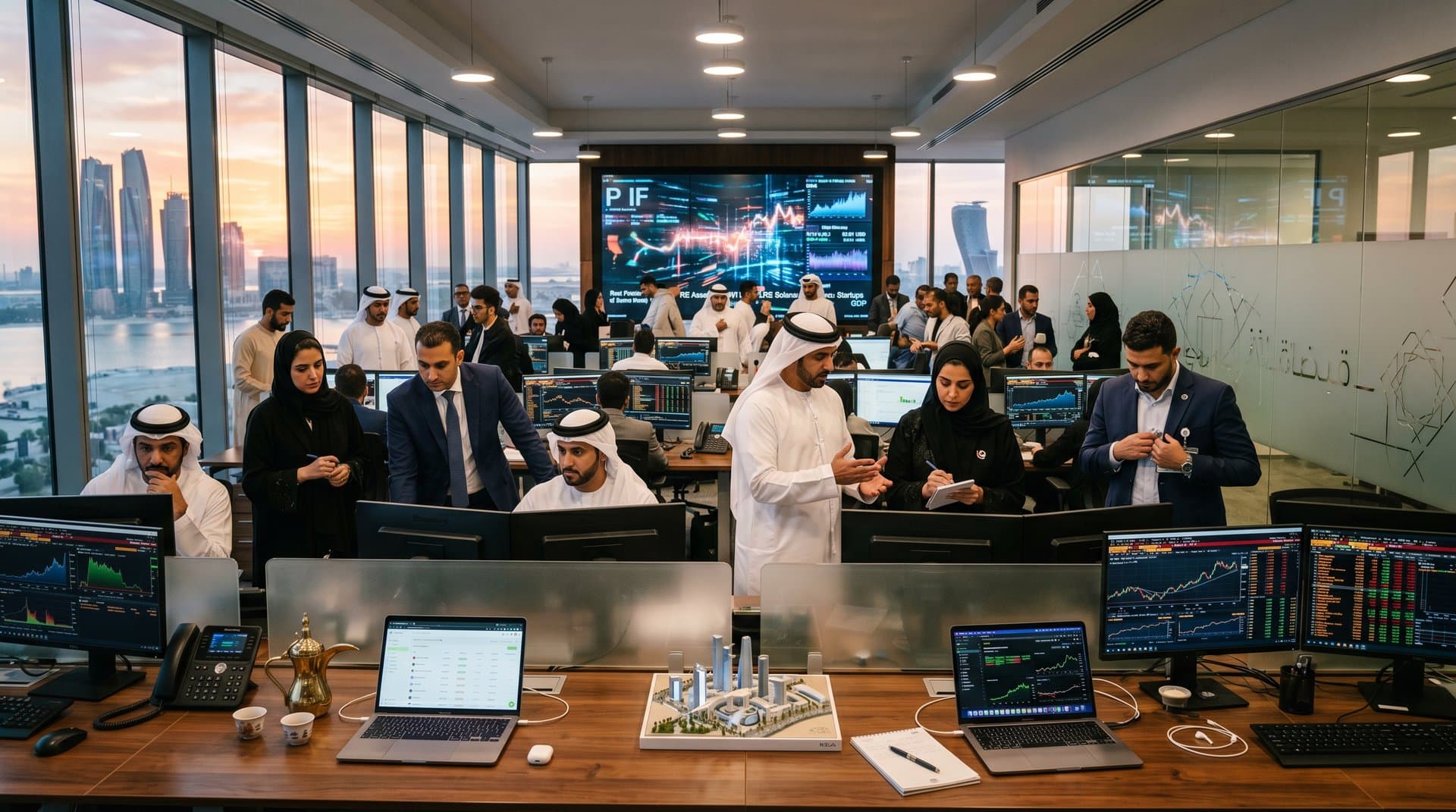
Gulf states chase semiconductor self-sufficiency to fuel AI and cloud computing growth. Saudi Arabia's Public Investment Fund (PIF) allocates USD 4.5 billion to Riyadh's King Abdulaziz City for Science and Technology semiconductor park. UAE's Mubadala Technology invests USD 2.8 billion in GlobalFoundries expansions at Abu Dhabi free zones.
Data Center Pressures Mount
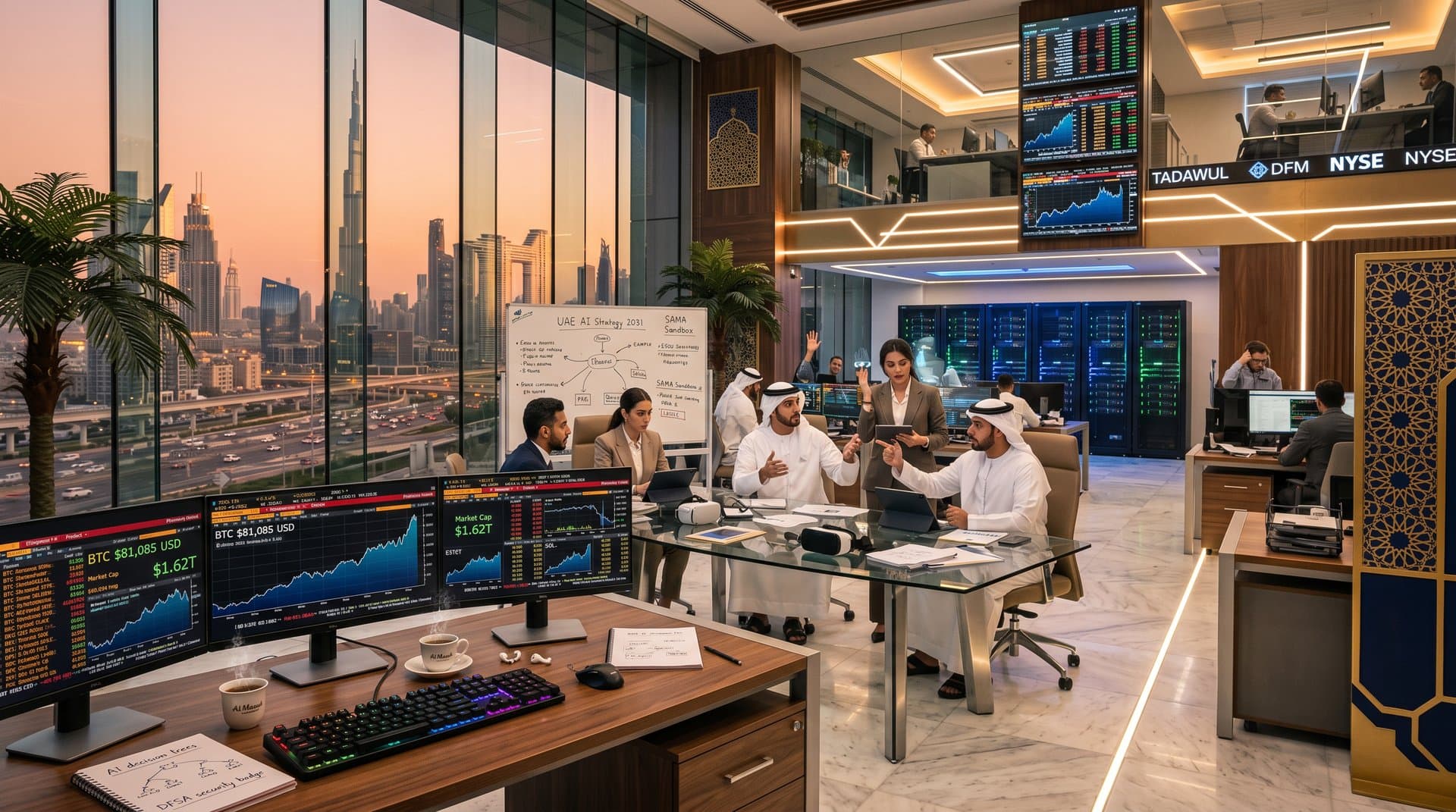
Data centers ramp up helium demand across the GCC. Etisalat constructs a USD 3 billion hyperscale facility in Dubai. The project relies on helium for cryogenic cooling in high-density GPU racks.
Google Cloud advances a USD 1.2 billion campus in Dammam, Saudi Arabia. Project manager Ahmed Al-Suwaidi confirmed supply bottlenecks in comments today.
AI Boom Drives Helium Demand
Semiconductor fabs consume 30% of global helium supply for plasma etching and lithography processes. TSMC's 3nm process requires 20% more helium per wafer than prior nodes, according to SEMI.org data released today.
Gulf fabs aim for 5% of global capacity by 2030. These facilities will support data centers training massive AI models and handling cloud workloads.
Qatar supplies 25% of world helium as a natural gas byproduct. Maintenance at the Ras Laffan plant persists until September 2026, slashing output by 15 million cubic meters monthly. Algeria's Sky Harbour field delays exports further, per a USGS bulletin today.
Gulf Projects Face Delays
PIF postpones the Riyadh semiconductor park opening to Q4 2026 from Q2. Construction manager Faisal Al-Rajhi cites USD 250 million in added costs. Occupancy targets drop to 65% from 85% by 2028.
Mubadala confronts 18-month delays in wafer production ramps. CEO Khaldoon Al-Mubarak noted helium contracts now cost 40% more. The fund's USD 50 billion tech portfolio suffers 2.5% AUM erosion from supply risks.
Financial Toll on Diversification
UAE semiconductor fabs imported USD 180 million in helium during Q1 2026, doubling from USD 75 million last year, per Dubai Customs records. Saudi NEOM halts USD 500 million in data center module imports at Jeddah port due to shortages.
Sovereign wealth funds pivot swiftly. PIF deploys USD 1.2 billion into US explorer Pulse Helium Inc., eyeing 10 million cubic feet daily production by 2028. Qatar Investment Authority (QIA) eyes a 15% stake in Russia's Gazprom helium assets valued at USD 800 million.
"Oversupply in Gulf data centers collides with helium scarcity, capping ROI at 8-10%," states Oxford Economics Gulf tech lead Omar Farooq. UAE data centers yield USD 45 per kW monthly. Saudi facilities reach USD 42. Qatar tops at USD 48.
| Country | Semi Fab Capacity (2026 est.) | Data Center Pipeline (USD B) | Helium Cost Impact (%) |
|---|---|---|---|
| Saudi Arabia | 150,000 wafers/month | 8.5 | 35 |
| UAE | 120,000 wafers/month | 5.2 | 28 |
| Qatar | 80,000 wafers/month | 3.1 | 22 |
Supply Chain Workarounds Emerge
Gulf firms achieve 95% helium recycling rates in fabrication plants. TSMC licenses advanced recovery technology to PIF partners. Each plant recaptures 1.2 million cubic feet daily, easing energy tech supply chains.
Dubai Silicon Oasis deploys USD 50 million in onsite purification units to boost efficiency.
Hydrogen partially substitutes in etching processes. Samsung tests H2-helium blends that reduce pure helium needs by 25%. The Gulf Hydrogen Alliance pilots these in Jubail for 2027 commercial scale-up.
US helium export restrictions on China redirect 20% of supply toward the GCC, per the State Department. Heightened Iran tensions inflate Qatar tanker insurance by 15% to USD 2.5 million per voyage.
Path Forward Amid Helium Scarcity
Qatar Petroleum schedules RasGas restart tests for July 15, 2026. PIF releases Q2 earnings on May 20 with detailed mitigation strategies. Mubadala publishes a comprehensive tech supply report on June 10.
Gulf operators must conquer helium scarcity to secure 25% of regional cloud market share by 2030. These efforts align with Vision 2030 and UAE Centennial 2071 diversification goals.
Fatima Hassan is business correspondent at Gulf N News, covering sovereign wealth funds and economic diversification.