By Tariq Al-Rashid, Senior Analyst Gulf N News, April 11, 2026
Kraken Fed account access, secured on April 11, 2026, integrates the crypto exchange directly into U.S. Federal Reserve payment rails like Fedwire. Gulf regulators assess amplified systemic risks from this U.S. financial linkage.
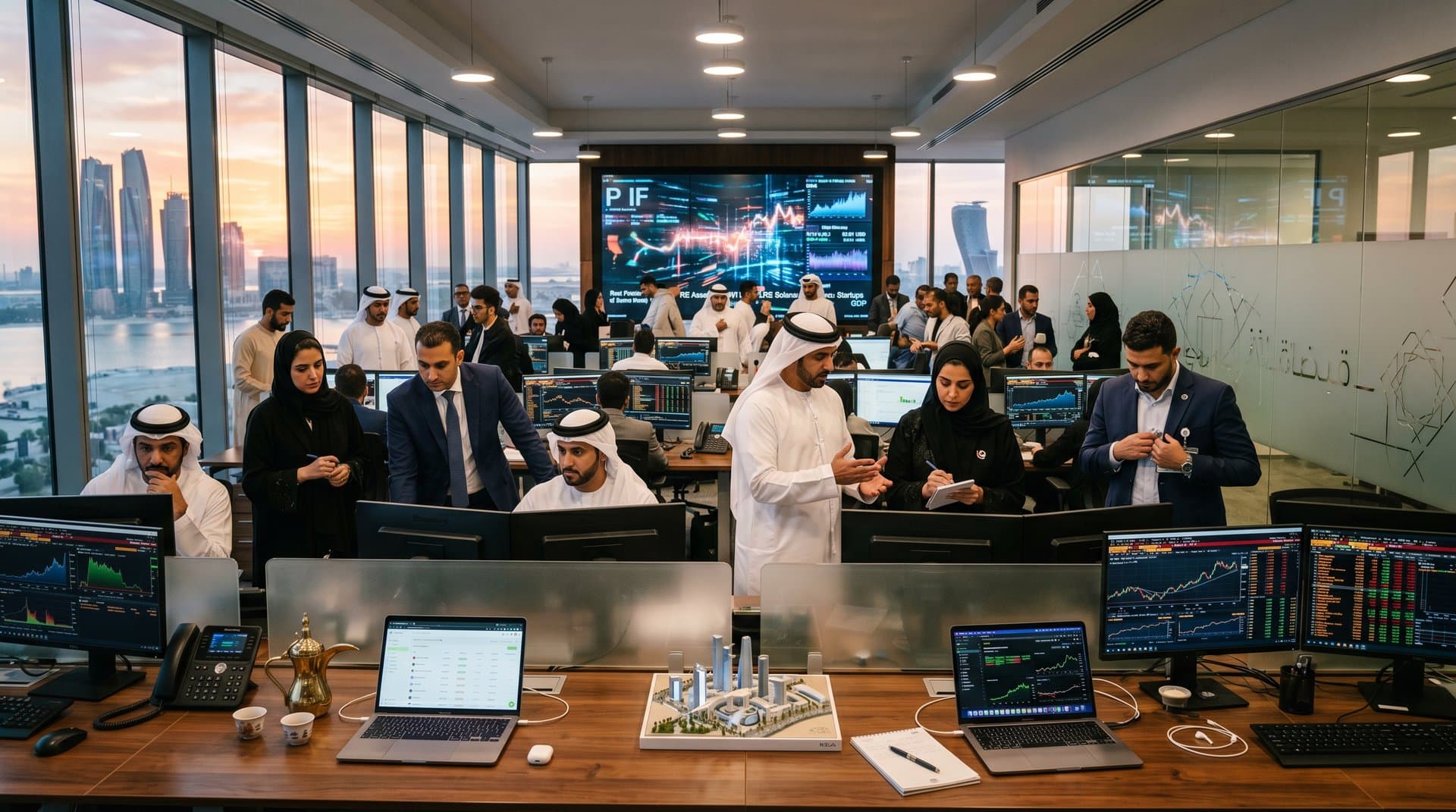
Dubai's VARA licensed Kraken within the DMCC free zone last year, enabling full trading services. Saudi Arabia's Public Investment Fund (PIF) pursues deeper crypto integrations via its fintech arms. Qatar Financial Centre (QFC) advances stablecoin pilots for cross-border payments.
Kraken Fed Account Shifts U.S.-Gulf Crypto Ties
The Federal Reserve grants Kraken master account status after rigorous audits of its AML, risk management, and capital frameworks. This access bypasses intermediary banks for direct settlements. Kraken handles over $10 billion USD in monthly trading volume, per its Q1 2026 filings.
GCC nations accelerate digital asset adoption under Vision 2030 initiatives. Dubai's VARA regulates more than 500 crypto firms, which generated $2.5 billion USD in annual licensing and transaction fees, according to VARA's 2025 annual report. Abu Dhabi's ADGM FSRA oversees crypto custodians through its specialized licensing regime.
QFC conducts stablecoin pilots targeting remittances from South Asia. Kraken's Fed account speeds these developments yet exposes the region to U.S. regulatory and policy shifts.
Sovereign Funds Face Crypto Exposure
Saudi PIF allocates $500 million USD to Bitcoin ETFs managed by BlackRock, Bloomberg reports. UAE's Mubadala invests $1.2 billion USD in blockchain ventures including ConsenSys and Chainlink. These positions comprise under 1% of their total assets under management but signal strategic diversification.
Kraken Fed account access heightens contagion risks across Gulf portfolios. U.S. enforcement actions or sanctions could immobilize linked assets. National Bank of Kuwait custodies $800 million USD in crypto collateral backing loans to regional fintechs.
Dubai-based firms like BitOasis and Rain integrate Kraken APIs for instant remittances. Riyadh's CMA sandbox tests Kraken payment rails for SAR-pegged stablecoins. Policymakers balance rapid innovation against financial stability imperatives.
Market Volatility Adds Pressure
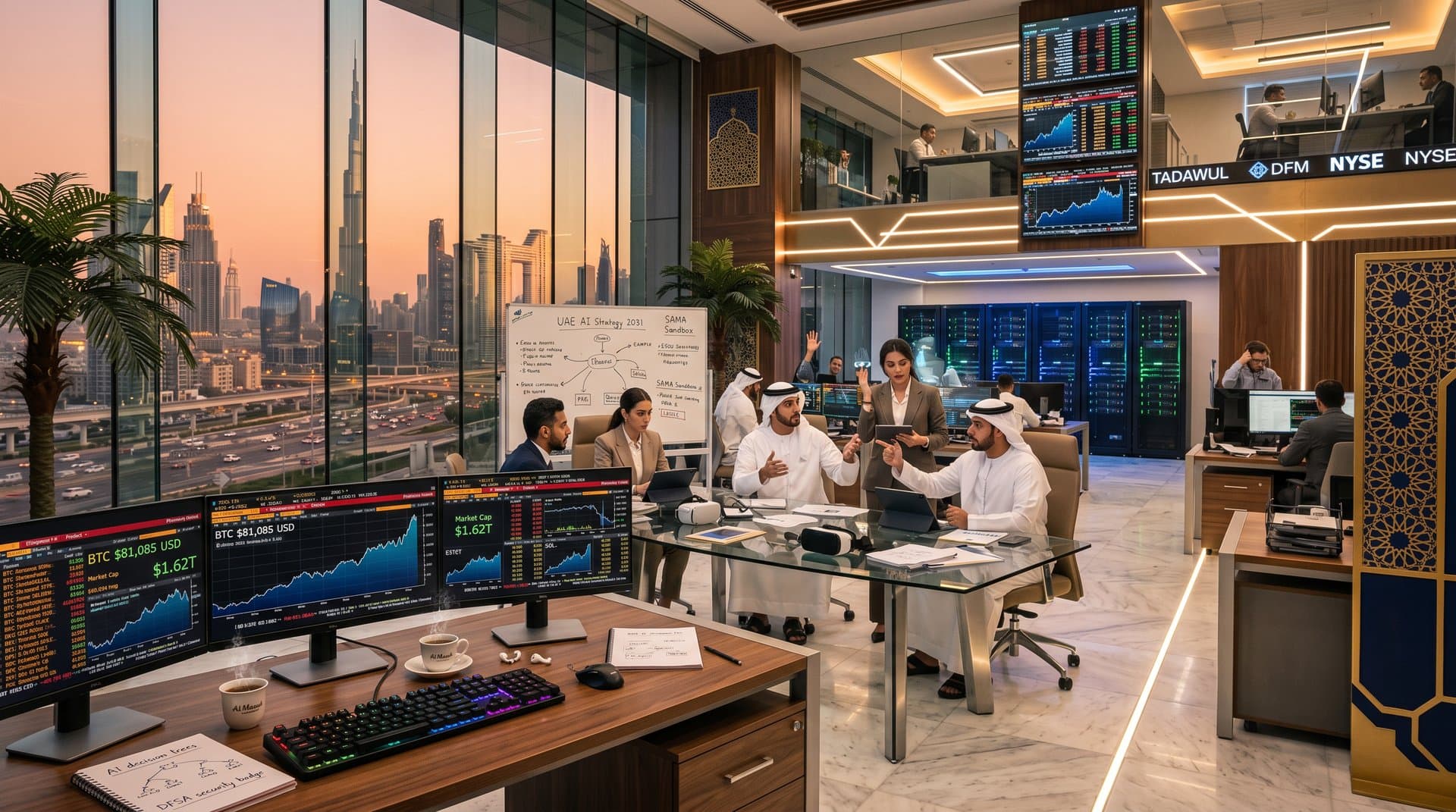
Bitcoin trades at $72,717 USD, up 0.3% today, CoinMarketCap data shows. Ethereum reaches $2,242.02 USD, gaining 0.7%. The Fear & Greed Index registers 15, indicating extreme fear, per Alternative.me.
GCC exchanges like Dubai's DFM track these movements amid thin regional liquidity. OPEC+ producers diversify reserves into crypto as Brent crude stabilizes at $82 USD per barrel. Sovereign wealth funds deploy hedges against oil price fluctuations.
Total crypto market capitalization hits $2.1 trillion USD, with Gulf-licensed platforms capturing 3% of institutional flows, Chainalysis estimates.
GCC Systemic Risks Escalate
Kraken Fed account access binds Gulf finance to U.S. monetary policy cycles. Federal Reserve rate hikes often spark crypto sell-offs, as seen in 2022's market rout. UAE banks recorded $3 billion USD in unrealized losses on digital assets in 2025, Central Bank of UAE disclosures reveal.
Central Bank of UAE (CBUAE) mandates comprehensive crypto stress tests under Circular 29/2023. Saudi Arabian Monetary Authority (SAMA) enforces parallel requirements via its 2025 prudential rules. Both regulators demand elevated capital buffers for crypto exposures exceeding 5% of balance sheets.
DIFC's DFSA consults on margin requirements for derivatives tied to U.S. exchanges.
Blockchain Powers Gulf Finance Tech
Kraken publishes proof-of-reserves exceeding 100% coverage, audited by Armanino. GCC institutions adopt similar transparency tools to align with Islamic finance principles of asset-backing and disclosure.
Dubai's XRP Ledger pilots tokenize $500 million USD in commercial real estate for fractional ownership. Saudi Aramco tests tokenized oil futures settled on Kraken-compatible rails. Qatar Airways integrates crypto payment gateways for ticket bookings.
These pilots require stringent risk controls to prevent liquidity mismatches.
GCC Regulators Act Swiftly
"External banking ties demand enhanced oversight to safeguard our markets," states Hussain Al Hammadi, VARA Director-General. ADGM launches consultations on stablecoin reserve requirements. Riyadh hosts the GCC Crypto Summit on April 20, 2026.
The summit tackles Fed-linked vulnerabilities. PIF executives, SAMA officials, and Federal Reserve observers participate. Expected outcomes include harmonized stress-testing protocols.
Qatar Investment Authority (QIA) forecasts 20% portfolio allocation to digital assets by 2030, prioritizing gold-backed tokens as volatility hedges.
Gulf Finance Outlook
Kraken Fed account access challenges GCC resilience amid U.S. 2026 elections and potential policy pivots. Central banks develop contingency plans and pursue direct dialogues with the Fed.
The April 20 summit will chart regulatory paths forward. GCC leaders champion technology-driven growth while prioritizing systemic safeguards.