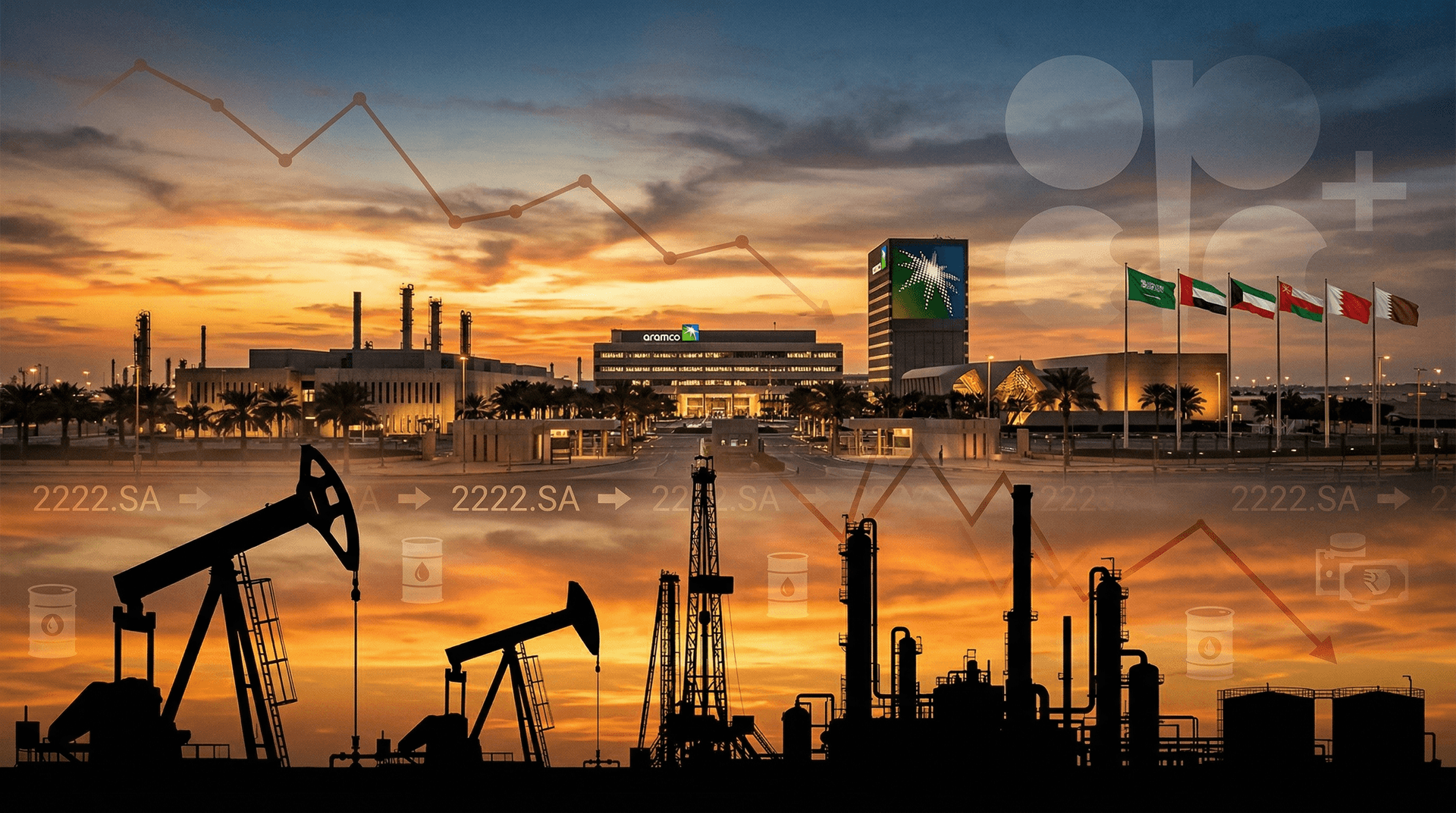
Dhahran, Saudi Arabia – November 17, 2024 – In a reflection of softening global oil markets, Saudi Aramco, the world's most valuable company, reported a 14% year-on-year decline in third-quarter net income, posting SAR 118.01 billion ($31.5 billion). This marks the second consecutive quarter of profit contraction for the oil behemoth, as average crude prices dipped and production volumes faced cuts under OPEC+ quotas.
The earnings, disclosed on November 5, highlight the precarious balance Gulf energy producers must strike between supply discipline and revenue pressures. Aramco's free cash flow stood at SAR 48.3 billion, down from SAR 65.4 billion a year earlier, yet the company maintained its robust dividend policy, declaring SAR 76.2 billion in total dividends for the quarter.
Key Financial Highlights
| Metric | Q3 2024 | Q3 2023 | Change |
|---|---|---|---|
| Net Income (SAR bn) | 118.01 | 137.54 | -14.1% |
| Revenue (SAR bn) | 414.8 | 464.8 | -10.7% |
| Crude Oil Price (Realized) | $77.04/bbl | $86.81/bbl | -11.2% |
| Production (mbpd) | 9.0 | 9.8 | -8.2% |
Aramco's realized crude oil price averaged $77.04 per barrel, a sharp drop from $86.81 last year, exacerbated by voluntary production cuts extended by Saudi Arabia through year-end. Refining and chemicals segments offered some respite, with downstream earnings rising 5% to SAR 8.7 billion, buoyed by higher crack spreads and utilization rates at 90%.
CEO Amin H. Nasser emphasized resilience: "Despite market headwinds, our integrated model and cost discipline delivered solid cash flows, supporting record dividends and strategic investments." Aramco's capital expenditures hit SAR 37.5 billion, focused on upstream expansion and gas projects aligned with Saudi Vision 2030.
Broader Gulf Context
Aramco's performance reverberates across the Gulf Cooperation Council (GCC), where hydrocarbons fund ambitious diversification drives. Saudi Arabia, the largest economy in the region, relies on Aramco for over 60% of government revenue. The profit dip comes as Riyadh pours billions into NEOM, Red Sea Project, and The Line megaprojects, necessitating sustained fiscal prudence.
Neighboring UAE's ADNOC reported similar pressures earlier, with Q3 profits down 5% despite record production. QatarEnergy and Kuwait Petroleum Corporation face analogous challenges, prompting a regional pivot toward petrochemicals, renewables, and LNG. Dubai's DP World and Abu Dhabi's Mubadala are accelerating non-oil investments, from AI hubs to sovereign wealth fund stakes in tech giants.
OPEC+ dynamics remain pivotal. On November 3, the cartel decided to unwind 220,000 bpd cuts starting December, signaling cautious optimism. Yet, Brent crude hovered around $70 per barrel mid-November, pressured by ample supply, Chinese demand slowdowns, and U.S. elections injecting uncertainty.
Dividend Strength and Shareholder Returns
Aramco's appeal endures for investors, with a base dividend of SAR 36.5 billion and performance-linked payouts totaling SAR 39.7 billion. The company has returned over SAR 359 billion to shareholders year-to-date, including SAR 109 billion in buybacks authorized earlier. Yielding over 6%, Aramco stock trades at a premium to peers, bolstered by its 12% global market share.
Analysts at Gulf-based Al Rajhi Capital note: "Aramco's fortress balance sheet—net debt to equity at 5%—positions it to weather volatility better than Western supermajors." Shares dipped 1.5% post-earnings but recovered, trading at SAR 26.50 on Tadawul.
Strategic Shifts and Future Outlook
Amid earnings softness, Aramco advances Vision 2030 synergies. The $69 billion acquisition of a 49% stake in SABIC's petrochemical arm enhances downstream margins. Gas expansion, targeting 50% more capacity by 2030, reduces flaring and supports domestic power needs.
Sustainability efforts intensify: Aramco pledged net-zero Scope 1&2 emissions by 2050, investing $1.5 billion annually in CCUS and blue hydrogen. Partnerships with UAE's Masdar for green ammonia and Qatar's North Field East LNG underscore Gulf-wide energy transition collaboration.
Looking ahead, Q4 guidance tempers expectations. Aramco forecasts stable production at 9 million bpd, with upside from partial cut reversals. Consensus estimates peg full-year profits at SAR 470 billion, down 12% YoY. Risks include geopolitical flares in the Middle East, U.S. shale resurgence, and EV adoption curbing long-term demand.
Implications for Gulf Business Landscape
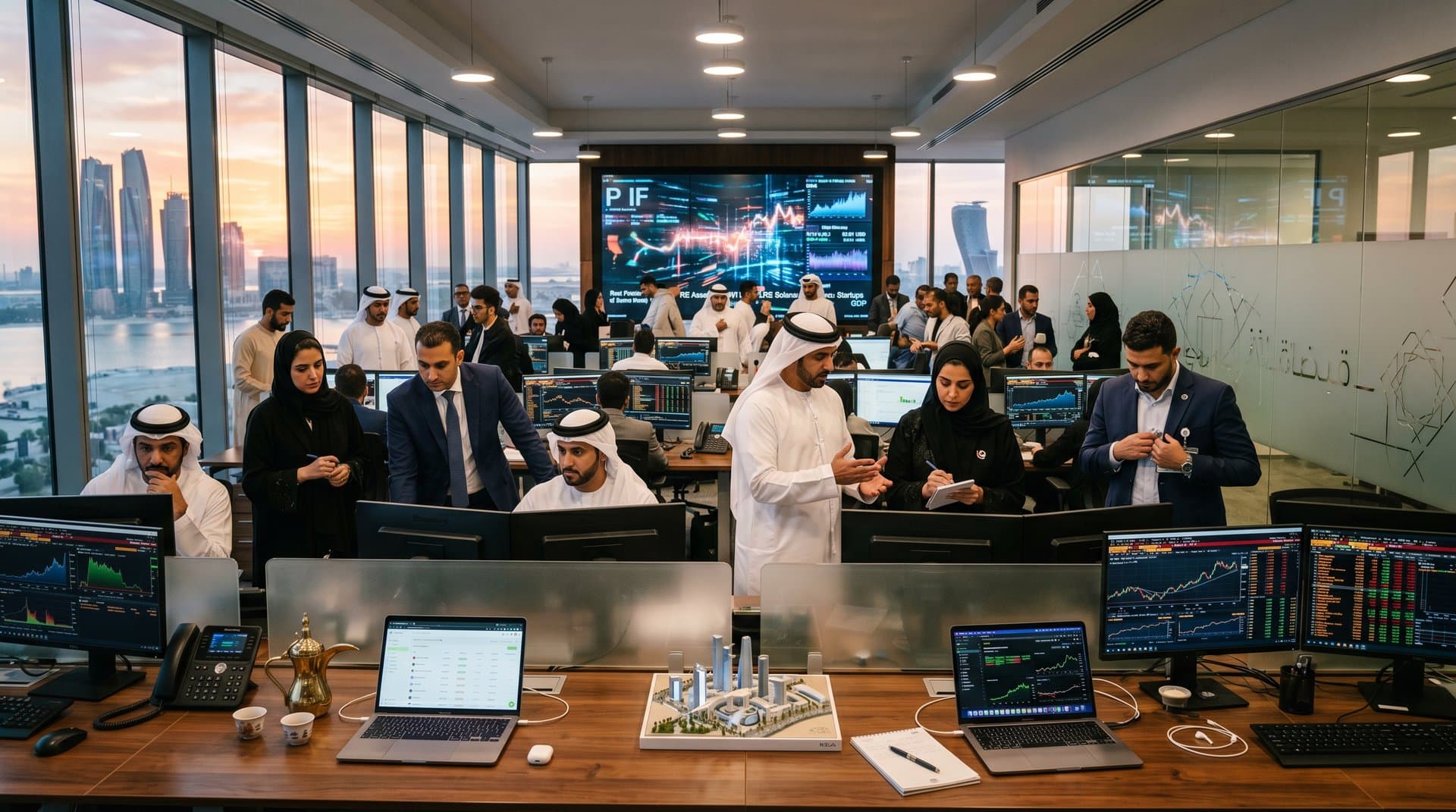
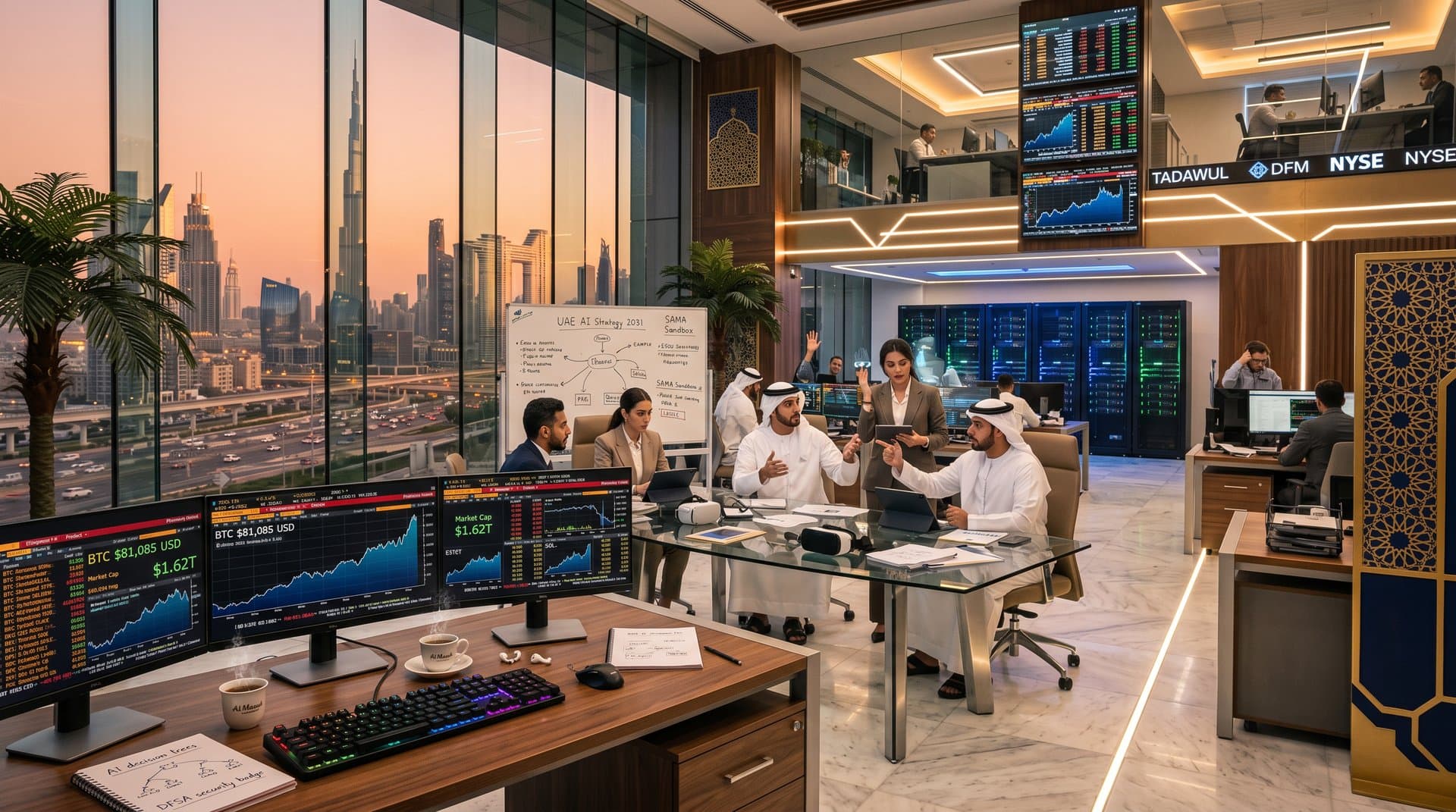
For Gulf investors and policymakers, Aramco's results signal a new normal: lower-for-longer oil prices demanding accelerated diversification. Saudi PIF's $40 billion tech investments and UAE's $100 billion+ in AI by 2031 exemplify this shift. Fintech booms in Bahrain's hub and Dubai's VARA-regulated crypto scene provide buffers.
Regional stock indices like Tadawul and ADX showed resilience, up 2-3% YTD, driven by banking and real estate. Yet, fiscal breakevens—Saudi Arabia at $80/bbl—loom large if oil lingers below $75.
As Gulf nations host COP29 sidelines and ADIPEC 2024 wrapped major deals, energy majors like Aramco pivot from volume to value. This Q3 snapshot, while sobering, reaffirms Aramco's role as the Gulf's economic anchor, navigating volatility with dividends, discipline, and diversification.
Gulf N News is tracking GCC energy markets and Vision 2030 progress. Stay tuned for Aramco's full-year outlook.
(Word count: 912)